- 880
- 0

Luxury Car Features That Actually Separate Exceptional Vehicles From Ordinary Ones
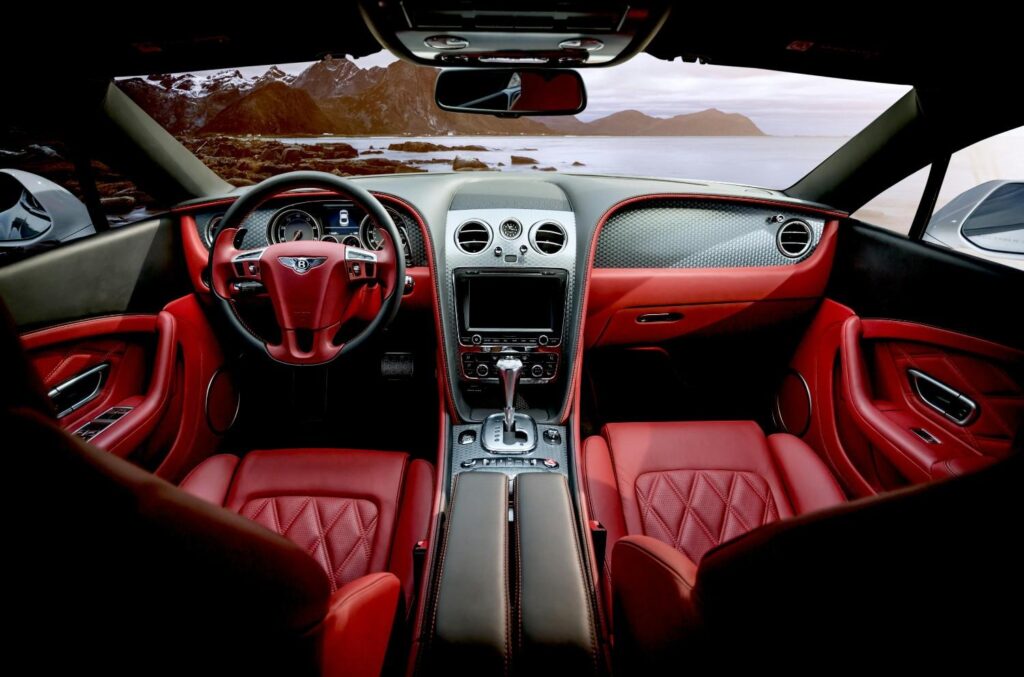
Luxury in a vehicle has never been just about a badge or a higher price tag. The best luxury car features are engineered to change how a car feels, sounds, responds, and protects you every time you get behind the wheel. From acoustic glass that quiets the cabin at highway speeds to adaptive suspension systems that constantly adjust to the road beneath you, true luxury is built into the vehicle’s DNA.
At World Auto Body, we see these systems from a perspective most drivers never do. As a San Diego collision repair center certified by Nissan, Kia, Volvo, Infiniti, Genesis, and Hyundai, and backed by I-CAR Gold Class training, we repair the exact luxury vehicles discussed in this article. That means we see how advanced driver assistance systems are integrated behind bumpers, how digital cockpits connect to safety modules, and why restoring these vehicles correctly requires far more than cosmetic repairs.
For drivers researching what makes a car luxury, comparing premium brands, or simply wanting to understand what separates a genuinely refined vehicle from a standard one, these are the features that matter most.
What Are the Key Features of a Luxury Car?
- Heated and ventilated comfort-focused seating
- Adaptive suspension for refined ride quality
- Acoustic glass for reduced cabin noise
- Advanced driver assistance safety systems
- Premium sound systems with cabin tuning
- Fully digital cockpit and HUD integration
- Ambient lighting with personalized settings
- High-quality materials and precision craftsmanship
What Actually Makes a Car a Luxury Vehicle?

A true luxury vehicle is designed around refinement, precision, and driver experience at every level. Leather upholstery and a panoramic sunroof alone do not make a car luxury. What separates a luxury sedan or luxury SUV from a standard vehicle is the engineering philosophy behind every system.
Luxury vehicle features are built to reduce stress, increase comfort, improve safety, and create a more connected driving experience. That includes:
- Sophisticated suspension tuning that isolates road imperfections
- Acoustic engineering that minimizes cabin noise
- High-end materials that feel substantial and durable
- Advanced driver assistance systems integrated seamlessly into daily driving
- Digital interfaces designed around the driver, not just technology for technology’s sake
- Precision manufacturing with tighter tolerances and better long-term refinement
When we repair Volvo, Infiniti, Genesis, Hyundai, Nissan, and Kia vehicles at our facility, we can immediately see the difference in engineering density. Luxury vehicles often contain more sensors, more structural reinforcement, more sound insulation, and more interconnected technology than standard vehicles.
Modern luxury also extends beyond traditional European brands. Genesis, Volvo, and Infiniti in particular have elevated the luxury segment by offering exceptional ride quality, premium interior materials, and advanced safety technology without the pricing structure many drivers traditionally associated with high-end cars.
Premium vs. Luxury
The difference becomes obvious once you spend time around both. A premium vehicle typically adds upgraded materials, larger screens, or extra comfort features to a mass-market platform. A true luxury vehicle is engineered differently from the ground up.
Luxury cars prioritize refinement in areas many drivers never consciously notice until they experience them: quieter cabins, smoother power delivery, better seat ergonomics, more advanced suspension tuning, and seamless technology integration. Vehicles from Genesis, Volvo, and Infiniti, for example, are designed around ride quality, occupant comfort, and advanced safety systems rather than simply adding cosmetic upgrades to a standard model.
Interior Luxury Features That Define the Experience
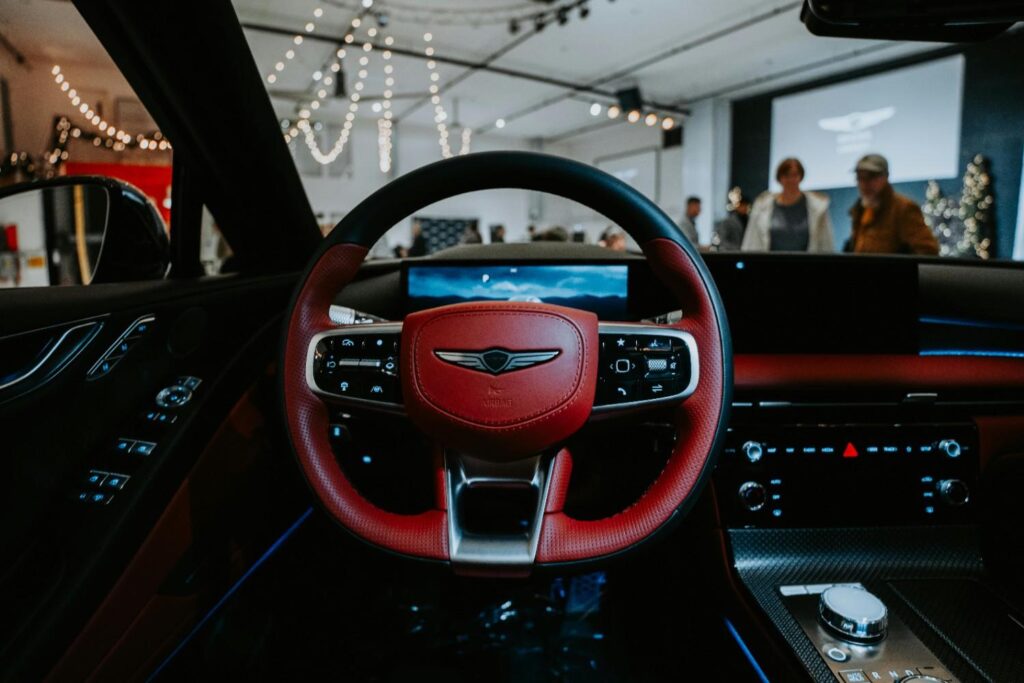
Luxury car interior features are where drivers feel the difference most immediately. The best systems are not simply impressive during a test drive, they improve comfort and reduce fatigue every day.
Seating: Heated, Ventilated, and Massaging
There is a major difference between basic heated seats and a genuinely engineered luxury seating system. High-end car features often include multi-zone seat heating, ventilation channels that circulate cooled air through perforated leather, adjustable bolsters, memory positioning, and multi-point massage functions.
Brands like Genesis and Infiniti have invested heavily in seat ergonomics because long-distance comfort is a defining part of the luxury experience. Properly designed massaging seats improve circulation and reduce fatigue on extended drives, while ventilated seating becomes especially valuable in warm climates like San Diego. In many luxury vehicles, the seats are also tied directly into driver memory profiles that automatically adjust climate settings, steering wheel position, and mirror placement.
Premium Sound Systems
A true premium sound system is engineered specifically for the cabin it lives in. Systems from Bose and Harman Kardon are tuned around speaker placement, cabin acoustics, material reflections, and seating positions rather than simply increasing speaker count.
Luxury car technology features often include active noise compensation, subwoofer integration beneath seats, and digital signal processing that creates a more immersive soundstage. Volvo’s premium audio systems, for example, are known for remarkably balanced cabin acoustics that remain clear even at highway speeds.
Ambient Lighting and Cabin Atmosphere
Ambient interior lighting does far more than add color to the cabin. In well-designed luxury vehicles, multi-zone lighting subtly changes how the interior feels at night, reducing eye strain and creating a calmer driving environment.
Genesis and Volvo both implement ambient lighting particularly well because the systems are integrated thoughtfully into the dashboard, doors, and center console rather than appearing overly flashy. Adjustable brightness and color settings also allow drivers to personalize the atmosphere without becoming distracting.
Soft-Close Doors and Acoustic Glass
Soft-close doors are one of those premium car features that immediately signal thoughtful engineering. Electric latching mechanisms gently pull the door fully shut once it reaches the latch point, eliminating the need to slam the door.
Acoustic or laminated glass is equally important. Luxury vehicles use specialized layered glass to reduce wind noise, road noise, and vibration transfer into the cabin. Combined with additional insulation and structural damping materials, this creates the quiet, refined ride quality drivers associate with luxury sedans and SUVs.
Digital Cockpits and Infotainment
Modern luxury car technology features increasingly revolve around digital environments. Fully digital instrument clusters, large integrated touchscreens, heads-up displays, and customizable driver interfaces have transformed the dashboard from a collection of gauges into a connected information system.
The best implementations feel intuitive rather than overwhelming. Genesis and Volvo have been particularly effective at balancing touchscreen functionality with physical controls where they still matter most. A well-designed digital cockpit allows drivers to access navigation, driver assistance settings, media, and vehicle diagnostics without distraction.
Heads-up displays also play a growing role in luxury driving by projecting speed, navigation directions, and safety alerts directly into the driver’s field of view.
Advanced Driver Assistance and Safety Technology
Modern luxury vehicles are defined as much by their safety systems as their comfort features. In many cases, the most advanced engineering in a luxury vehicle is invisible until it actively prevents a collision or reduces driver fatigue.
Driver assistance features rely on networks of cameras, radar sensors, ultrasonic sensors, steering inputs, braking systems, and onboard computing modules working together continuously.
Some of the most important luxury vehicle features include:
- Adaptive cruise control with stop-and-go: Maintains distance from traffic ahead and can automatically slow or stop in congestion.
- Lane keeping assist and lane centering: Uses cameras and steering input to help the vehicle remain centered within lane markings.
- Blind spot monitoring: Detects vehicles outside the driver’s field of view and provides visual or audible warnings.
- Rear cross-traffic alert: Warns drivers of approaching vehicles while reversing from parking spaces.
- Forward collision warning with automatic emergency braking: Detects potential frontal collisions and can apply braking force automatically.
- 360-degree surround view systems: Combines multiple camera feeds into a bird’s-eye view around the vehicle.
- Driver attention monitoring: Tracks steering behavior and driving patterns to identify signs of fatigue or distraction.
- Parking assist systems: Some luxury SUVs and sedans can steer themselves into parking spaces with minimal driver input.
Volvo has become particularly respected for its approach to safety integration, while Genesis and Infiniti have expanded advanced driver assistance systems rapidly across their luxury lineups.
What many drivers do not realize is that these systems depend on precise calibration. Even relatively minor collision damage can alter sensor alignment, radar positioning, or camera angles enough to affect system performance.
Why ADAS Systems Must Be Professionally Recalibrated After a Collision
Advanced driver assistance systems rely on exact measurements and alignment tolerances. If a bumper, windshield, side mirror, suspension component, or structural mounting point shifts during a collision, cameras and radar sensors may no longer interpret distances accurately.
That is why proper recalibration matters so much after repairs. At World Auto Body, our I-CAR Gold Class training and manufacturer certifications for Nissan, Kia, Volvo, Infiniti, Genesis, and Hyundai allow us to follow brand-specific calibration procedures many general repair shops simply are not equipped to perform correctly. Restoring these systems is not just about convenience, it is directly tied to vehicle safety.
The best luxury car features are not limited to comfort or technology. Much of what makes a luxury vehicle feel special happens while the car is moving.
Luxury vehicles are engineered to feel composed, predictable, and smooth under acceleration, braking, and cornering. The goal is confidence without harshness.
What Is Adaptive Suspension and Why Does It Matter?
Adaptive suspension systems continuously adjust damping stiffness based on road conditions, speed, steering input, and driving mode. Sensors monitor vehicle movement in real time while electronically controlled dampers respond instantly.
The result is a smoother ride during daily commuting and tighter body control during spirited driving. Luxury SUVs and sedans with adaptive suspension feel more composed because the vehicle constantly balances comfort and handling rather than relying on a fixed suspension setting.
Air suspension systems take refinement even further. Instead of traditional steel springs alone, these systems use air chambers that automatically adjust ride height and damping characteristics.
Luxury SUVs from Genesis and high-end sedans across the market use air suspension to maintain a level ride regardless of cargo weight or road conditions. Drivers experience smoother highway cruising, reduced vibration, and better isolation from rough pavement.
Another defining characteristic is NVH engineering, short for noise, vibration, and harshness control. Luxury manufacturers spend enormous amounts of time reducing unwanted sound frequencies, steering vibration, road harshness, and cabin resonance.
That refinement extends into power delivery as well. Luxury engines and transmissions are tuned for smooth, linear acceleration without abrupt shifting or hesitation. Even powerful vehicles are designed to deliver performance effortlessly rather than aggressively.
All-wheel drive systems in luxury vehicles are also calibrated differently. Instead of simply maximizing traction, many luxury AWD systems prioritize stability, smoother torque distribution, and predictable handling in varying weather conditions.
Exterior Features That Signal Luxury
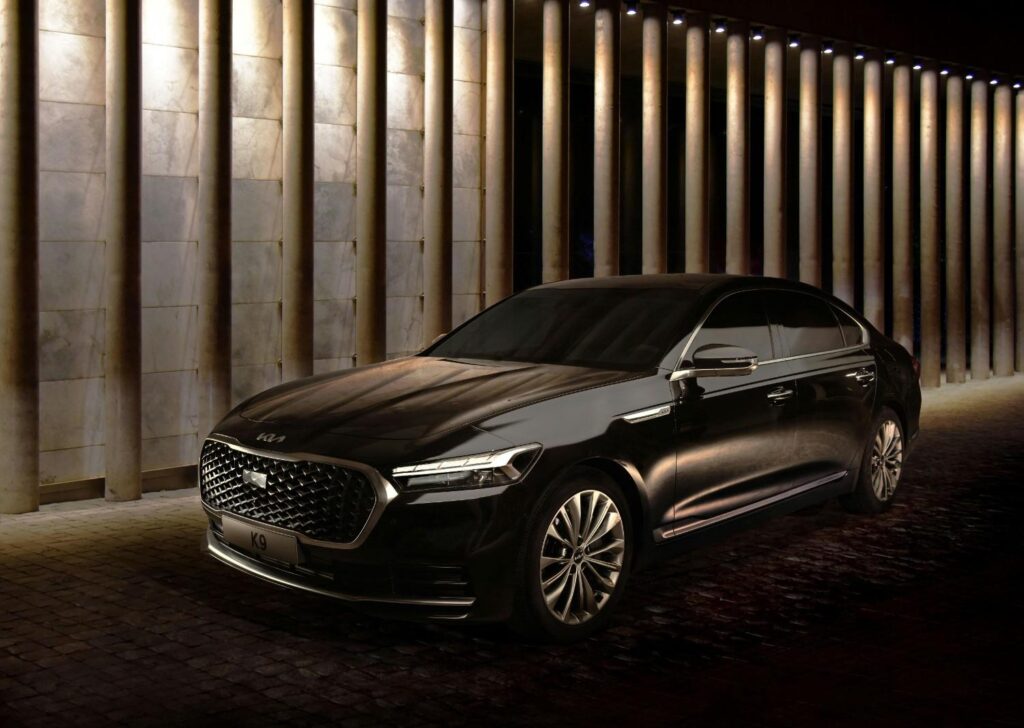
Some luxury car features are immediately visible before you ever open the door.
Luxury vehicle design is often defined by precision, proportion, and subtle engineering details rather than excessive styling. Many of the best exterior features blend convenience with craftsmanship.
Power-retractable side mirrors, for example, do more than fold inward automatically. In many luxury vehicles, they integrate heating elements, blind spot monitoring sensors, memory positioning, and puddle lighting.
Panoramic sunroofs and dual-pane moonroofs dramatically change cabin openness by extending natural light deeper into the interior. Luxury SUVs especially benefit from panoramic roof systems because they make larger cabins feel even more spacious.
Hands-free tailgates are another increasingly common must-have luxury car feature. Motion sensors allow the rear hatch to open automatically when the driver approaches with the key nearby, improving convenience during daily use.
Lighting technology has also evolved dramatically. LED matrix headlights and laser-assisted systems can adapt beam patterns dynamically around other traffic while maintaining maximum visibility. Volvo in particular has become known for distinctive lighting signatures that combine safety and elegant design.
Flush-mounted door handles, frameless windows, sculpted body lines, and premium wheel designs further separate luxury vehicles from ordinary models. These details are rarely accidental, they are carefully engineered for aerodynamics, visual refinement, and tactile quality.
Convenience and Connectivity Features
Luxury ownership increasingly revolves around seamless connectivity. The best systems disappear into everyday life instead of feeling complicated.
Wireless charging pads, digital key technology, remote start systems, and phone-as-key functionality now allow drivers to interact with their vehicles more naturally than ever before.
Genesis and Hyundai luxury features have become especially competitive in this area, offering intuitive smartphone integration, customizable driver profiles, and remote vehicle management through connected apps.
Heads-up displays continue to grow in importance because they reduce the need for drivers to look away from the road. Navigation prompts, speed data, safety alerts, and adaptive cruise information appear directly in the driver’s line of sight.
Over-the-air software updates are another increasingly valuable luxury vehicle feature. Instead of visiting a dealership for every software improvement, certain systems can now receive updates remotely.
Multi-zone climate control systems also distinguish luxury interiors from standard vehicles. Independent temperature zones for front and rear passengers allow personalized comfort throughout the cabin.
Rear-seat entertainment systems, powered rear sunshades, NFC digital key access, and advanced voice controls further contribute to the effortless ownership experience luxury buyers expect.
Infiniti and Volvo both stand out for creating technology interfaces that feel clean and intuitive rather than overloaded with menus and distractions.
Expert Perspective: What We See When Luxury Cars Come Into Our Shop
When a Volvo XC90 or a Genesis G80 comes into our facility, the first thing that strikes you is the engineering density packed into every inch of the vehicle. Modern luxury cars contain far more integrated technology than most drivers realize.
A front bumper on a luxury SUV may contain radar modules for adaptive cruise control, parking sensors, forward collision systems, camera mounts, wiring harnesses, and structural energy-management components all working together. Even a relatively small repair often involves systems calibration, software procedures, and precision measurements beyond traditional body repair.
We also see the difference in material quality immediately. Luxury paint finishes require exact computerized paint matching because metallic depth, pearl layering, and color variation are far more complex than standard finishes. Structural repairs demand equally precise alignment because even minor deviations can affect how advanced driver assistance systems interpret the road.
That is why manufacturer certification matters so much. Our certifications allow us to follow repair procedures developed directly by the brands themselves. Combined with I-CAR Gold Class training, that allows us to repair luxury vehicles according to modern structural and safety standards, not guesswork.
Luxury cars are engineered differently, and they need to be repaired with the same level of precision that went into building them.
Frequently Asked Questions
What are the most important luxury car features to look for?
The most important luxury car features combine comfort, safety, and refinement. Heated and ventilated seats, adaptive suspension, acoustic glass, advanced driver assistance systems, premium sound systems, and intuitive digital cockpits all significantly improve daily driving. The best luxury vehicles integrate these systems seamlessly rather than adding them as isolated features.
What is the difference between a luxury car and a premium car?
A premium car usually adds upgraded materials or extra features to a mainstream platform. A true luxury vehicle is engineered differently from the ground up, with greater focus on ride quality, noise reduction, technology integration, safety systems, and long-term refinement. Luxury engineering extends beyond appearance alone.
Do luxury cars have better safety features?
In many cases, yes. Luxury vehicles often receive advanced driver assistance technology earlier than mainstream vehicles. Features like adaptive cruise control, lane centering, surround-view cameras, driver monitoring, and automatic emergency braking are usually more sophisticated and more fully integrated in luxury models.
What makes a car interior feel luxurious?
A luxurious interior is defined by material quality, comfort engineering, quietness, ergonomic design, and thoughtful technology integration. Multi-layer sound insulation, supportive seating, ambient lighting, premium materials, and intuitive digital controls all contribute to a more refined cabin experience.
Are Hyundai, Genesis, and Kia considered luxury cars?
Genesis is widely recognized as a true luxury brand, especially with vehicles like the G80 and GV80. Hyundai and Kia also offer many high-end car features in upper trims, including advanced safety systems, premium interiors, panoramic sunroofs, and sophisticated digital technology.
What is a heads-up display in a luxury car?
A heads-up display, or HUD, projects information like speed, navigation directions, and safety alerts onto the windshield within the driver’s line of sight. This allows drivers to access important information without constantly looking down at the instrument cluster.
How do adaptive suspension systems work?
Adaptive suspension systems use sensors and electronically controlled dampers to continuously adjust ride stiffness in real time. The system reacts to road conditions, steering input, and speed to balance comfort with handling performance automatically.
Can a body shop repair luxury car technology features like cameras and sensors?
Yes — but only if the shop has the proper equipment, training, and manufacturer procedures. Advanced driver assistance systems require precise calibration after many repairs. At World Auto Body, our I-CAR Gold Class training and manufacturer certifications allow us to properly restore and recalibrate these systems on Nissan, Kia, Volvo, Infiniti, Genesis, and Hyundai vehicles.
Conclusion
Luxury car features are ultimately about far more than appearance. The best luxury vehicles combine advanced safety technology, acoustic refinement, precision engineering, comfort-focused interiors, and intelligent digital integration into one cohesive driving experience.
Understanding what makes a car luxury helps drivers make smarter decisions whether they are shopping for a new vehicle, comparing brands, or evaluating repairs after a collision. Features like adaptive suspension, advanced driver assistance systems, acoustic glass, and digital cockpits all require specialized knowledge to restore correctly when damage occurs.
At World Auto Body, we work on these systems every day. Our manufacturer certifications from Nissan, Kia, Volvo, Infiniti, Genesis, and Hyundai combined with I-CAR Gold Class training allow us to repair luxury vehicles according to the standards their engineering demands.If your luxury vehicle needs expert collision repair in San Diego, don’t hesitate to reach one of the World Auto Body locations in San Diego.

 How to Repair Rust on a Truck: Complete Rust Repair Guide
- August 23, 2026
 How Much Does Truck Frame Repair Cost?
- August 22, 2026


LEAVE A COMMENT