- June 10, 2026
- By WAB_DEV2
- In Blog
- Tags world auto body
- 2205
- 0

After a collision, one of the first questions drivers ask is whether the vehicle is repairable or if it has been totaled. The answer is rarely as simple as the visible damage suggests. A bumper may look destroyed while the vehicle remains fully repairable, while what appears to be a minor impact can sometimes hide significant structural or safety-related damage.
The key is understanding how repairable collision damage is evaluated. Factors such as the location of the damage, the condition of the frame, the vehicle’s value, repair costs, and manufacturer repair requirements all play a role in determining whether a vehicle can be safely restored.
At World Auto Body, we perform a detailed collision damage assessment before making any repair recommendations. Our process goes beyond a visual inspection to identify hidden damage, structural concerns, and modern vehicle technology issues that may affect repairability. Because we follow OEM repair procedures and manufacturer standards, our assessments focus on restoring vehicles safely rather than simply making them look repaired.
In this guide, we’ll explain what makes collision damage repairable, how repair decisions are made, what role insurance plays, and why choosing a certified collision repair center can make a significant difference in the outcome of your repair.
A repairable collision is an accident in which the vehicle can be safely restored to its pre-accident condition using approved repair procedures, replacement parts, and structural repair methods. A vehicle is generally considered repairable when the damage does not exceed its value, compromise its ability to be safely restored, or violate manufacturer repair standards.
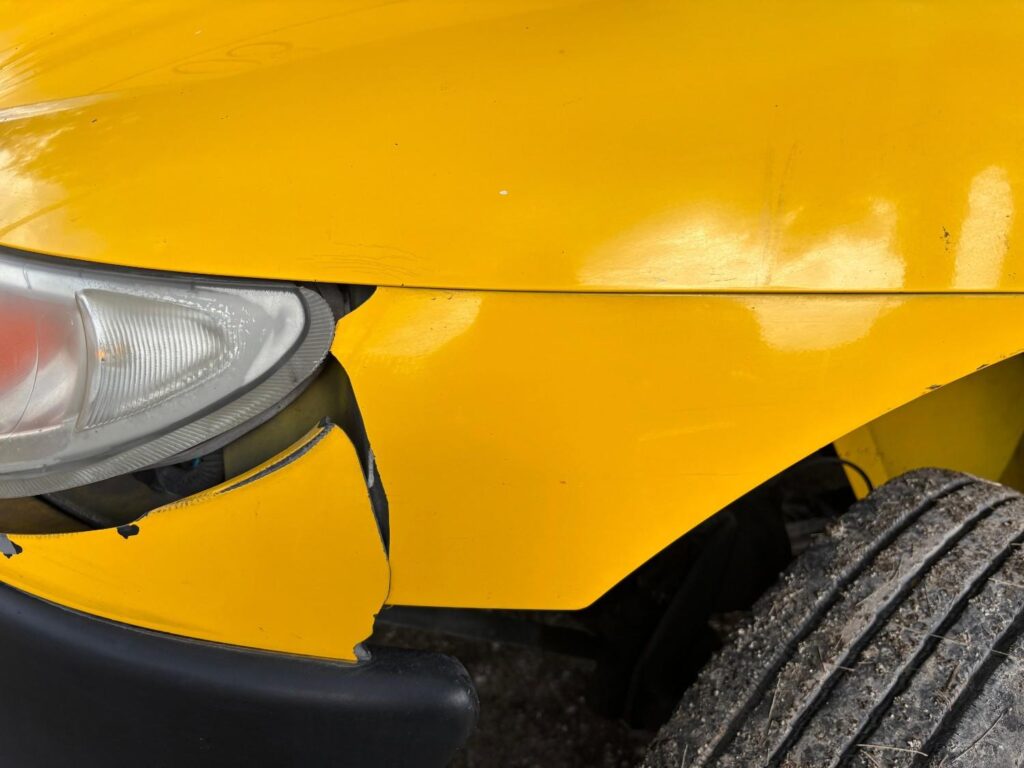
In many cases, vehicles with significant-looking damage are still repairable. Modern collision repair techniques can address everything from repairable bumper damage and repairable fender damage to certain types of repairable frame damage and structural repairs.
A vehicle may be declared a total loss when:
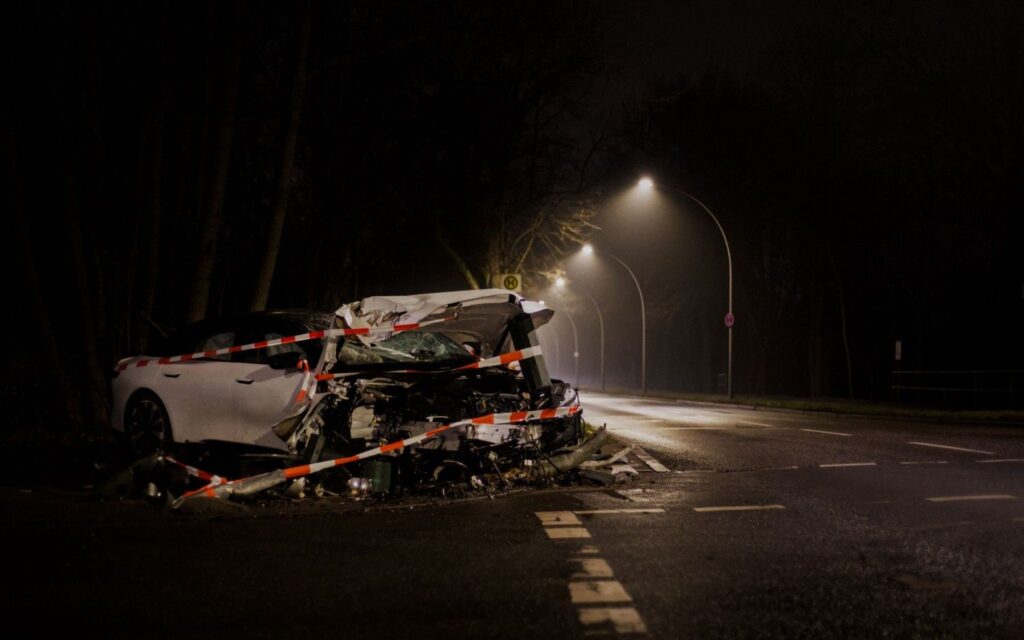
Not all accident damage is the same. Two vehicles involved in similar collisions can have completely different repair outcomes depending on where the impact occurred, how the vehicle absorbed the force, and whether critical structural components were affected.
A professional collision damage assessment looks at far more than what is visible on the surface.
The nature of the damage is often the first indicator of whether a vehicle is repairable. In most cases, repairable bumper damage, repairable fender damage, repairable door damage, repairable panel damage, minor suspension issues, cosmetic dents, scratches, and paint damage are typically repairable when there is no major structural compromise and the vehicle can be restored to OEM standards.
Requires Further Assessment:
May Lead to a Total Loss Determination:
Where the collision occurs can be just as important as how severe it appears.
For example, damage to a replaceable bumper cover is generally much easier to repair than damage to frame rails, pillar,roof structure or suspension mounting points
Repairability is not determined by one damaged part. We evaluate:
This is why a vehicle with visible body damage may actually be easier to repair than one with seemingly minor hidden structural damage.
Insurance companies compare the estimated repair cost against the vehicle’s actual cash value.
One of the biggest mistakes drivers make is assuming visible damage tells the whole story.
At our certified collision repair center, we regularly inspect vehicles that appear heavily damaged but are completely repairable. We also see the opposite which are vehicles that look relatively minor externally but contain hidden structural issues that significantly affect repair planning.
Because we follow OEM repair procedures and manufacturer guidelines, our assessments focus on whether the vehicle can be restored safely, not simply whether damaged parts can be replaced.
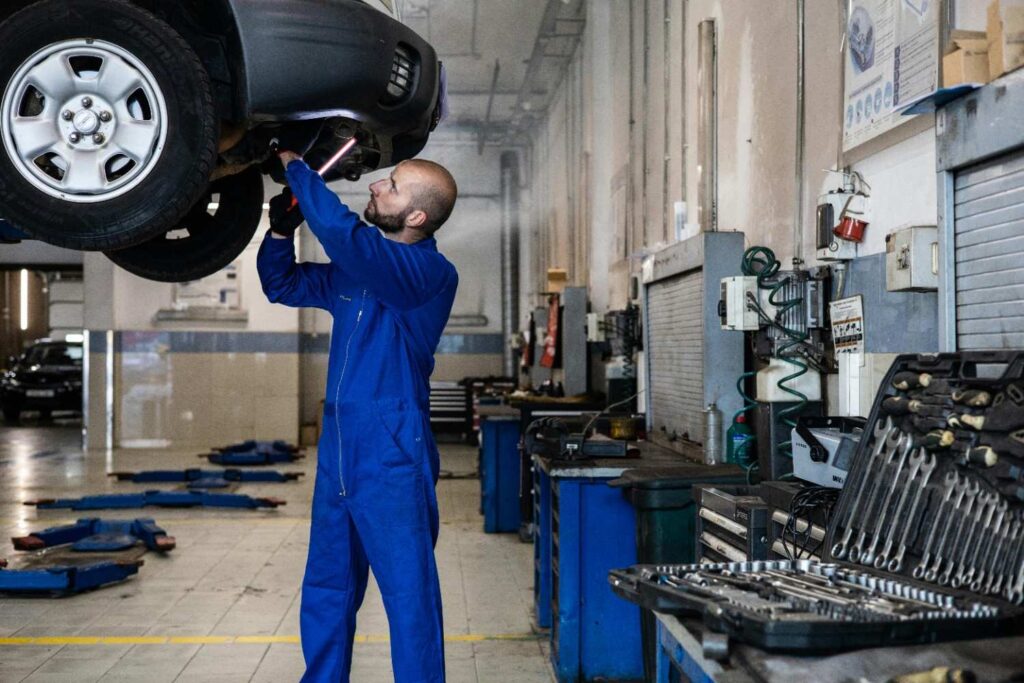
Once a vehicle is confirmed as a repairable collision, the next step is a structured repair process designed to restore safety, performance, and appearance to OEM standards. At World Auto Body, we follow manufacturer repair procedures at every stage, not shortcuts or generalized repair methods.
Here is what the full collision damage repair process typically looks like:
We begin with a full collision damage inspection, which includes both visual and computerized evaluation.
We document every issue in detail for the insurance damage assessment process. This ensures transparency and accurate approval for all collision repair work.
Whenever possible, we use OEM-approved parts based on manufacturer requirements. This is especially important for modern vehicles involved in repairable accident damage.
If structural damage is present, we perform frame straightening using precision equipment.
Once structural integrity is restored, we move into body repair:
We restore the vehicle’s appearance using advanced paint systems:
Before delivery, every vehicle undergoes final verification to ensure the vehicle is fully restored, not just repaired cosmetically.
A proper repair process ensures that a repairable collision remains truly safe and reliable after restoration. Skipping steps or using non-certified shortcuts can leave structural or electronic issues unresolved.
At World Auto Body, every step is designed to bring the vehicle back to OEM standards, not just visual completion.
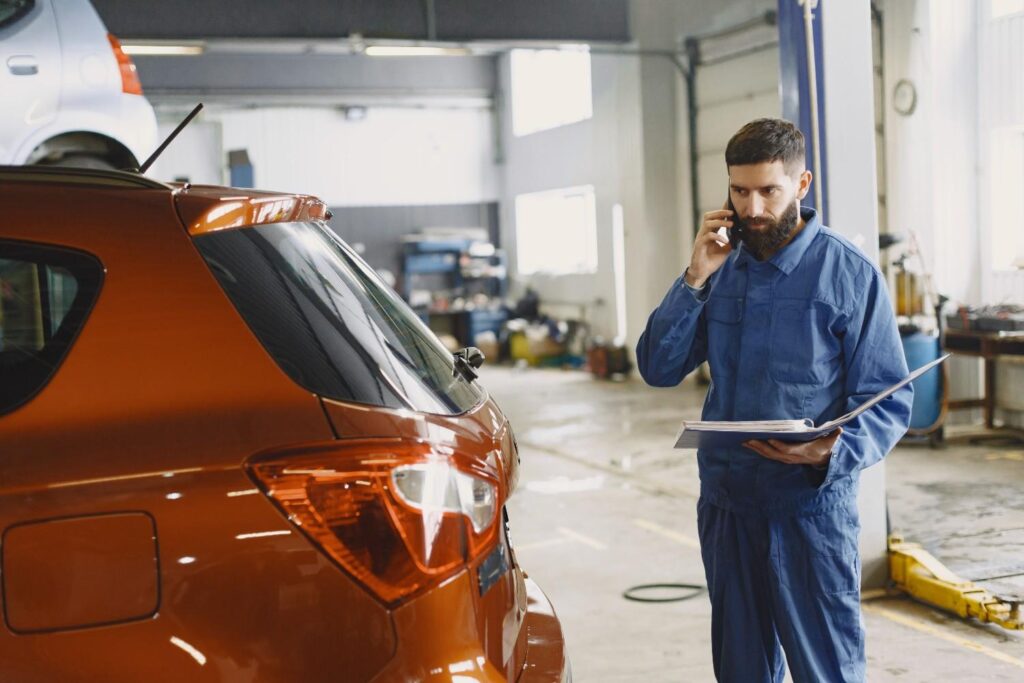
When a vehicle is classified as a repairable collision, insurance becomes a key part of the repair process. Most drivers are dealing with uncertainty at this stage—what gets approved, who decides what’s repairable, and how the final cost is determined.
Here’s how the collision claim process typically works from our perspective at the shop.
The process begins when you report the accident to your insurance provider.
At this stage, the insurer may suggest preferred shops, but you always have the right to choose your own collision repair shop in California.
Next, the vehicle undergoes a full collision damage inspection at the repair facility.
We evaluate:
This inspection often reveals differences between initial insurance estimates and actual repair needs.
It is common for the insurance estimate and the shop estimate to differ due to hidden damage that is often discovered during teardown and certified shops actually perform deeper structural diagnostics.
When this happens, a supplemental estimate is submitted to ensure all necessary repairs are approved.
Once the estimate is approved, repairs can begin.
Coverage typically includes:
When drivers search for repairable collision repair near me, the options can look similar on the surface. Most shops offer estimates, repairs, and insurance support. The real difference shows up in how accurately the damage is diagnosed and whether the repair restores true OEM safety standards.
In San Diego, where freeway impacts and multi-lane traffic collisions are common, choosing the right certified collision repair center directly affects whether a vehicle is safely restored or only partially repaired.
When evaluating a shop after a collision, here’s what actually matters:
These are not optional for modern vehicles, they are essential for safe repair outcomes.
Repairable collision damage includes any accident-related damage that can be safely restored to OEM specifications without exceeding the vehicle’s value. This often includes bumper, fender, door, panel, and some structural repairs, as long as the frame and safety systems can be properly realigned and restored.
Collision coverage typically does not cover mechanical breakdowns, normal wear and tear, pre-existing damage, or maintenance-related issues. It also does not apply to damage from excluded events like intentional damage or non-covered incidents depending on your policy terms.
The hardest repairs usually involve structural frame damage, advanced ADAS sensor recalibration, and severe unibody alignment issues. These require specialized equipment, OEM repair procedures, and precise measurements to ensure the vehicle returns to factory safety standards.
The body repair process typically includes inspection, damage assessment, insurance approval, structural repair if needed, body panel repair or replacement, paint refinishing, and final quality control checks including safety system and alignment verification.
Yes, you can check for prior damage using vehicle history reports, visual inspection, paint inconsistencies, panel gaps, and professional diagnostic tools. However, hidden structural damage often requires a certified collision inspection to fully confirm.
Yes, in California you have the legal right to choose your own collision repair shop. Insurance companies may suggest preferred providers, but you are not required to use them and can select a certified collision repair center of your choice.
Full repair time depends on damage severity. Minor repairs may take a few days, while moderate collision damage can take one to two weeks. Severe structural repairs or parts delays can extend the process to several weeks.
When a car is declared totaled, it means the estimated repair cost exceeds the vehicle’s value or it cannot be safely restored. The insurance company typically pays the vehicle’s actual cash value, minus deductible, instead of repairing it.
Body work alone can take anywhere from a few days to over a week depending on dent severity, panel replacement needs, paint matching, and whether hidden damage is discovered during disassembly.
The most expensive repairs are usually structural frame damage, engine replacement, or advanced electronic systems like ADAS sensors and calibration. These require specialized equipment and OEM-certified procedures to ensure safety and accuracy.
A repairable collision doesn’t mean your vehicle is unsafe or beyond saving, many damaged cars can be fully restored when repaired using OEM standards and a proper collision inspection. The key difference is not just whether a car is repairable, but whether it’s repaired correctly using manufacturer-approved procedures and accurate structural and safety system assessments.
At World Auto Body, we apply OEM-certified methods across brands like Genesis, Hyundai, Infiniti, KIA, Nissan, and Volvo to ensure proper repair of hidden and structural damage. If you’re unsure after an accident, the best next step is a professional inspection to clearly determine repairability or total loss before making any decisions.


LEAVE A COMMENT