- June 21, 2026
- By WAB_DEV2
- In Blog, Repainting
- 5789
- 1

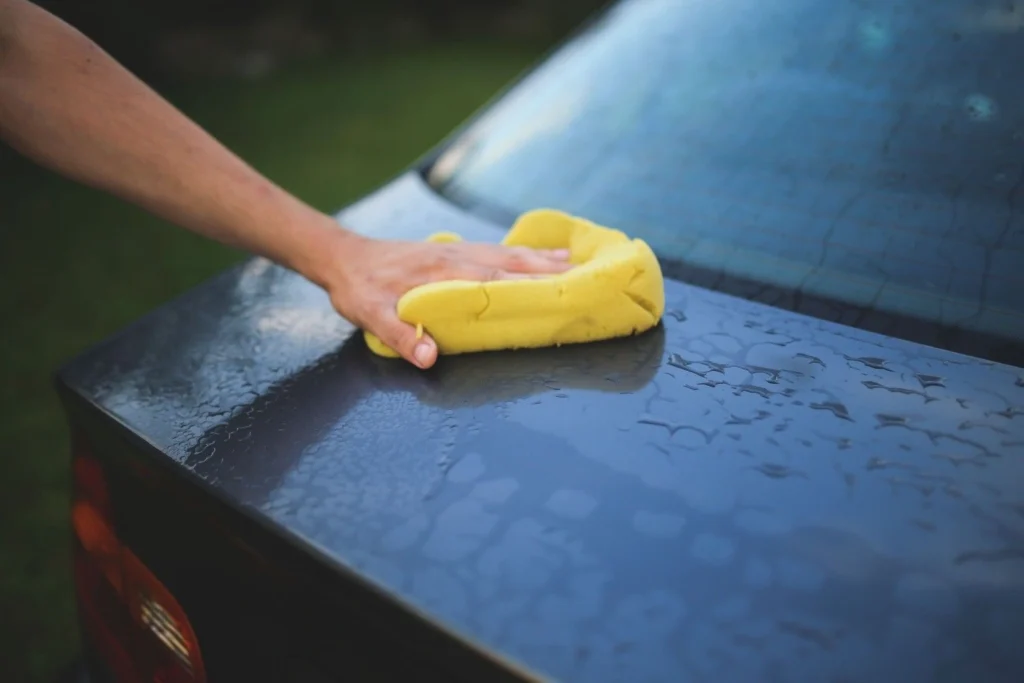
A freshly painted vehicle may look finished, but the paint curing process is still happening beneath the surface. Washing, waxing, or exposing the paint to certain chemicals too soon can interfere with that process and affect the long-term appearance of the finish.
The good news is that protecting a newly painted car isn’t complicated when you know the right timeline. In this guide, we’ll explain how long to wait for a car wash after a paint job, what happens during automotive paint curing, when it’s safe to wax, and what you can do in the meantime to protect your investment.
At World Auto Body, we apply and refinish paint systems every day using OEM-approved procedures. The same aftercare guidance we give our customers at vehicle pickup is the guidance you’ll find here.
For most vehicles, we recommend waiting at least 14 days before washing a freshly painted vehicle, and using hand wash only methods when you do. Avoid any automatic car wash for 30 days or longer, and wait 60–90 days before waxing after repaint unless your painter provides different instructions.
The exact timeline can vary based on the paint system used, weather conditions, and the specific repair performed. While the paint may feel dry within hours or days, the clear coat curing process continues for weeks after the vehicle leaves the shop.
Proper timing helps protect gloss, prevent surface damage, and maximize the long-term durability of your new finish.

One of the biggest misconceptions about a fresh paint job is that dry paint and cured paint are the same thing. They’re not.
A vehicle can leave an auto body repair shop looking complete and fully assembled, but the paint is still undergoing chemical changes beneath the surface. Understanding that process makes it much easier to understand how long to wait for a car wash after a paint job and why patience matters.
After painting, the surface becomes dry enough to handle relatively quickly. However, the paint and clear coat continue releasing solvents and hardening long after they appear dry.
This is why a newly painted car can look perfect while still being vulnerable to aggressive washing, waxing, or contamination.
Modern OEM-approved paint systems are designed to deliver durability and appearance, but they still require time to complete the automotive paint curing process.
At World Auto Body, we use manufacturer-approved refinishing systems that follow specific curing guidelines. While bake cycles accelerate the process, they do not eliminate the need for post-repair curing time.
Not all paint systems behave the same way. OEM-approved refinishing products are engineered to match factory appearance, durability, and performance standards. Following the recommended cure timeline helps ensure proper paint finish, long-term gloss retention, and better exterior finish protection for years to come.
| Time Since Paint Job | What’s Happening | What’s Safe to Do |
| 0–48 Hours | Paint surface is drying and stabilizing | Normal driving, avoid washing |
| 3–14 Days | Solvents continue escaping, clear coat hardens | Gentle use, avoid washing whenever possible |
| 14–30 Days | Paint gains durability but continues curing | Careful hand washing only |
| 30–60 Days | Significant curing progress | Continue avoiding wax and automatic washes |
| 60–90 Days | Full cure approaches for most paint systems | Waxing and long-term protection generally become safe |
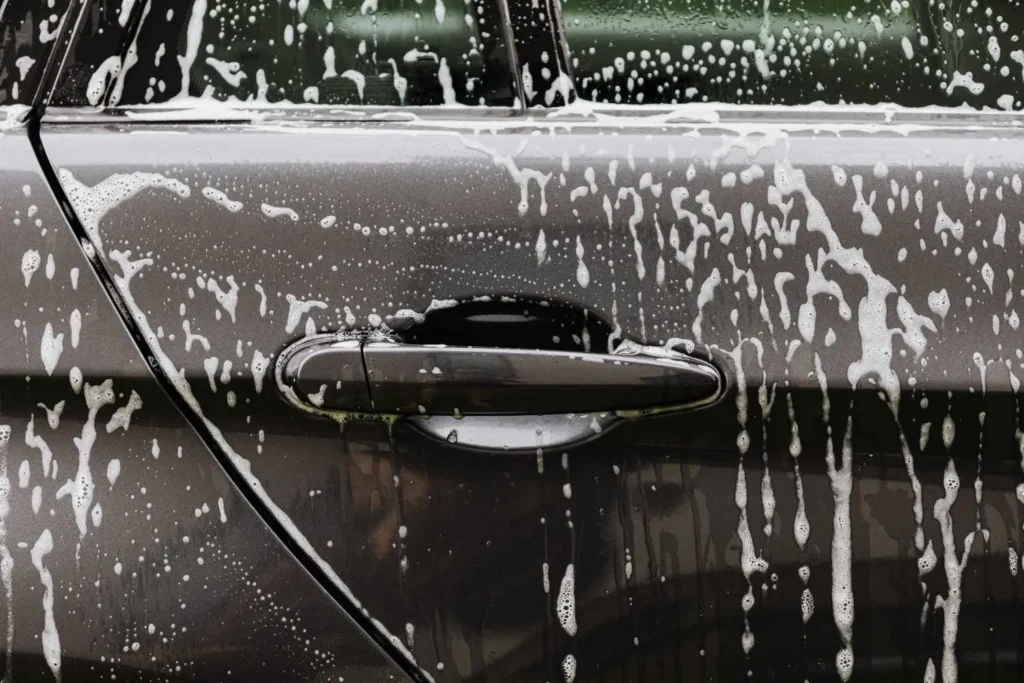
Washing a vehicle too early usually won’t ruin the paint overnight, but it can interfere with the paint curing process and create issues that are completely avoidable with a little patience.
Fresh paint remains softer than fully cured paint. During this stage, the surface is more vulnerable to scratches, pressure, chemicals, and contaminants.
Automatic washes combine several risks:
Even touchless systems can expose fresh paint to chemicals that may be too aggressive during early curing. For that reason, we recommend customers avoid automatic car wash facilities until the paint has had sufficient time to harden and stabilize.
The good news is that you don’t have to park your vehicle and avoid it for months. During the paint curing process, you can still drive and enjoy your vehicle. However, you just need to be a little more careful with how you clean and protect it in order to allow the paint and clear coat to cure naturally while minimizing anything that could damage the surface.
If your vehicle becomes dirty during the curing period, use a hand wash only approach and follow any specific recommendations provided by your painter.
Best practices include:
Even after the initial waiting period, a careful hand wash is far safer for fresh paint than a commercial wash tunnel.
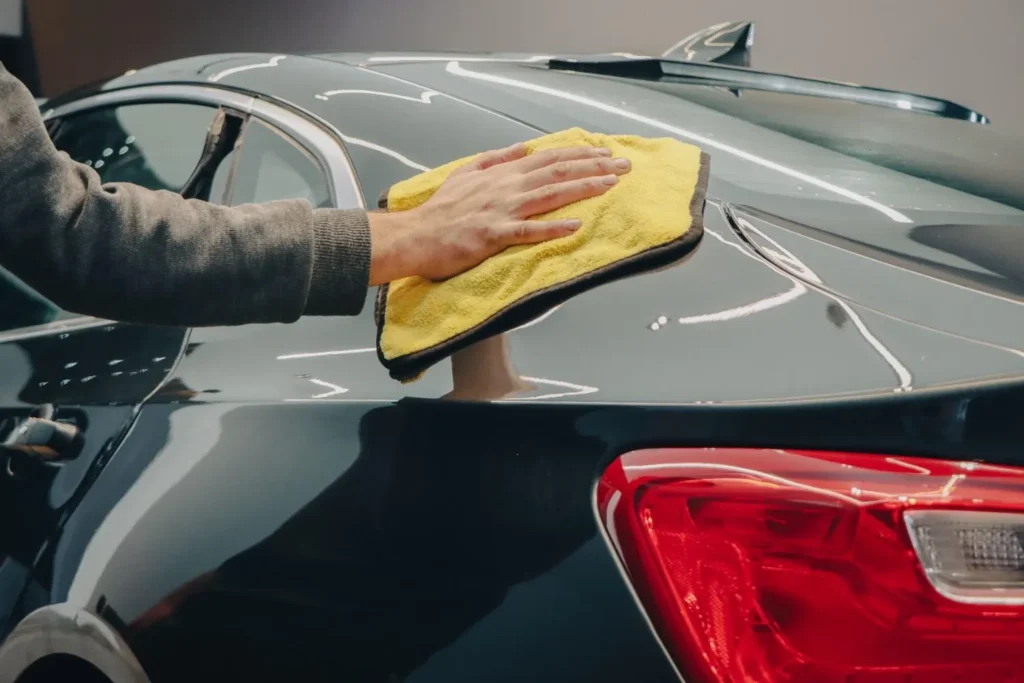
San Diego’s sunshine is great for driving, but prolonged exposure to intense UV and surface heat can stress freshly refinished panels.
Whenever practical:
While sunlight won’t stop clear coat curing, reducing excessive heat exposure can help protect the appearance of a newly painted car during the early stages.
Many owners assume a cover will protect fresh paint, but covers can create their own problems. Unless specifically recommended, it’s generally better to keep the vehicle uncovered in a clean, sheltered area.
During curing:
Although wax provides excellent paint protection, applying it too early can seal the surface before solvents have fully escaped. Waiting helps maximize gloss, durability, and long-term paint longevity.
As a general guideline:
The same principle applies to ceramic coating after paint repair.
Ceramic coatings are designed to lock in and protect the surface. Because of that, most paint systems should complete their cure cycle before coating is applied.
The exact timeline varies by paint manufacturer, but many professional installers recommend waiting until curing is complete before applying a coating.
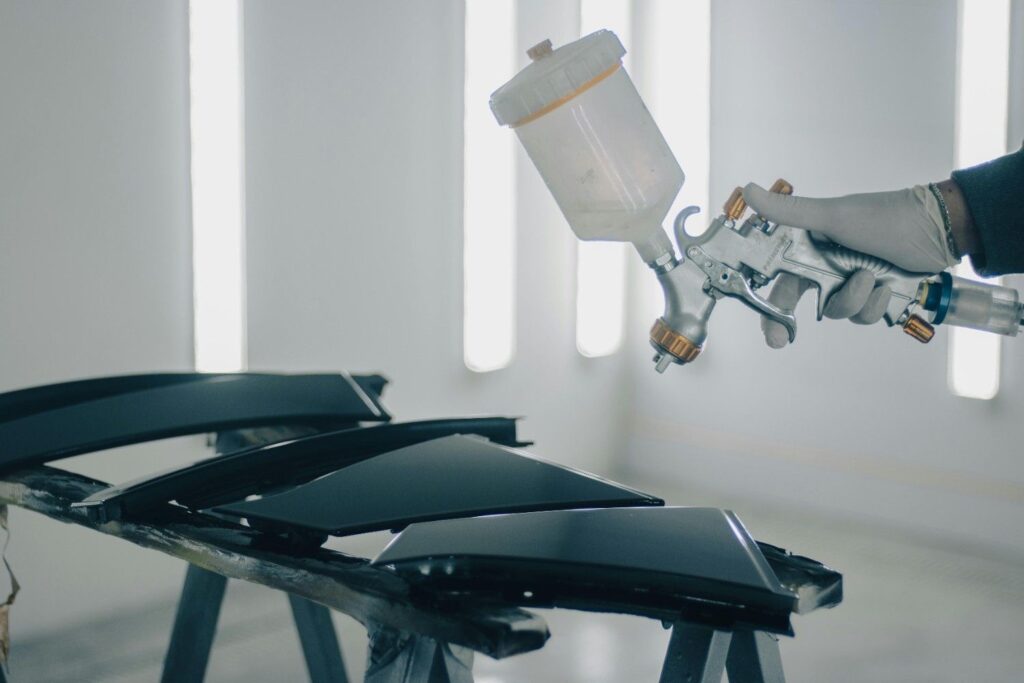
The way paint is applied has a direct impact on how it cures, how it looks over time, and how well it holds up to washing and environmental exposure. At our certified auto body repair shop, we follow manufacturer-approved refinishing systems designed specifically for long-term durability, not just immediate appearance.
When we apply paint on a vehicle repainting or collision repair job, we use controlled processes that account for film thickness, temperature, humidity, and curing cycles. These variables directly influence how the clear coat curing process develops over time.
Our certifications with manufacturers such as Nissan, Kia, Volvo, Hyundai, and others require us to follow strict refinish standards. That includes:
When paint is applied correctly, the automotive paint curing process becomes more consistent and predictable. Which means:
This is why respecting the waiting period after a fresh paint job is especially effective when the paint has been applied using OEM-grade procedures.
Ultimately, a certified application doesn’t just improve how the vehicle looks when it leaves the shop, it improves how it holds up months and years later. Proper curing combined with correct aftercare ensures the finish maintains its exterior finish protection and resists early wear from washing, UV exposure, and environmental conditions.
When customers pick up a vehicle after our autopainting process, the first question is often about washing, waxing, or protecting the finish. Our answer is usually simple: the repair is complete, but the paint curing process is not.
One of the most common situations we see involves a customer who runs their vehicle through an automatic wash within the first week because they want to keep it clean. The result is often light swirl marks or surface marring that could have been avoided by waiting a little longer and using a gentle hand wash only approach.
We also notice a clear difference between customers who follow the full curing timeline and those who rush the process. The vehicles that receive proper post-repair care generally maintain better gloss, stronger paint protection, and a more consistent finish over time.
That’s why we provide aftercare guidance at vehicle delivery. We want every customer to get the maximum life and appearance from their fresh paint job, whether the repair involves a small panel refinish or extensive collision repair work.
The reality is that most paint problems during the first few months aren’t caused by the paint itself, they’re caused by treating fresh paint like fully cured paint. A little patience during the curing window goes a long way toward protecting the investment you’ve already made.
You should generally wait at least 14 days before washing a car after a paint job, and use only a gentle hand wash when you do. Full clear coat curing continues for up to 60–90 days, so avoiding automatic car washes during this time helps protect the finish and preserve long-term gloss.
No. You should avoid automatic car washes for at least 30 days or longer after a paint job. The brushes, pressure, and chemicals can damage soft paint and interfere with the paint curing process, leading to swirl marks or reduced paint protection.
Most automotive paint systems take about 60–90 days to fully cure, depending on temperature, humidity, and paint type. While the surface may feel dry within days, the deeper chemical hardening of the clear coat curing process continues long after delivery.
You should wait about 60–90 days before waxing after repainting. Waxing too early can seal solvents inside the paint and interfere with the curing process. Once fully cured, waxing helps improve paint longevity and enhances the final paint finish.
Most ceramic coatings should only be applied after the paint is fully cured, typically 30–90 days after a paint job, depending on the system used. Applying too early can trap uncured solvents and reduce bonding effectiveness of the coating.
Washing too soon can cause swirl marks, water spotting, and surface damage to soft paint. It may also interfere with solvent release during curing. This is especially risky with automatic washes, which can reduce the quality of the final paint finish.
A very gentle hand wash only may be safe after the initial curing window (around 10–14 days), but it should be done carefully with soft materials and minimal pressure. Avoid scrubbing, harsh chemicals, or repeated washing during early post-repair care.
San Diego’s warm temperatures can make paint feel dry faster, but they do not significantly shorten full curing time. Strong UV exposure and coastal air make proper paint protection and correct washing timing even more important to maintain exterior finish protection.
Waiting the right amount of time before washing is one of the simplest ways to protect a fresh paint job. While the surface may look ready within days, the full paint curing process continues for weeks beneath the clear coat.
The key takeaway is straightforward: a little patience during the early curing window helps preserve gloss, prevents surface damage, and supports long-term paint longevity. Rushing into washing, waxing, or automatic car washes too early can compromise a finish that was carefully applied to OEM standards.
At World Auto Body, we apply every vehicle repainting and collision repair finish using manufacturer-approved systems, and we guide every customer through proper post-repair care to make sure their paint holds up for years, not just days.
If you ever have questions about your paint after pickup, we’re here to help you make the right decision before you take the next step.
Your finish is an investment, treating it correctly from day one ensures it stays that way.


1 COMMENT
Best Ways to Clean a Car After Body Repair
August 30, 2026, 10:02 am REPLY[…] For more information, see our guide on when to wash your car after paint repair. […]