- 2079
- 0

Frame Straightening: How to Know If Your Vehicle Can Be Safely Repaired
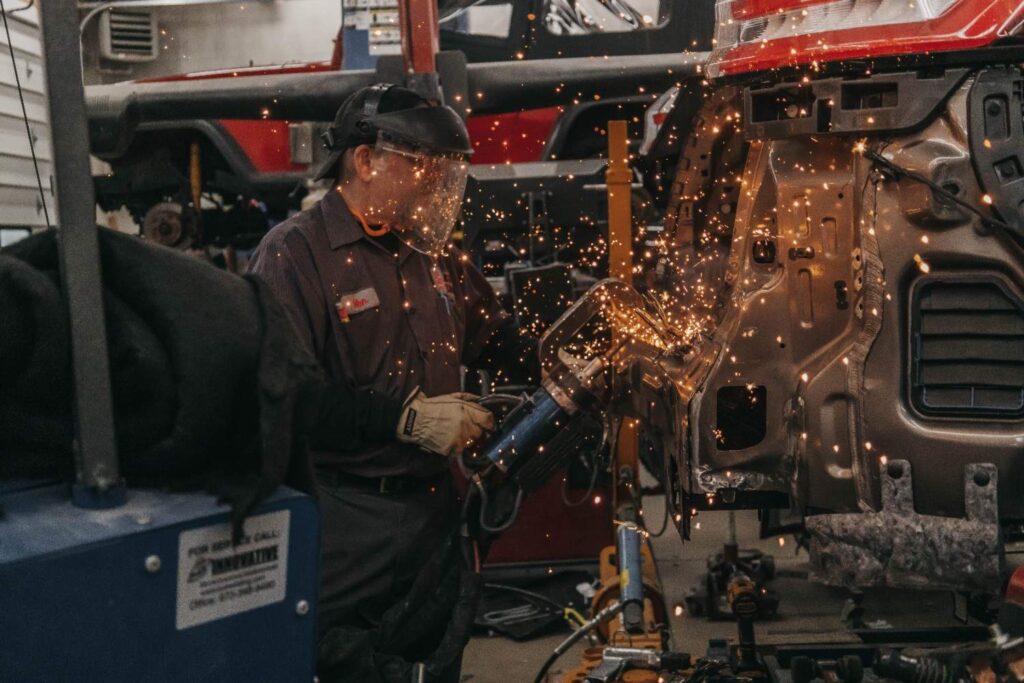
After a collision, one of the most unsettling situations is when your vehicle still drives, but something doesn’t feel right. Maybe the steering wheel is no longer centered. Maybe the car pulls slightly to one side. Maybe the gaps around the doors, hood, or trunk suddenly look uneven. These are often the first signs drivers notice before discovering they may be dealing with structural damage.
The good news is that many vehicles with structural damage can be repaired successfully through professional frame straightening and structural frame repair. The key is understanding the extent of the damage and whether the vehicle can be restored to manufacturer specifications.
In this guide, we’ll explain how auto frame straightening works, how to recognize signs of frame damage, what repairs typically cost, when insurance covers the damage, and why OEM-certified repair standards matter so much. Everything here comes from real collision repair experience, not theory. It’s the same process we use every day to evaluate and repair vehicles throughout San Diego after serious collisions.
What Is Frame Straightening?
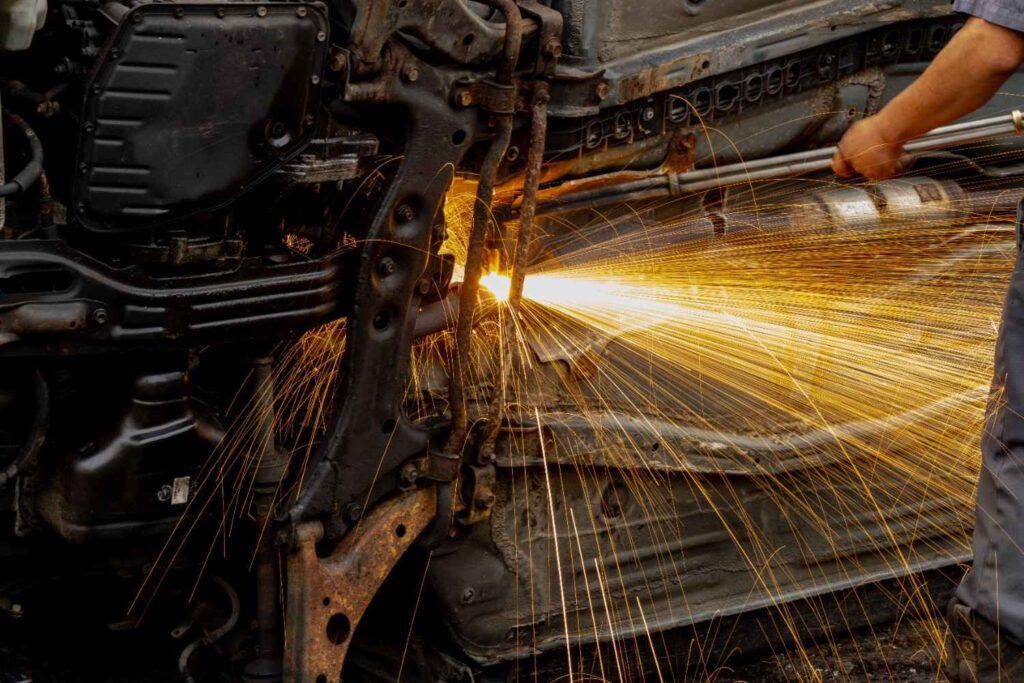
Frame straightening is a specialized collision repair process that restores a vehicle’s structural frame to its original manufacturer specifications after an accident. Using computerized measuring systems, hydraulic pulling equipment, and OEM repair procedures, our certified technicians correct bends, twists, and misalignments that affect vehicle safety, handling, and structural integrity.
When performed correctly, frame straightening restores critical dimensions throughout the vehicle’s structure, helping ensure proper suspension geometry, airbag performance, panel alignment, and crash protection. Because even small measurement variances can affect how a vehicle performs in a future collision, accurate structural repairs are one of the most important parts of the collision repair process.
How Do You Know If Your Car Needs Frame Straightening?
Many drivers assume frame damage is obvious. In reality, some vehicles leave the accident scene looking relatively normal while hiding significant structural issues underneath.
That’s why one of the most important parts of any frame damage repair is proper diagnosis. A visual inspection alone is often not enough. Modern vehicles are engineered with tight structural tolerances, and damage that isn’t visible to the naked eye can still affect safety, handling, and long-term reliability.
Common Signs of Frame Damage
If Steering Feels Different After Collision
- Vehicle pulls left or right while driving
- Steering wheel sits off-center
- Vehicle feels unstable at highway speeds
- Increased steering correction required
These symptoms often indicate alignment or structural issues caused by a bent frame.
Uneven Body Gaps Around
- Doors
- Hood
- Trunk
- Fenders
- Bumpers
Uneven gaps can indicate the vehicle’s structure has shifted during impact.
Doors, Hood, or Trunk Don’t Close Properly
- Doors sticking or binding
- Hood latch problems
- Trunk fitment issues
- Increased wind noise
Many drivers mistake these issues for isolated panel damage when the underlying problem is structural.
Unusual Tire Wear
Frame damage can alter suspension geometry and vehicle frame alignment, causing:
- Rapid tire wear
- Uneven tread patterns
- Premature suspension component wear
- Poor handling characteristics
Why Visual Inspections Often Miss Frame Damage
One of the biggest misconceptions in collision repair is that frame damage can always be seen.
In reality:
- Structural movement can occur beneath body panels
- Unibody damage may not be externally visible
- Suspension mounting points can shift without obvious cosmetic damage
- Safety structures can deform while exterior panels appear relatively intact
This is why certified collision centers rely on computerized measuring systems rather than visual inspections alone.
The Role of Computerized Frame Measuring
At our shop, potential bent frame repair cases begin with precise structural measurements.
Using advanced measuring systems, we compare hundreds of points throughout the vehicle against OEM specifications.
This allows us to identify:
- Hidden structural movement
- Twists and bends
- Suspension geometry changes
- Unibody distortion
- Areas requiring structural frame repair
The result is a clear, objective assessment of whether the vehicle requires collision frame straightening, additional structural repairs, or, in rare cases, replacement of structural components.
If you’ve recently been in an accident, schedule a structural inspection if you notice any of the following:
- Vehicle pulls while driving
- Steering wheel is no longer centered
- Uneven panel gaps
- Doors or hood don’t close correctly
- Strange tire wear patterns
- Suspension feels different
- Visible bending or wrinkling of metal
- Collision impact affected wheels or suspension
How Frame Straightening Works: The OEM-Certified Process
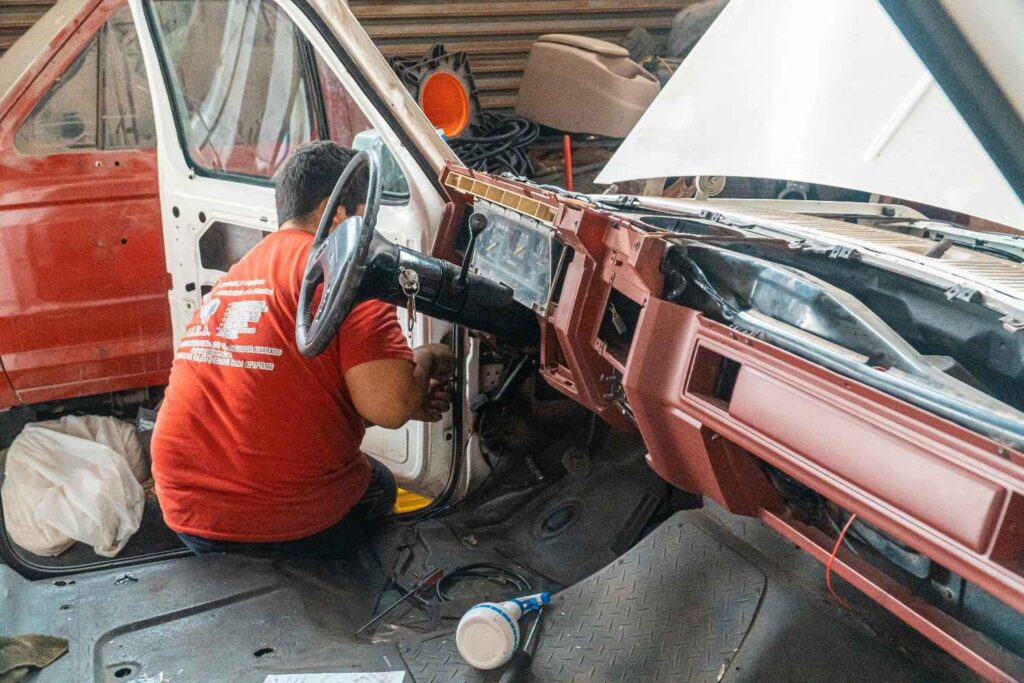
Many drivers imagine frame straightening as simply pulling bent metal back into place. In reality, modern auto frame straightening is a highly controlled structural repair process that combines computerized measurements, OEM repair procedures, and precision equipment to restore the vehicle to manufacturer specifications.
The goal is not to make the vehicle “look straight.” The goal is to restore the structure to the exact dimensions engineers designed for safety, handling, and crash performance.
For newer vehicles, even a small measurement deviation can affect suspension geometry, panel fitment, ADAS sensors, and occupant protection systems.
Initial Computerized Frame Measurement
The process begins with a comprehensive structural inspection.
Using a computerized frame measuring system, we compare the vehicle’s dimensions against manufacturer specifications.
This allows us to identify:
- Bent frame rails
- Twisted structural sections
- Unibody distortion
- Suspension mounting point movement
- Hidden collision damage
Unlike a visual inspection, computerized measuring provides objective data that shows exactly where the structure has moved.
Damage Mapping Against OEM Specifications
Once measurements are collected, we map the damage against OEM repair standards.
This step determines:
- Whether the structure can be repaired
- Which areas require correction
- Whether replacement components are necessary
- How much structural frame repair is required
Manufacturer specifications matter because every vehicle is engineered differently.
A Nissan, Hyundai, Volvo, Genesis, Kia, or Infiniti may have unique structural designs, repair procedures, and allowable tolerances.
Hydraulic Straightening Equipment Setup
After the repair plan is developed, the vehicle is secured to a specialized frame rack.
Hydraulic pulling equipment is then positioned at carefully selected structural points.
The setup is critical because the force applied must:
- Move damaged areas precisely
- Avoid introducing new stress
- Follow OEM repair procedures
- Protect surrounding structural components
Multi-Point Pulling and Realignment
This is where actual vehicle frame straightening occurs.
Rather than a single pull, technicians typically perform multiple controlled pulls while continuously monitoring measurements.
The process may involve:
- Frame rail correction
- Chassis straightening
- Suspension mounting point alignment
- Structural section repositioning
- Cross-member adjustments
Precision is essential because over-correcting can be just as problematic as under-correcting.
Re-Measurement and OEM Tolerance Verification
After structural corrections are completed, the vehicle is measured again.
This verification step confirms the repaired structure falls within OEM tolerances.
In many cases, measurements are reviewed repeatedly throughout the repair process to ensure accuracy.
A difference of only a few millimeters can affect:
- Airbag deployment geometry
- Suspension alignment
- Steering performance
- ADAS system operation
- Future collision performance
This is one reason certified structural repair is so important.
Final Structural Inspection
Before repairs move to the next phase, a final inspection verifies:
- Structural dimensions
- Mounting point locations
- Panel fitment
- Suspension geometry
- Overall repair quality
Only after the structure meets repair standards can the vehicle proceed to additional collision repairs, bodywork, refinishing, and final quality control.
Why OEM Specifications Matter
Modern vehicles are designed with carefully engineered crumple zones and occupant protection systems. When a collision occurs, these systems work together to absorb energy and protect passengers.
If a vehicle’s structure is not restored correctly, those systems may not perform as intended during a future accident.
That’s why collision frame straightening is about far more than appearance. It’s about restoring the vehicle’s ability to protect the people inside it.
Frame Straightening vs. Frame Replacement: What’s the Right Call?
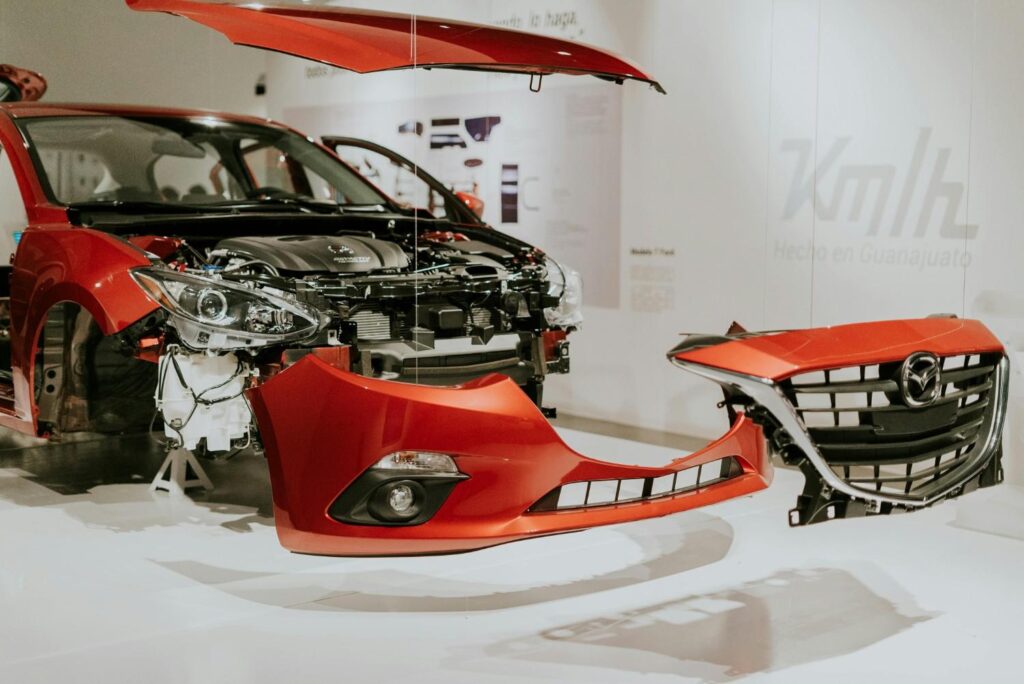
The answer depends on the severity of the damage, the location of the impact, the vehicle’s design, and whether the structure can be restored to OEM specifications are one of those main things that explain whether you need a frame straightening service or frame replacement.
Many vehicles with moderate frame damage can be repaired safely through professional frame straightening. However, some collisions create structural damage that requires component replacement, and in rare cases, the vehicle may be deemed a total loss.
When Frame Straightening Is Usually the Best Option
Most vehicle frame straightening repairs involve damage such as:
- Bent frame rails
- Minor structural shifts
- Front-end collision damage
- Rear-end impact damage
- Suspension mounting point movement
- Unibody distortion within repairable limits
When the structure can be returned to factory dimensions, straightening is often the safest and most cost-effective solution.
When Frame Replacement May Be Necessary
In some situations, simply straightening the damaged section is not enough.
Replacement may be recommended when:
- Structural sections are severely crushed
- Metal has stretched beyond repair limits
- OEM repair procedures require replacement
- Critical safety components cannot be restored
- Structural integrity cannot be guaranteed after straightening
This is particularly common in high-energy impacts where damage extends beyond the primary collision zone.
Why Accurate Diagnosis Matters
This is where certification and equipment make a major difference.
A visual inspection cannot reliably determine whether:
- The structure is repairable
- OEM tolerances can be restored
- Additional hidden damage exists
- Replacement is required
Only a detailed structural inspection and computerized measurement process can provide those answers.
As an OEM-certified collision repair facility, we rely on manufacturer repair procedures and structural measurements rather than assumptions. That allows us to determine whether car frame straightening, component replacement, or another repair strategy is the safest path forward.
For drivers dealing with post-collision uncertainty, getting an accurate structural assessment is often the first step toward understanding whether the vehicle can be repaired safely and economically.
Collision Frame Damage in San Diego: What to Do Next
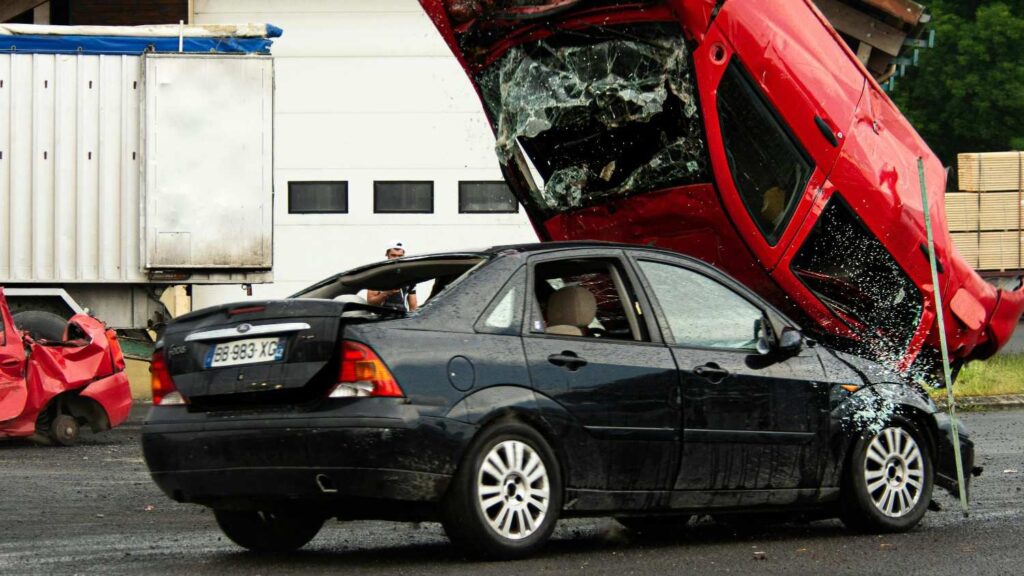
In San Diego, we see a specific pattern of accidents that often lead to frame damage repair needs. High-speed impacts on the I-5, I-8, and I-15 freeways, rear-end collisions in stop-and-go traffic, and parking structure impacts in tighter urban areas all create different types of structural stress on a vehicle.
The challenge is that many of these vehicles still appear “drivable” after the collision, which leads drivers to delay inspection. That delay is where hidden damaged frame repair issues often become more complicated and expensive.
Why Acting Quickly Matters
After a collision involving potential structural impact:
- Driving can worsen misalignment over time
- Suspension components may wear unevenly
- ADAS systems may drift further out of calibration
- Secondary damage can develop in connected structural areas
- Insurance documentation becomes more complex if delayed
Even if the vehicle seems fine, bent frame repair issues are often not immediately visible without computerized measurement.
What You Should Do Immediately After a Collision
If you suspect structural damage, here’s the correct sequence:
- Do not assume drivability means no damage
A vehicle can drive normally and still have significant structural misalignment. - Request a computerized frame inspection
A visual check alone is not enough for modern vehicles. You need precise measurement against OEM specifications. - Document the accident for insurance purposes
Photos, police reports (if applicable), and early estimates help support your claim. - Contact your insurance before major repairs begin
This ensures coverage clarity for collision frame straightening and related repairs. - Choose a certified repair facility early
This prevents unnecessary delays and ensures OEM repair procedures are followed from the start.
Why Local Expertise Matters
San Diego traffic conditions create unique collision patterns that affect structural damage differently than low-speed suburban impacts.
At our facilities across Miramar, Encinitas, El Cajon, and Escondido, we routinely handle vehicle frame straightening cases involving:
- Freeway rear-end impacts
- High-speed lane-change collisions
- Parking structure side impacts
- Multi-point collision damage
Each case requires a different diagnostic approach, which is why structural frame repair must always start with proper measurement, not assumptions.
The Key Takeaway
If your vehicle was in any collision strong enough to trigger airbags, shift alignment, or cause visible panel gaps, it should be inspected for frame damage repair immediately—even if it still drives normally.
Early inspection protects:
- Safety
- Repair costs
- Insurance claims
- Long-term vehicle value
Frequently Asked Questions
What is frame straightening and how does it work?
Frame straightening is a structural repair process that restores a vehicle’s frame or unibody back to OEM factory specifications after a collision. We use computerized measuring systems and hydraulic equipment to detect bends, twists, and misalignments, then carefully correct them back to factory tolerances. This ensures the vehicle’s safety systems, suspension geometry, and structural integrity function as intended.
How do I know if my car’s frame is bent?
Common signs include pulling while driving, uneven tire wear, misaligned doors or panels, or a steering wheel that no longer centers properly. However, many cases of bent frame repair are not visible without computerized measurements. That’s why we always recommend a structural inspection after moderate or severe collisions.
Can a bent car frame be straightened safely?
Yes, in many cases a bent frame can be safely repaired through vehicle frame straightening, as long as the damage is within OEM repairable limits. At certified facilities, we restore the structure using manufacturer specifications to ensure safety, handling, and crash performance are not compromised.
How long does frame straightening take?
Most frame straightening service repairs take between 1 to 3 days, depending on damage severity. More complex structural cases requiring additional collision frame straightening or part replacement may take longer. The timeline also depends on inspection findings and OEM repair requirements.
How much does frame straightening cost?
Costs typically range from $500 for minor adjustments to $2,500+ for more severe structural frame repair. Severe cases involving multiple structural areas or damaged frame repair can cost more. Insurance often covers these repairs under collision coverage, depending on your policy.
Will insurance cover frame straightening?
In most cases, yes. If the damage resulted from a covered accident, insurance typically covers frame damage repair, minus your deductible. We also work directly with insurance adjusters to ensure accurate documentation and proper repair approvals.
Is it safe to drive a car with a bent frame?
No. Driving with a bent frame can compromise vehicle frame alignment, affect braking and steering performance, and increase the risk of further damage. Even if the car feels drivable, underlying structural issues may still exist.
What’s the difference between frame straightening and frame replacement?
Frame straightening corrects the existing structure back to OEM specifications, while replacement involves installing new structural components. Replacement is only needed when the damage exceeds repairable limits or OEM procedures require it.
Does frame damage mean my car is totaled?
Not always. A vehicle is only considered a total loss when repair costs exceed its value or when structural integrity cannot be safely restored. Many cases of collision frame damage are fully repairable through certified straightening.
Why does OEM certification matter for frame repair?
OEM certification ensures repairs follow manufacturer-specific structural guidelines. This is critical because every vehicle (Nissan, Volvo, Hyundai, Kia, Genesis, Infiniti) has different vehicle frame straightening tolerances. Without certification, there’s a risk of incorrect alignment, safety system failure, or compromised crash performance.
Conclusion
When it comes to frame straightening, the most important takeaway is simple: structural damage is never just cosmetic. It directly affects safety, alignment, and how your vehicle performs in a future collision.
That’s why the right repair decision always comes down to three things:
- Safety first: even minor frame shifts can affect crumple zones, steering, and ADAS systems
- Certified repair standards matter: OEM procedures ensure your vehicle is restored to factory specifications
- Fast inspection prevents bigger problems: early frame damage repair reduces cost, delays, and hidden secondary damage
At World Auto Body, we handle frame straightening service work every day across San Diego using manufacturer-certified processes for Genesis, Hyundai, Infiniti, KIA, Nissan, and Volvo vehicles. That means your repair isn’t based on guesswork—it’s based on factory engineering standards.
If you suspect structural damage or simply want peace of mind after a collision, we’re here to help.
You can visit any of our locations for a free inspection and estimate:
- Miramar: (858) 535-9293
- Encinitas: (760) 753-0035
- El Cajon: (619) 444-6555
- Escondido: (760) 740-9100
Or call our main line for towing and support: (858) 722-7881
We’ll inspect your vehicle, explain exactly what’s going on structurally, and give you a clear path forward, no pressure, just accurate information so you can make the right decision.

 How to Repair Rust on a Truck: Complete Rust Repair Guide
- August 23, 2026
 How Much Does Truck Frame Repair Cost?
- August 22, 2026


LEAVE A COMMENT