- 633
- 2

Collision Repair: Restore Your Car After an Accident
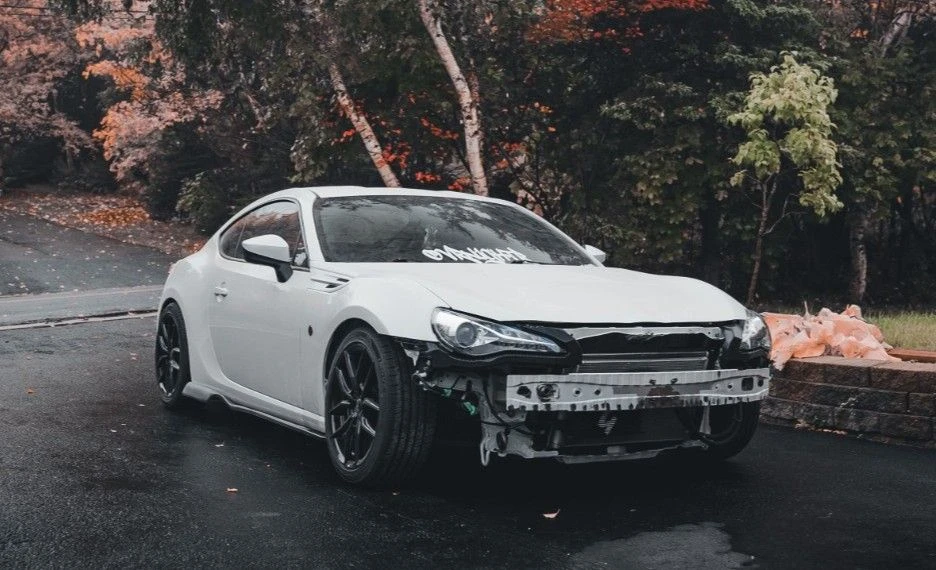
Collision damage is more than dents, scratches, and broken bumpers. Even a minor accident can affect your vehicle’s structural integrity, safety systems, and overall performance, making professional repairs essential for getting back on the road safely.
In this guide, we’ll walk you through everything you need to know about collision repair, from damage assessments and repair procedures to insurance claims, repair timelines, and choosing the right collision repair shop. Whether your vehicle has cosmetic damage or requires extensive structural repairs, understanding the repair process will help you make confident, informed decisions every step of the way.
What Is Collision Repair?
Collision repair is the process of restoring a vehicle after it has been damaged in an accident or collision. Unlike routine maintenance, collision repair involves repairing or replacing damaged components, restoring the vehicle’s structural integrity, and ensuring it is safe to drive while returning it as closely as possible to its pre-accident condition.
A professional collision repair shop performs a complete damage assessment to identify both visible and hidden damage before developing a repair plan. Depending on the extent of the damage, collision repair services may include:
- Auto body repair for damaged doors, fenders, bumpers, and body panels
- Frame repair and structural repair to restore the vehicle’s strength and alignment
- Dent repair, scratch repair, and collision paint refinishing
- Replacement of damaged parts using manufacturer-recommended repair procedures
- Inspection and calibration of vehicle safety systems, sensors, and driver-assistance technology when required
Modern auto collision repair involves much more than repairing dents and repainting damaged panels. Today’s vehicles are equipped with advanced safety features, electronic systems, cameras, and sensors that can be affected even by a minor accident. Proper repairs require specialized equipment, thorough inspections, and trained technicians who understand manufacturer repair procedures.
Whether you need minor collision damage repair or extensive vehicle collision repair, choosing an experienced collision repair center helps ensure your vehicle is repaired safely, performs as intended, and maintains its long-term value.
Types of Collision Damage
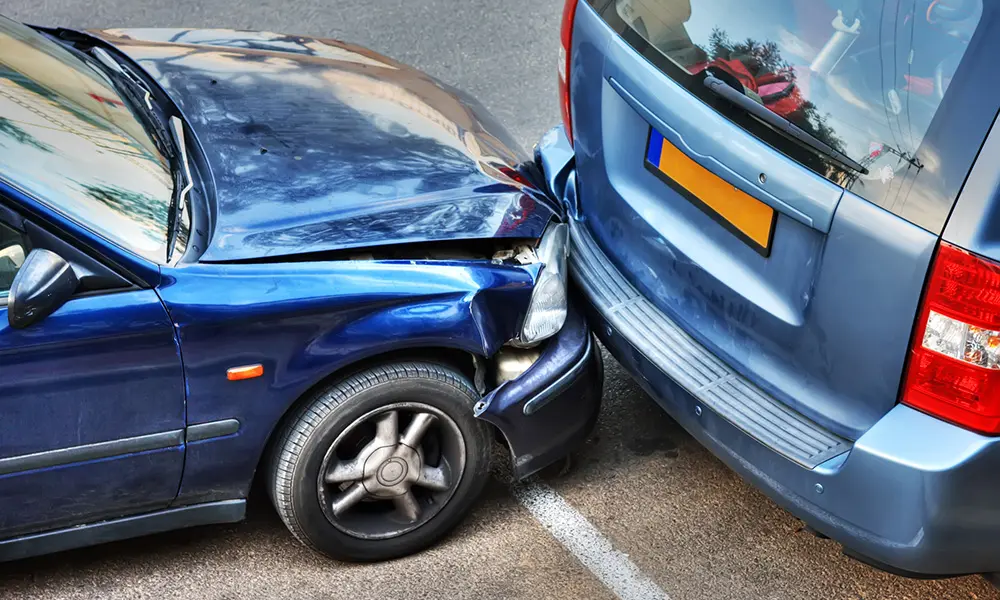
Not every accident causes the same type of damage. Some collisions leave only minor cosmetic damage, while others can affect the vehicle’s structure, mechanical components, or safety systems.
Common types of collision damage include:
- Dents, scratches, and damaged body panels
- Cracked or damaged bumpers
- Frame and structural damage
- Suspension and wheel alignment issues
- Broken lights, mirrors, and exterior components
- Paint damage and refinishing needs
- Hidden damage affecting sensors, cameras, and other electronic systems
Regardless of the severity of the accident, a professional damage assessment is essential to identify all necessary repairs. Even damage that appears minor on the surface may require additional inspection to ensure the vehicle can be repaired safely and correctly.
Collision Damage Assessment
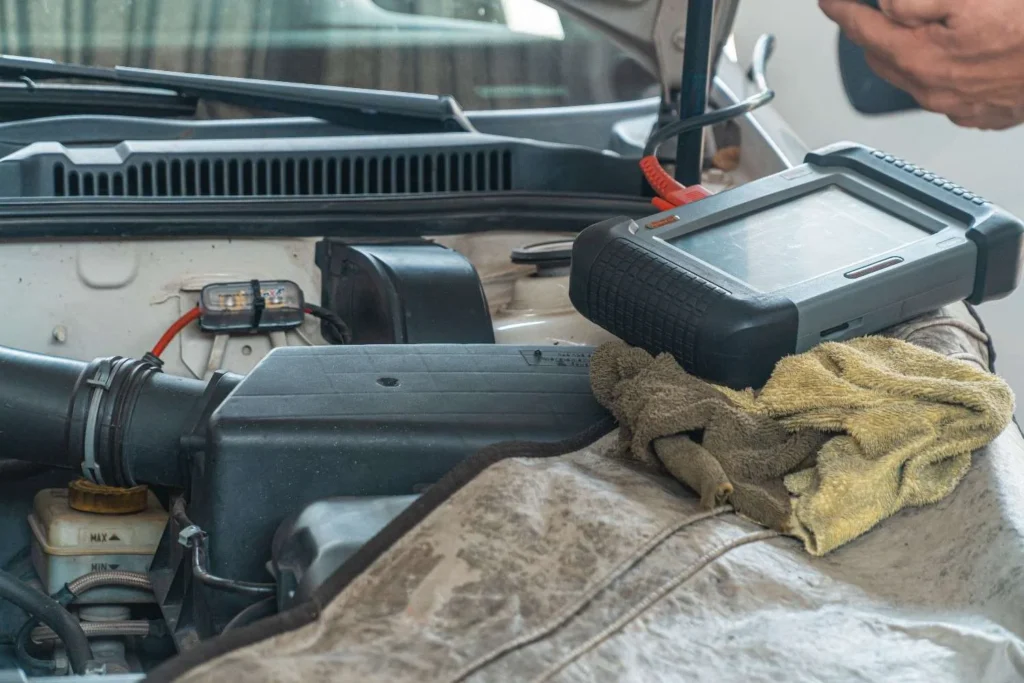
A thorough collision damage assessment is the foundation of a safe and successful repair. While dents and scratches are often easy to spot, an accident can also cause hidden damage that affects your vehicle’s structural integrity, suspension, steering, or advanced safety systems.
Before any auto collision repair begins, our technicians perform a comprehensive inspection to determine the full extent of the damage and develop an accurate repair plan. This helps prevent overlooked issues, supports insurance claims, and provides a clear collision repair estimate before work starts.
A professional damage assessment typically includes:
- Inspection of visible damage, including dents, scratches, cracked bumpers, and damaged body panels
- Evaluation of the frame and structural components for alignment issues or hidden damage
- Inspection of suspension, steering, and wheel alignment when impacted by the collision
- Assessment of doors, hood, trunk, lights, mirrors, and exterior components
- Inspection of cameras, parking sensors, and other driver-assistance systems that may require recalibration
- A detailed repair plan outlining the recommended repairs, replacement parts, and estimated repair timeline
A complete inspection helps ensure every aspect of the collision damage repair is addressed, not just the visible damage. It also allows us to provide an accurate repair estimate, minimize unexpected repairs later in the process, and restore your vehicle’s safety, performance, and appearance.
Collision Repair Services
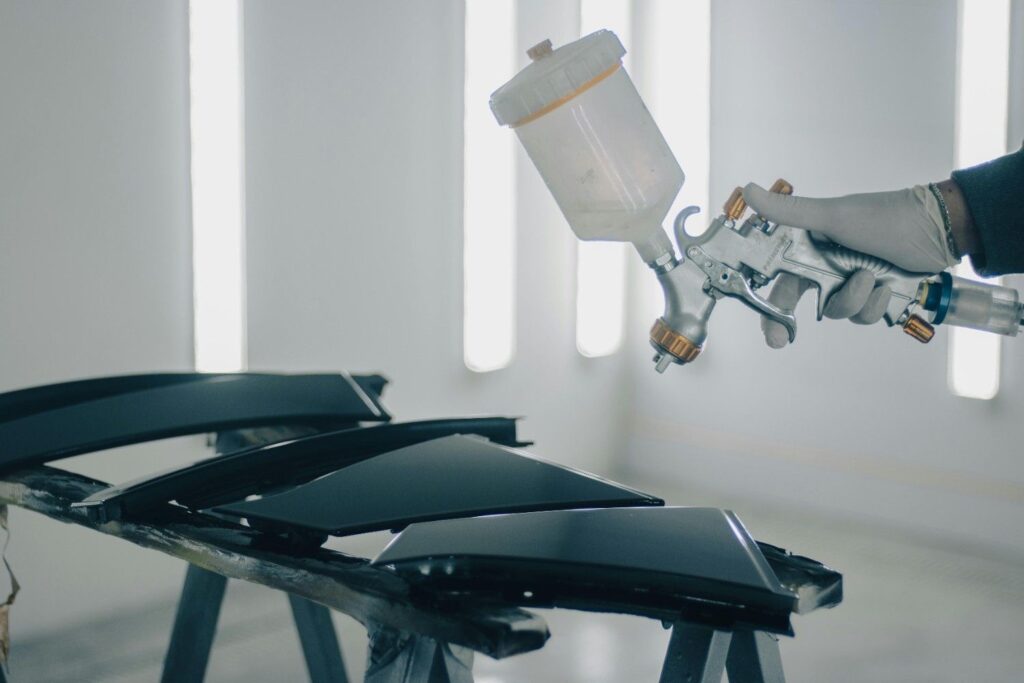
Every accident is different, which is why collision repair services are tailored to the condition of each vehicle. Whether your car has minor cosmetic damage or requires extensive structural repairs, our goal is to restore it safely and efficiently using professional repair techniques and manufacturer-recommended procedures.
Auto Body Repair
Damaged body panels, doors, fenders, and bumpers are carefully repaired or replaced to restore your vehicle’s appearance and structural integrity. Our technicians evaluate each component to determine whether it can be repaired or if replacement is the safest option.
Frame & Structural Repair
A collision can affect your vehicle’s frame even when the damage isn’t immediately visible. Using specialized measuring equipment, we inspect the vehicle’s structure and perform frame repair when necessary to restore proper alignment and help ensure the vehicle performs as designed.
Dent & Scratch Repair
From small dents to deep scratches, professional repairs help prevent corrosion while restoring the appearance of your vehicle. Depending on the damage, repairs may include dent removal, panel repair, surface preparation, and refinishing.
Collision Paint Repair & Refinishing
Once repairs are complete, damaged panels are professionally refinished using advanced paint matching technology to achieve a seamless factory-quality finish. Proper preparation, painting, and curing help ensure long-lasting durability and consistent color across repaired panels.
Parts Replacement
When components cannot be safely repaired, they are replaced using the appropriate parts for your vehicle. Depending on the repair and insurance requirements, this may include OEM or other approved replacement parts to ensure proper fit, function, and long-term reliability.
Safety System Inspection
Modern vehicles often require inspection of cameras, sensors, radar systems, and other driver-assistance technologies after a collision. When necessary, these systems are inspected and calibrated to help ensure they continue operating as intended after repairs are completed.
The Collision Repair Process
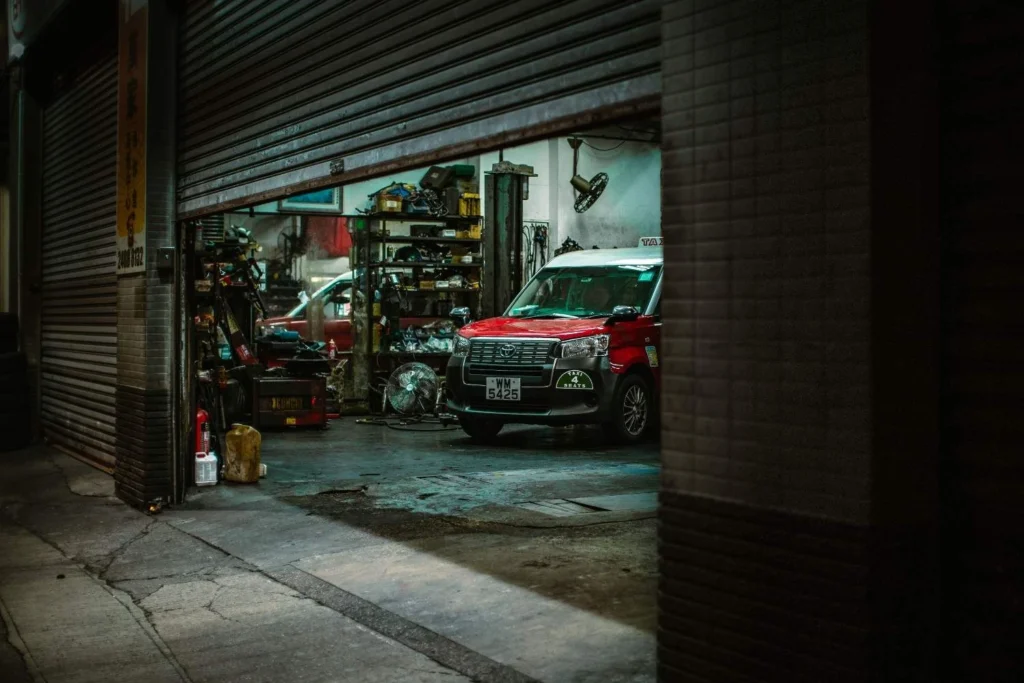
Knowing what to expect during a collision repair can help make the experience less stressful. While every repair is different, most vehicles follow a similar process from the initial inspection to the final quality check.
1. Vehicle Inspection & Damage Assessment
Every repair begins with a thorough inspection of the vehicle. Our technicians evaluate both visible and hidden damage, document the findings, and prepare a detailed collision repair estimate outlining the recommended repairs.
2. Repair Planning & Insurance Approval
Once the inspection is complete, we develop a repair plan based on the vehicle’s condition and manufacturer repair procedures. If you’re filing an insurance claim, we can work directly with your insurance company to help streamline the approval process.
3. Disassembly & Hidden Damage Inspection
After repairs are approved, damaged components may be removed to inspect areas that aren’t visible during the initial assessment. In some cases, additional damage is discovered at this stage, requiring updates to the repair plan before work continues.
4. Structural & Body Repairs
If the collision affected the vehicle’s frame or structural components, those repairs are completed first. Once the vehicle’s structure has been restored, our technicians repair or replace damaged body panels, bumpers, and other exterior components.
5. Paint & Refinishing
After the body repairs are complete, repaired panels are prepared, painted, and refinished using professional color-matching technology. The finish is blended with adjacent panels when necessary to create a seamless appearance.
6. Reassembly & Final Inspection
The vehicle is carefully reassembled, and all repaired components are inspected to ensure proper fit and function. Our technicians verify panel alignment, paint quality, and overall workmanship before the vehicle moves to the final stage.
7. Quality Control & Vehicle Delivery
Before returning your vehicle, we perform a final quality inspection to confirm that repairs meet our standards. We review the completed work with you, answer any questions, and ensure your vehicle is ready to get back on the road safely.
Understanding Insurance Claims After a Collision
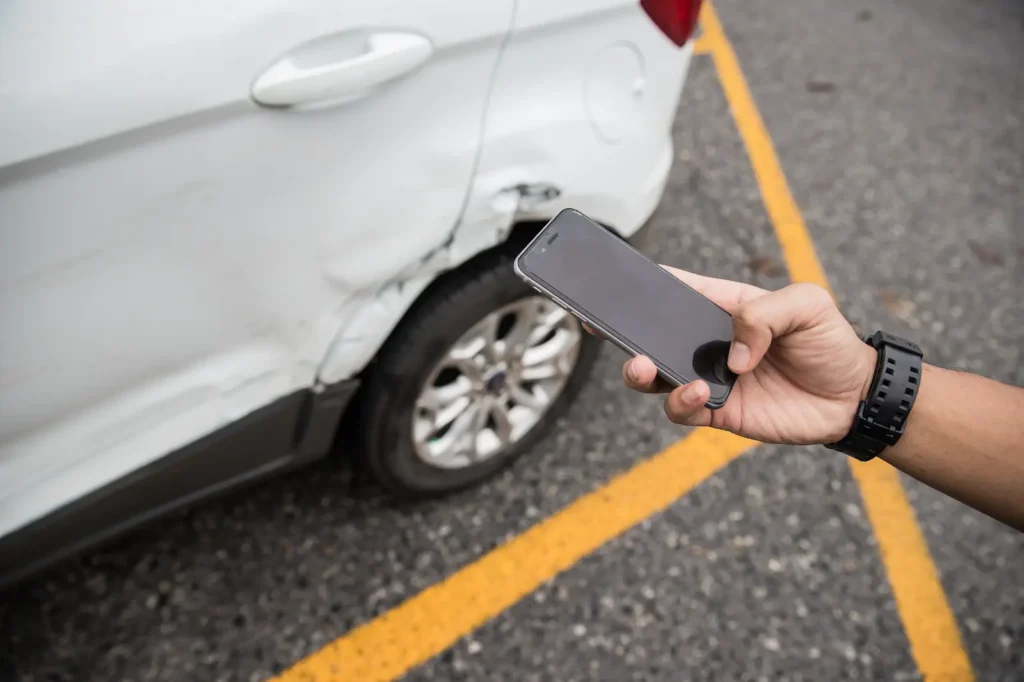
After an accident, filing an insurance claim is often one of the first steps toward repairing your vehicle. While every policy is different, working with an experienced collision repair shop can help make the process more straightforward by providing accurate documentation, detailed repair estimates, and ongoing communication throughout the repair.
A typical insurance claim process includes:
1. Vehicle Damage Assessment
The repair process begins with a comprehensive inspection to document both visible and hidden collision damage. Technicians evaluate the vehicle, take photos, and identify all repairs needed to restore it safely.
2. Collision Repair Estimate
A detailed collision repair estimate is prepared outlining the recommended repairs, labor, replacement parts, and refinishing procedures. This estimate is submitted to the insurance company for review when required.
3. Insurance Review
Depending on your policy, an insurance adjuster may inspect the vehicle or review the repair documentation before authorizing repairs. If additional damage is discovered during disassembly, a supplemental estimate may be submitted for approval.
4. Repair Authorization
Once repairs are approved, work begins according to the repair plan. Depending on the damage, this may include structural repairs, auto body repair, parts replacement, paint refinishing, and final quality inspections.
How to Choose a Collision Repair Shop
Many drivers believe they must use the repair shop recommended by their insurance company, but that is not always the case. In most situations, you have the right to choose the collision repair center you trust to repair your vehicle.
Selecting a qualified repair facility allows you to choose a team that prioritizes quality workmanship, clear communication, and manufacturer-recommended repair procedures throughout the process.
How World Auto Body Helps
At World Auto Body, we work with many insurance providers to help simplify the repair process. Our team assists with damage documentation, repair estimates, communication with adjusters, and repair approvals, helping reduce delays and keep your repairs moving forward as efficiently as possible.
Frequently Asked Questions
What is collision repair?
Collision repair is the process of restoring a vehicle after it has been damaged in an accident. Depending on the extent of the damage, repairs may include auto body repair, frame repair, parts replacement, paint refinishing, and inspections to ensure the vehicle is safe to drive.
How long does collision repair usually take?
Repair times vary based on the severity of the damage, parts availability, and the repairs required. Minor cosmetic repairs may take only a few days, while major structural repairs can take several weeks.
Can hidden damage be found after repairs begin?
Yes. Some collision damage isn’t visible until damaged parts are removed during disassembly. If additional repairs are needed, the repair shop will document the findings, update the repair estimate, and obtain approval before continuing.
Will my insurance cover collision repairs?
Insurance coverage depends on your individual policy. If you carry collision coverage, accident-related repairs are often covered after your deductible. Your repair facility can also help provide the documentation needed during the claims process.
Can I choose my own collision repair shop?
In many cases, yes. You are generally free to choose the repair shop you prefer, even if your insurance company recommends another facility. Choosing an experienced collision repair shop allows you to work with technicians you trust and ensures you understand the repair process from start to finish.
Will my vehicle look the same after collision repair?
Professional collision repair services are designed to restore your vehicle as closely as possible to its pre-accident condition. This includes repairing structural damage, replacing damaged components, and using professional paint matching techniques to achieve a seamless finish.
What is the difference between collision repair and auto body repair?
Auto body repair typically focuses on repairing cosmetic damage such as dents, scratches, and damaged body panels. Collision repair is more comprehensive and may also include structural repairs, frame alignment, mechanical inspections, paint refinishing, and repairs to vehicle safety systems.
Where can I find trusted collision repair in San Diego?
If you’re looking for professional collision repair in San Diego, choose a repair facility with certified technicians, advanced repair equipment, insurance claim experience, and a reputation for quality workmanship. At World Auto Body, we proudly help drivers throughout San Diego County restore their vehicles safely after an accident.
Conclusion
Collision damage can affect far more than your vehicle’s appearance. From structural components and safety systems to paint and body panels, every repair plays an important role in restoring your vehicle’s safety, performance, and value.
At World Auto Body, we combine experienced technicians, advanced repair equipment, and manufacturer-recommended repair procedures to deliver high-quality collision repair services you can trust. Whether you’ve experienced a minor accident or extensive collision damage, our team is here to guide you through every step of the repair process.
If your vehicle has been involved in a collision, contact World Auto Body today to schedule a professional damage assessment and receive a detailed collision repair estimate. We’ll help get you safely back on the road with repairs completed to the highest standards.

 How to Repair Rust on a Truck: Complete Rust Repair Guide
- August 23, 2026
 How Much Does Truck Frame Repair Cost?
- August 22, 2026


2 COMMENTS
Sioux Falls Concrete Contractor
August 4, 2026, 8:34 am REPLYGreat topic! Quality collision repair helps restore your vehicle’s safety, appearance, and performance so you can get back on the road with confidence. For professional concrete services and expertise, visit https://www.siouxfallsconcrete.com/.
Fresno Auto Glass Co
September 9, 2026, 10:46 pm REPLYWhen there is a collision, often much needs to be replaced. Making sure the windshield is done properly is important for the safety of the vehicle.