- August 23, 2026
- By WAB_DEV2
- In Uncategorized
- 598
- 2


Rust can start as a small orange spot, paint bubble, or patch of surface corrosion, but it can become much more serious if it reaches the underlying metal. For truck owners, rust is especially important to address because corrosion can affect everything from body panels and rocker panels to the truck frame and suspension mounting points.
Learning how to repair rust on a truck starts with identifying how deeply the corrosion has affected the metal. Light surface rust can often be cleaned, treated, primed, and refinished, while pitted or penetrating rust may require cutting out damaged metal and replacing or welding new material. Frame corrosion is a different situation because it can affect the structural integrity and safety of the truck.
In this guide, we’ll explain how to fix rust on a truck, how to identify different types of corrosion, when DIY truck rust repair may be appropriate, what professional repairs involve, how much repairs can cost, and how to prevent rust from coming back.
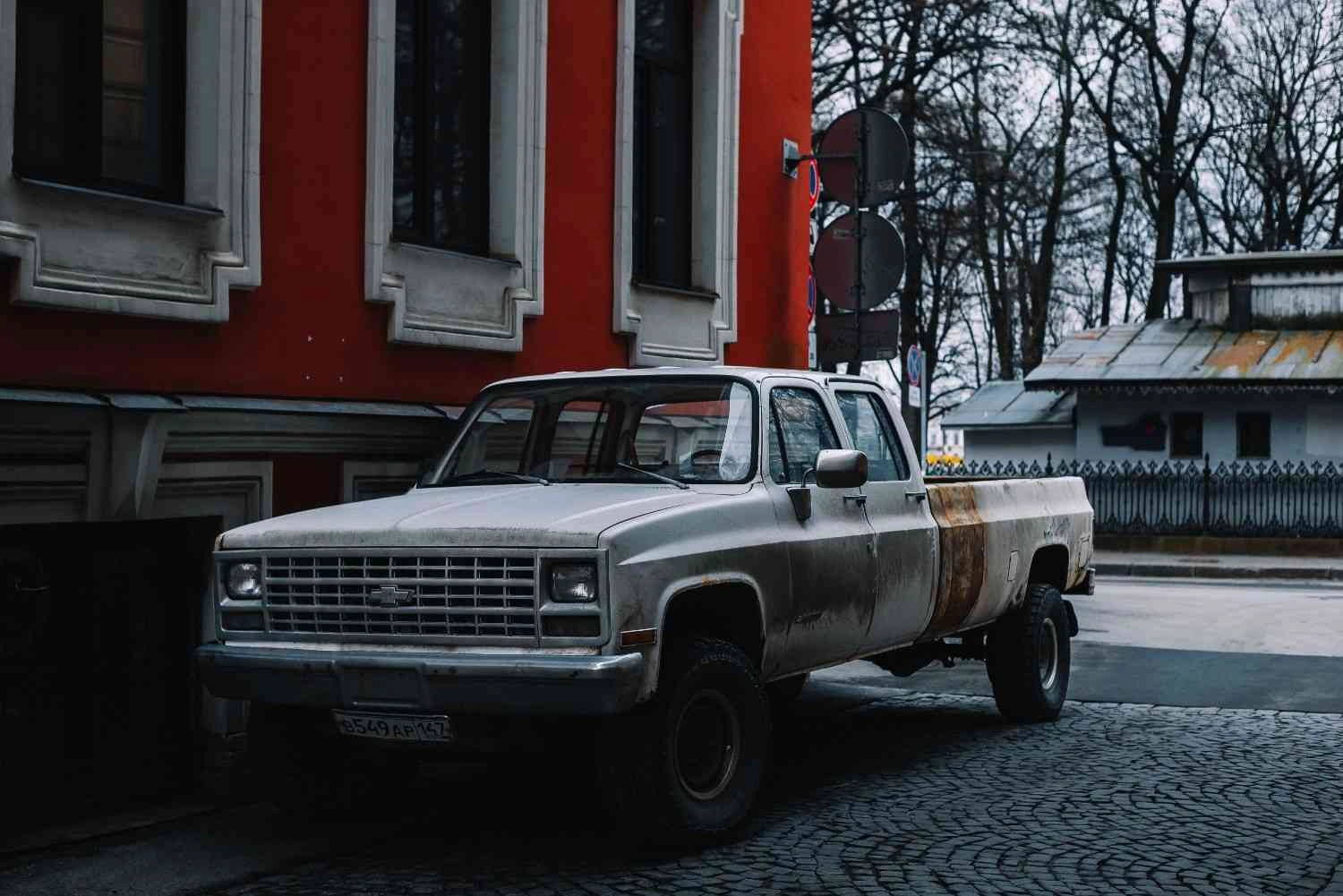
The correct process for fixing rust on a truck depends on how far the corrosion has progressed. Small surface rust can often be addressed with careful preparation and refinishing, while deep rust and rust holes require removal and repair of the damaged metal.
Start by thoroughly cleaning the affected area to remove dirt, road salt, grease, loose paint, and other contaminants. Once the surface is clean and dry, inspect the rust carefully.
Look for:
Cleaning the area first helps reveal the actual extent of the corrosion rather than treating only the visible surface.
Surface rust and loose corrosion need to be removed before applying any treatment or paint. Depending on the severity, this may involve a wire brush, sanding, or mechanical grinding.
For light corrosion, sanding can expose clean metal around the affected area. More advanced corrosion may require removing significantly more material to determine whether the metal underneath remains structurally sound.
Simply painting over active rust usually does not stop the corrosion from continuing underneath the new finish.
Once loose rust has been removed, the remaining corrosion should be treated using a product appropriate for the affected metal and repair system.
Rust treatment can help address residual corrosion before the area is primed and refinished. However, rust treatment is not a substitute for removing metal that has already been weakened, perforated, or structurally compromised.
If corrosion has created deep pits or holes, sanding alone will not restore the strength of the metal.
Depending on the location and severity, repair may involve:
Body panels and structural frame components require different repair approaches. Structural repairs should be evaluated by a qualified technician before welding or reinforcement is attempted.
Once the metal has been properly repaired and prepared, the area should be protected against future corrosion.
A typical refinishing process include:
Proper refinishing restores the appearance of the truck while creating a protective barrier against moisture and environmental exposure.
The repair should not end when the rust disappears. Keeping the repaired area protected is essential to preventing corrosion from returning.
Regular washing, especially after exposure to road salt or corrosive debris, combined with periodic inspection and appropriate corrosion protection can significantly reduce future rust problems.
Before deciding how to repair rust on a truck, determine how deeply the corrosion has affected the metal. Rust can range from superficial discoloration to severe corrosion that has eaten through load-bearing components.
Surface rust is usually the earliest stage of corrosion. It appears as orange or brown discoloration on the surface of the metal while the underlying material remains relatively solid.
This type of corrosion can often be addressed through:
Early truck rust removal can prevent surface corrosion from progressing into deeper damage.
Small rust spots often appear where the paint has been chipped by road debris, scratches, or impacts. Bubbling paint can indicate that corrosion has already developed underneath the painted surface.
If the affected area is cleaned and repaired early, the damage may remain relatively localized. If the bubbling continues spreading, however, the metal underneath may already be deteriorating.
Pitting occurs when corrosion begins eating into the metal itself. The surface becomes rough, uneven, and increasingly difficult to restore through sanding alone.
Penetrating rust is more advanced and may create:
At this stage, the damaged metal may need to be removed and replaced rather than simply treated.
Frame rust requires particular attention because the frame supports major vehicle components and contributes to overall structural strength.
Signs of serious frame corrosion can include:
If corrosion has reached structural components, truck frame rust repair should begin with a professional inspection rather than a cosmetic rust treatment.
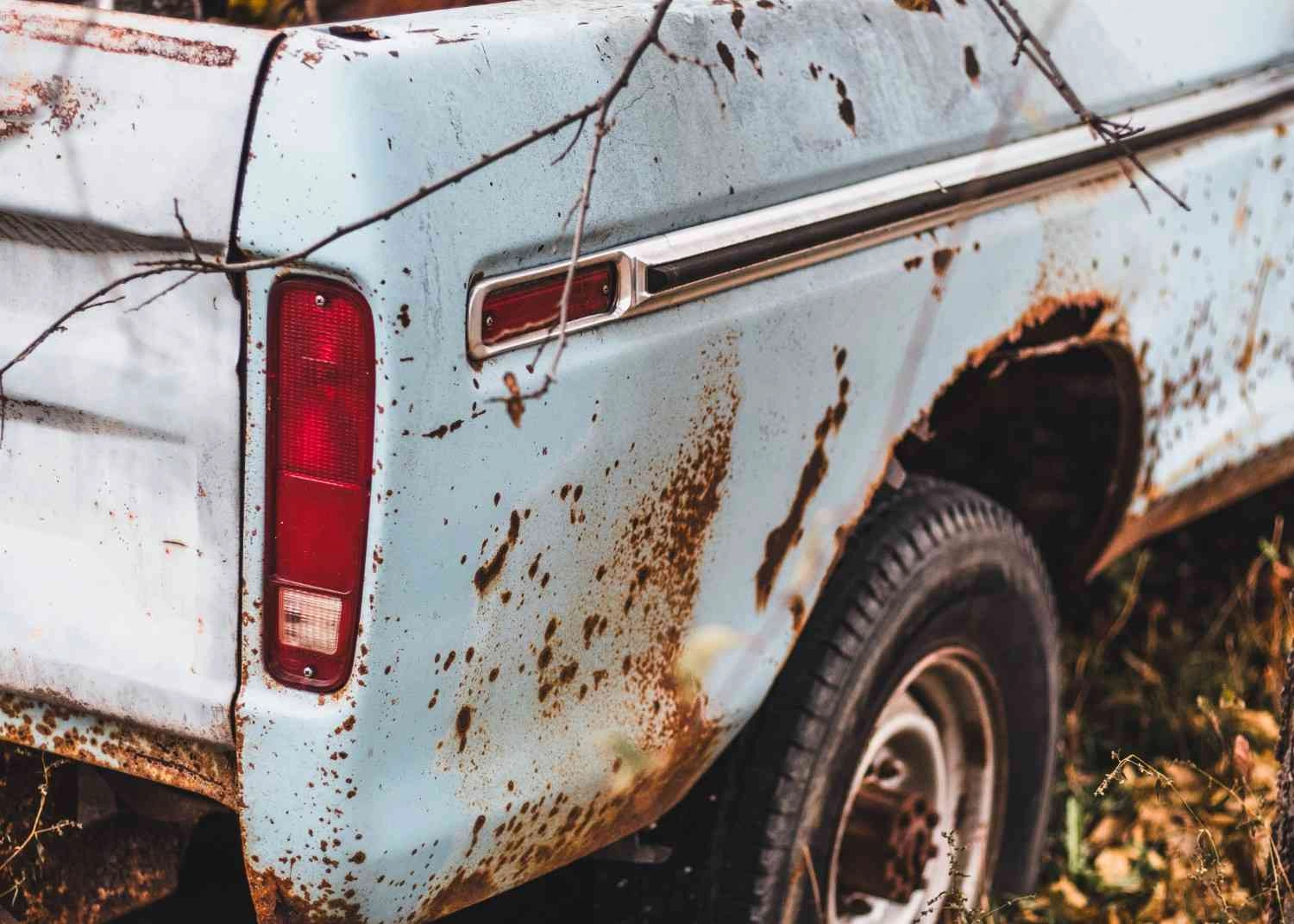
Not every rust spot requires extensive bodywork. The appropriate repair depends on whether the corrosion is limited to the surface or has penetrated the metal.
Small rust spots can sometimes be repaired by removing the corrosion, treating the affected metal, applying primer, and refinishing the area.
The sooner these spots are addressed, the less likely they are to spread underneath the surrounding paint.
Rust bubbles should not simply be sanded on the surface and painted over. The bubbling may indicate corrosion underneath the surrounding paint and metal.
The affected area should be opened and inspected to determine how far the corrosion has spread before refinishing.
Once rust has eaten completely through a body panel, the missing metal needs to be restored.
Depending on the location and size of the hole, the repair may involve cutting out the damaged section and welding in replacement metal or replacing the affected panel.
Professional truck body rust repair is recommended when corrosion is spreading, has created holes, affects multiple layers of metal, or returns after previous repairs.
A technician can determine whether the affected panel can be restored or whether replacement is the more reliable option.
Truck bodies are particularly vulnerable to corrosion in areas where moisture, road salt, mud, and debris can accumulate. Seams, lower body panels, wheel wells, and enclosed areas can be especially difficult to inspect and clean.
The truck bed floor is exposed to water, dirt, cargo impacts, and debris that can damage protective coatings. Rust can develop around seams, wheel wells, drain areas, and damaged paint.
Rusted truck bed repair may involve corrosion removal, metal repair, patching, or replacement of severely damaged sections.
Fenders and wheel openings are frequently exposed to road debris and moisture. Rust around the wheel arch can spread underneath the paint and eventually weaken the panel. Early truck fender rust repair can prevent localized corrosion from becoming more extensive body damage.
Rocker panels sit close to the road and are regularly exposed to water, salt, mud, and debris.
Truck rocker panel rust repair can range from localized corrosion treatment to cutting out and replacing severely rusted sections.
Door bottoms and cab corners can trap moisture and debris, making them common locations for corrosion. Rust may begin beneath the paint before becoming visible from the outside.
Wheel wells and lower body panels receive constant exposure to water and road debris. Damaged paint or protective coatings can allow corrosion to develop and spread
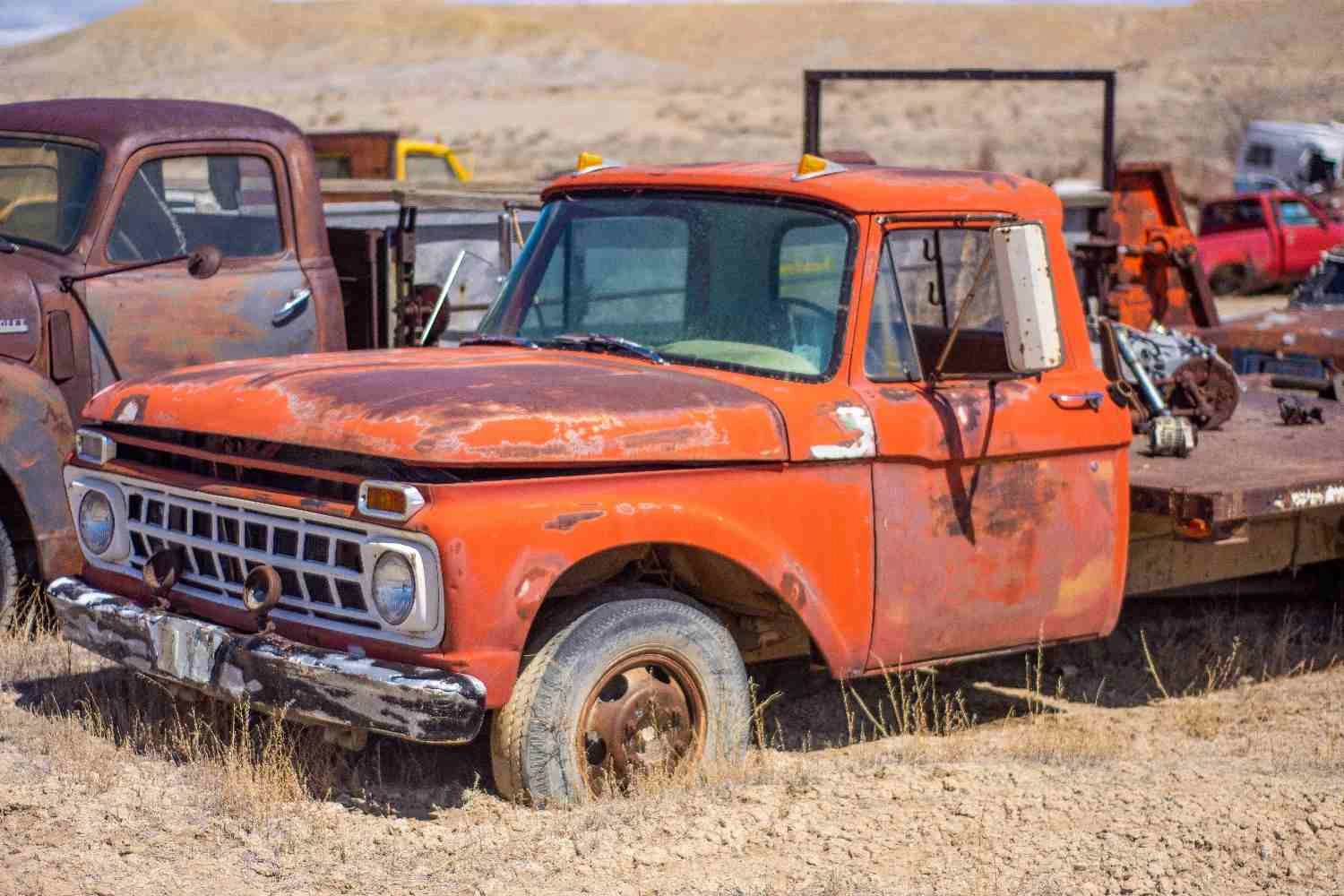
A rusted truck frame requires a different approach from cosmetic body rust. The frame is a load-bearing structural component, so repairs must address the condition and strength of the remaining metal.
A proper inspection should evaluate the entire frame rather than only the visible rust.
Technicians may inspect:
The goal is to determine how much structurally sound metal remains and whether the corrosion has affected critical areas.
Surface corrosion may be removed through mechanical cleaning and appropriate rust treatment.
However, deeply scaled, perforated, or structurally weakened metal cannot simply be coated with a rust inhibitor. Compromised sections may need to be removed before sound replacement material can be installed.
Depending on the damage, truck frame repair may involve structural welding, reinforcement, or replacement of a damaged frame section.
The repair method should be based on the truck manufacturer’s repair procedures and the condition of the frame rather than applying a generic patch to weakened metal.
Frame replacement may be considered when corrosion has affected a substantial portion of the structure, the remaining metal cannot safely support the required loads, or the frame cannot be restored according to appropriate repair specifications.
A professional structural assessment should be completed before deciding between repair and replacement.
Rust repairs can fail when the visible corrosion is treated without addressing the underlying problem.
Applying paint over active corrosion can trap the problem underneath the new finish. Proper preparation is essential before primer and paint are applied.
Body filler can help restore cosmetic surfaces but should not be used as a substitute for structural metal repair.
A weakened frame rail or structural component requires an appropriate metal repair rather than a cosmetic patch.
Rust can spread behind panels, inside seams, or beneath protective coatings. Repairing only the visible surface may leave active corrosion behind.
Some truck frames contain enclosed sections where moisture and corrosion can develop without being immediately visible.
This is one reason a professional frame inspection can be important when serious corrosion is suspected.
A small fender rust spot and corrosion affecting a frame rail are completely different problems.
Frame corrosion should be evaluated as a structural issue rather than treated like ordinary body-panel rust.
Removing the visible rust is only part of the process. The repaired metal should be properly protected to reduce the chance of corrosion returning.
| Truck Frame Rust Repair | Truck Frame Replacement | |
|---|---|---|
| Best for | Localized corrosion where enough structurally sound metal remains | Extensive corrosion or damage affecting major frame sections |
| Extent of damage | Limited to specific areas of the frame | Widespread rust, severe deterioration, or multiple compromised sections |
| Structural condition | Frame can be safely restored through approved repairs | Structural integrity cannot be reliably restored through localized repair |
| Typical repair | Rust removal, reinforcement, patching, welding, or section repair | Major frame section replacement or complete frame replacement |
| Labor required | Usually less extensive, depending on accessibility and damage | Significantly more labor due to disassembly and component transfer |
| Cost | Often ranges from hundreds to several thousand dollars | Can exceed $10,000 depending on truck type, parts, labor, and damage |
| Long-term value | Cost-effective when properly evaluated and performed | May be the better investment when corrosion is too extensive to repair safely |
| Key consideration | Enough sound metal must remain for a safe structural repair | Replacement may be necessary when repair would leave weakened or compromised metal |
DIY rust repair can be appropriate when corrosion is limited to accessible, non-structural areas and has not significantly weakened the metal.
Depending on your experience and equipment, you may be able to address:
These repairs still require proper preparation, rust removal, compatible treatment products, and corrosion-resistant refinishing.
Professional evaluation is recommended for:
If you’re unsure whether the corrosion is cosmetic or structural, an inspection is safer than attempting to repair it yourself.
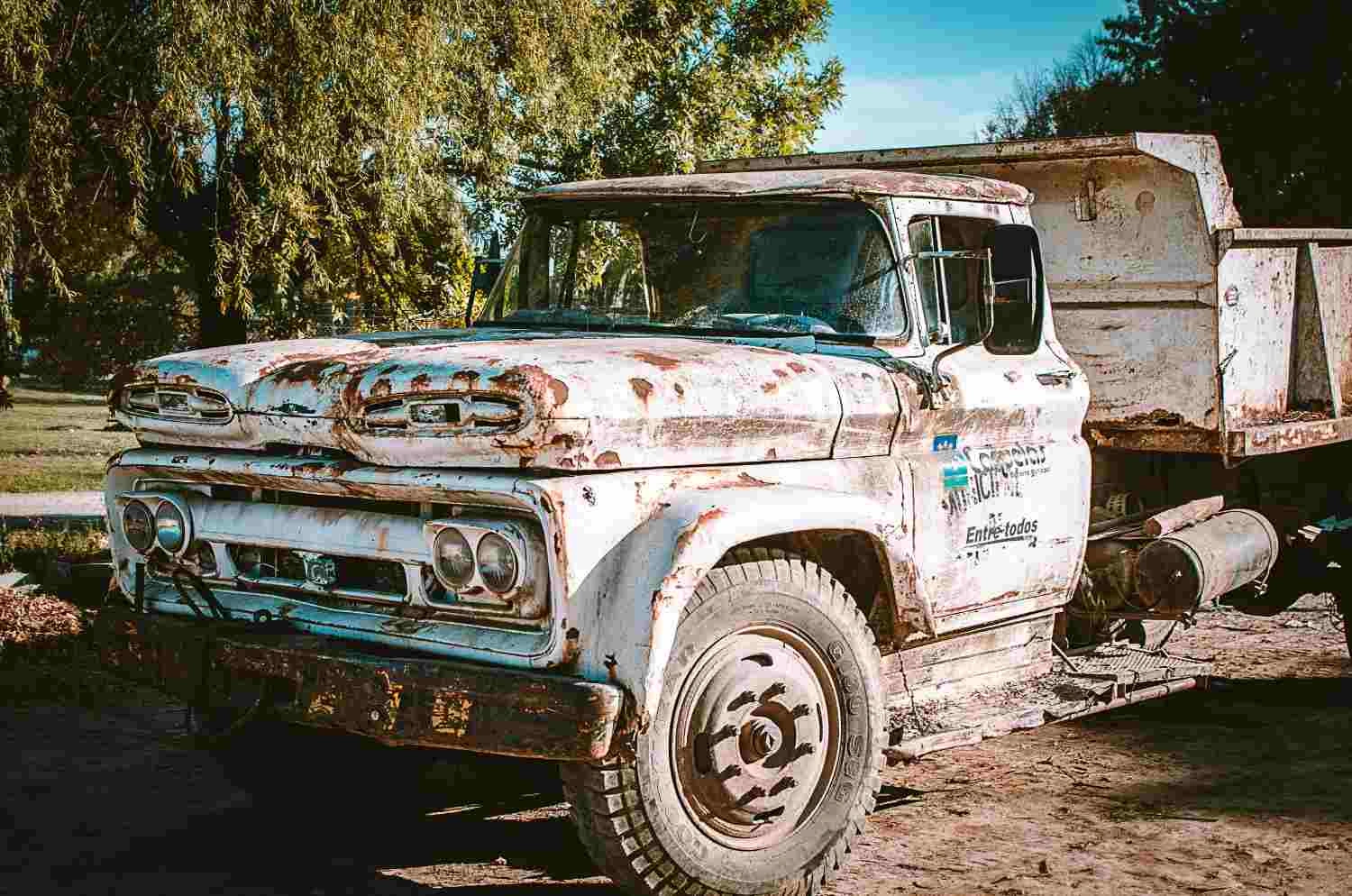
The truck rust repair cost depends heavily on the depth and location of the corrosion. A small surface spot may require relatively little material and labor, while penetrating rust can require cutting, welding, fabrication, panel replacement, and refinishing.
As a general guide:
These ranges are only general estimates. The final cost to repair rust on a truck depends on labor, accessibility, amount of corrosion, replacement materials, welding or fabrication requirements, and paint or refinishing work.
Several factors can quickly increase the final repair estimate:
Once you’ve completed truck rust removal, protecting the repaired area is essential to prevent corrosion from returning.
Regularly wash the truck, including the underside and wheel wells, to remove moisture, salt, mud, and debris that can accelerate corrosion.
Check the frame, suspension mounting areas, cross-members, and other exposed metal for new corrosion, flaking, or damaged protective coatings.
Small paint chips can expose bare metal to moisture. Repairing them early can prevent localized corrosion from developing.
Blocked drainage points can allow water to remain trapped around body panels, rocker panels, doors, and other areas prone to corrosion.
Depending on the truck and environment, appropriate corrosion-protection products can help protect exposed metal and reduce moisture-related deterioration.
After driving through heavy rain, mud, salted roads, or areas with significant road debris, inspect the underbody and lower body panels for damage.
When rust affects the truck frame, professional truck frame rust repair can help determine whether the structure can be safely restored or requires more extensive replacement.
At World Auto Body, our technicians evaluate frame corrosion, structural damage, alignment, and related components before recommending a repair plan. Depending on the condition of the frame, repairs may include structural restoration, frame straightening, reinforcement, welding, or replacement of damaged sections.
If you’re searching for truck frame repair near me after discovering serious corrosion or collision-related damage, a professional inspection can help identify the full extent of the problem before you invest in repairs.
A collision can damage more than the visible body panels. An impact may scrape away protective coatings, crack paint, expose bare metal, or distort structural components, creating conditions where corrosion can develop.
Post-collision truck repair may involve:
If rust developed after an accident, it’s important to address both the corrosion and the original collision damage. Otherwise, the underlying structural or body problem may continue to cause deterioration.
The repair depends on the severity of the corrosion. Surface rust can often be removed, treated, primed, and refinished, while rust holes and structural corrosion may require cutting out damaged metal and welding or replacing new material.
Small rust spots can often be repaired by removing the affected paint and corrosion, treating the remaining metal, applying primer, and refinishing the area. If the rust has penetrated the metal, additional body repair may be required.
In some cases, yes. Localized frame corrosion may be repairable if enough structurally sound metal remains and the repair can be performed safely according to appropriate repair procedures. Severe corrosion may require section or complete frame replacement.
Truck rust removal generally involves cleaning the area, mechanically removing loose corrosion, treating remaining rust, and protecting the exposed metal with appropriate primer and refinishing materials.
The cost varies based on the location and severity of the rust, labor, materials, welding or fabrication requirements, and whether structural components are involved. Minor repairs can be relatively inexpensive, while extensive frame corrosion can cost several thousand dollars or more.
Light surface corrosion does not necessarily mean a truck is unsafe to drive. However, deep rust, holes, cracks, weakened frame rails, or corrosion around suspension mounting points can compromise structural integrity and should be professionally inspected before continued driving.
Remove the underlying corrosion, properly repair the damaged metal, apply appropriate corrosion protection, maintain the paint finish, and regularly clean and inspect areas exposed to moisture, road salt, and debris.
The appropriate truck frame rust treatment depends on the severity of corrosion. Surface rust may be cleaned and treated, while deeply corroded or structurally weakened frame sections require professional structural repair rather than simply applying a rust treatment product.


2 COMMENTS
Shreveport Auto Glass
September 9, 2026, 10:28 pm REPLYThis is helpful for anyone who wants to know more about preventing and getting rid of rust.
Laredo Mobile Diesel
September 18, 2026, 10:31 pm REPLYVery useful information for auto repair and restoration.