- August 22, 2026
- By WAB_DEV2
- In frame repair
- 330
- 3

Truck frame repair costs can vary significantly depending on the type of truck, severity of the damage, repair method, and amount of labor required. A minor crack or alignment issue may cost around $500 to $1,500, while more extensive structural repairs can range from $5,000 to $15,000 or more. Complete frame replacement can exceed $20,000 on larger commercial and heavy-duty trucks.
Because every frame-damage situation is different, the actual truck frame repair cost cannot be determined from the damage alone. A professional inspection is needed to determine whether the frame can be straightened, welded, reinforced, partially replaced, or requires complete replacement.
The truck frame is the structural foundation that supports the cab, body, suspension, drivetrain, and other major components. When the frame becomes bent, cracked, twisted, or severely corroded, it can affect alignment, handling, load distribution, and vehicle safety.
Truck frame damage can result from:
Common problems include bent frame rails, cracked welds, twisted or diamond-shaped frames, corrosion-related deterioration, damaged cross-members, and compromised suspension mounting points.
The type of damage determines whether truck frame repair, reinforcement, straightening, or replacement is the appropriate solution.
Several factors determine the final frame damage repair cost. Two trucks with similar-looking damage can have very different repair bills depending on their size, construction, accessibility, and the extent of hidden damage.
A light-duty pickup generally requires less labor and fewer specialized components than a commercial truck or semi-truck. Heavy-duty frames can also require specialized measuring and alignment equipment, increasing the overall repair cost.
A localized crack or minor bend is generally less expensive to repair than a severely twisted, bent, or corroded frame. Hidden damage can also increase the scope of repairs once the frame is fully inspected.
The repair method has a major impact on pricing. Depending on the condition of the frame, repairs may involve welding, straightening, reinforcement, rust repair, partial frame replacement, or complete frame replacement.
For example, minor crack welding or basic straightening may cost hundreds to a few thousand dollars, while major rail replacement can cost significantly more.
Replacement frame sections, reinforcement plates, fasteners, welding materials, suspension components, and other specialized parts can all affect the final estimate. Heavy-duty trucks may require more expensive components and additional labor.
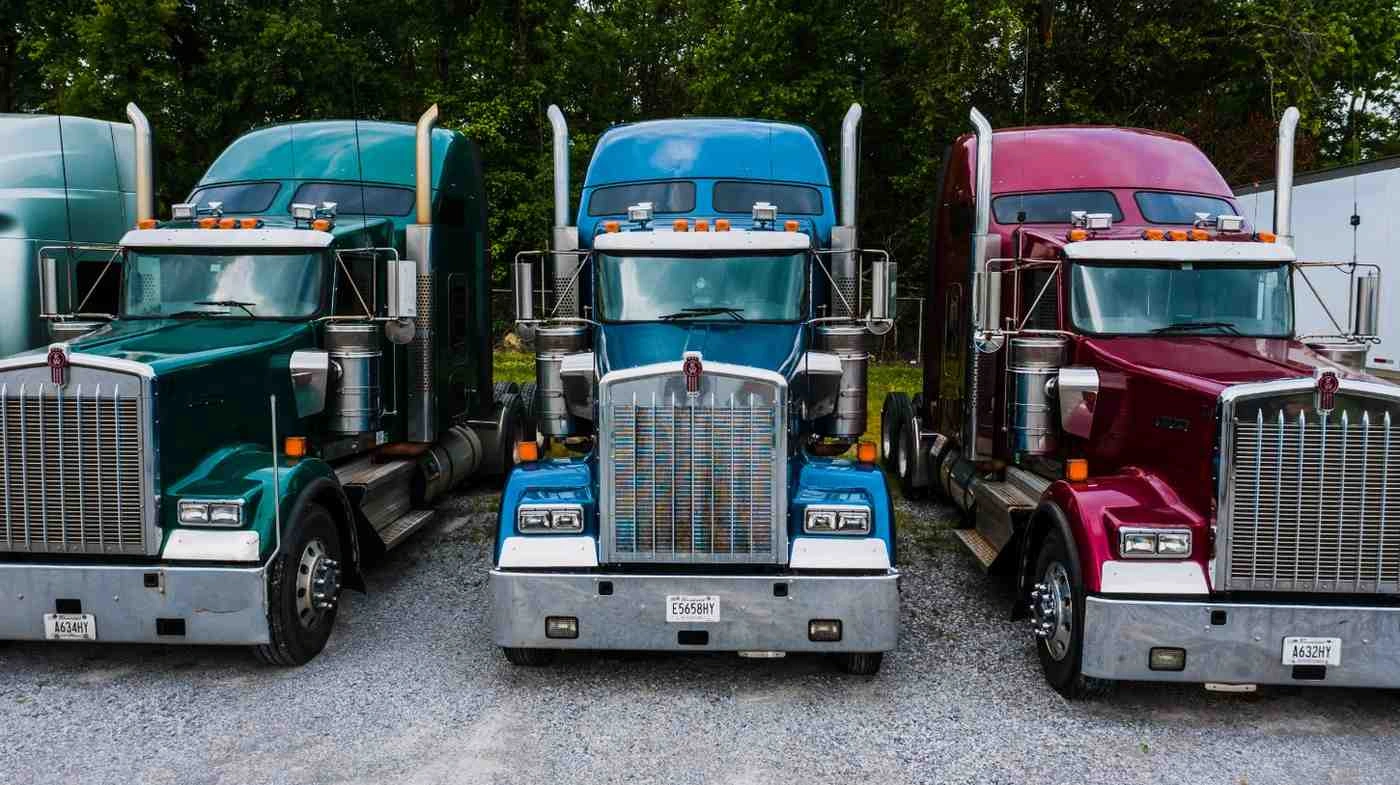
The type of truck is another major factor when estimating truck frame repair cost. Larger and heavier vehicles generally require more specialized equipment, additional labor, and more extensive disassembly.
Pickup truck frame repairs can range from relatively simple crack welding and alignment corrections to more extensive rust repair or frame section replacement. Older pickups with corrosion may also require additional structural work.
Box trucks, flatbeds, delivery trucks, and other commercial vehicles often require more extensive frame inspections because they operate under heavier loads and accumulate more mileage.
Commercial truck frame repair may involve frame straightening, reinforcement, welding, or partial rail replacement.
Heavy-duty trucks have larger structural components and may require specialized frame measuring and alignment equipment. More severe damage can involve suspension, axle, and mounting-point repairs in addition to the frame itself.
Semi-truck frames can be especially expensive to repair because of their size, construction, and the amount of equipment and labor required. Structural alignment, rail repair, cross-member damage, and suspension mounting points may all need to be evaluated.
For fleet operators, frame damage can create more than a repair expense, it can also lead to vehicle downtime. A thorough inspection and accurate repair plan can help fleet managers understand the repair scope and determine the fastest safe path back to service.
The severity of frame damage is one of the biggest factors affecting truck frame repair cost. A minor crack or localized rust issue may require a relatively simple repair, while severe distortion or structural failure can require extensive disassembly, section replacement, or complete frame replacement.
| Damage Severity | Typical Damage | Common Repair Methods |
|---|---|---|
| Minor | Small cracks, localized corrosion, slight bends, or minor alignment issues | Crack welding, basic straightening, localized truck frame rust repair, or reinforcement |
| Moderate | Larger bends, localized rust deterioration, damaged mounting points, or multiple affected areas | Computerized frame measuring, structural straightening, welding, reinforcement, or partial repair |
| Severe | Significant bending, twisting, major cracks, or extensive corrosion affecting multiple structural areas | Advanced frame straightening, structural welding, component replacement, and additional disassembly |
| Extreme | Major frame distortion, widespread corrosion, structural failure, or severely compromised frame rails | Partial frame section replacement or complete frame replacement |
A truck frame can look repairable from the outside while still having structural problems that are difficult to see without proper measuring and inspection. Hidden damage is one of the biggest reasons an initial truck frame repair cost can increase after disassembly.
A professional frame inspection should look beyond visible bends or cracks and check the entire chassis for secondary damage.
Small cracks can develop around welds, mounting points, frame joints, and other areas exposed to repeated stress. These cracks may be difficult to identify during a basic visual inspection but can weaken the frame if left untreated.
When additional cracks or metal fatigue are discovered, the repair may require more extensive welding, reinforcement, or replacement of the affected section, increasing the overall cracked truck frame repair cost.
A collision can cause the frame to twist or develop a condition commonly known as diamond distortion, where the frame is no longer square. The truck may still appear relatively normal, but wheel alignment, suspension geometry, and handling can be affected.
Correcting this type of damage often requires computerized frame measuring and specialized straightening equipment. The additional measuring and alignment work can significantly increase the frame damage repair cost compared with a simple straightening or welding repair.
The frame supports important suspension components, so an impact can damage mounting brackets even when the main frame rail does not appear severely bent.
Damaged brackets or mounting points may require repair or replacement, followed by suspension and alignment checks. These additional repairs can increase the total cost because the problem extends beyond the frame itself.
Rust can weaken a truck frame gradually and may be more extensive beneath the surface than it first appears. Severe corrosion can affect frame rails, mounting points, cross-members, and other structural areas.
The cost to repair a rusted truck frame depends on how much structurally sound metal remains. Minor surface corrosion may require treatment and localized repair, while advanced rust or rot may require cutting out damaged sections and welding in replacement material.
A severely distorted frame can shift the position of components mounted to the chassis, including parts of the drivetrain, suspension, exhaust, or other systems.
Correcting these problems may require additional inspection, component adjustment, replacement parts, or alignment work. As a result, the final truck frame repair cost can be considerably higher than the original estimate based only on visible frame damage.
The more hidden damage technicians find, the more extensive the repair becomes. A truck that initially appears to need a simple frame straightening may ultimately require welding, rust repair, suspension repairs, structural reinforcement, or partial frame replacement.
That’s why a detailed inspection and computerized frame measurement should be completed before determining the final repair plan. Identifying hidden damage early helps ensure that the truck frame repair addresses the actual structural problem rather than only the damage that is visible.
Frame damage isn’t always obvious. Some trucks may still be drivable even when the underlying structure has been compromised. If you notice any of these warning signs, a professional truck frame inspection can determine whether truck frame repair or replacement is needed:
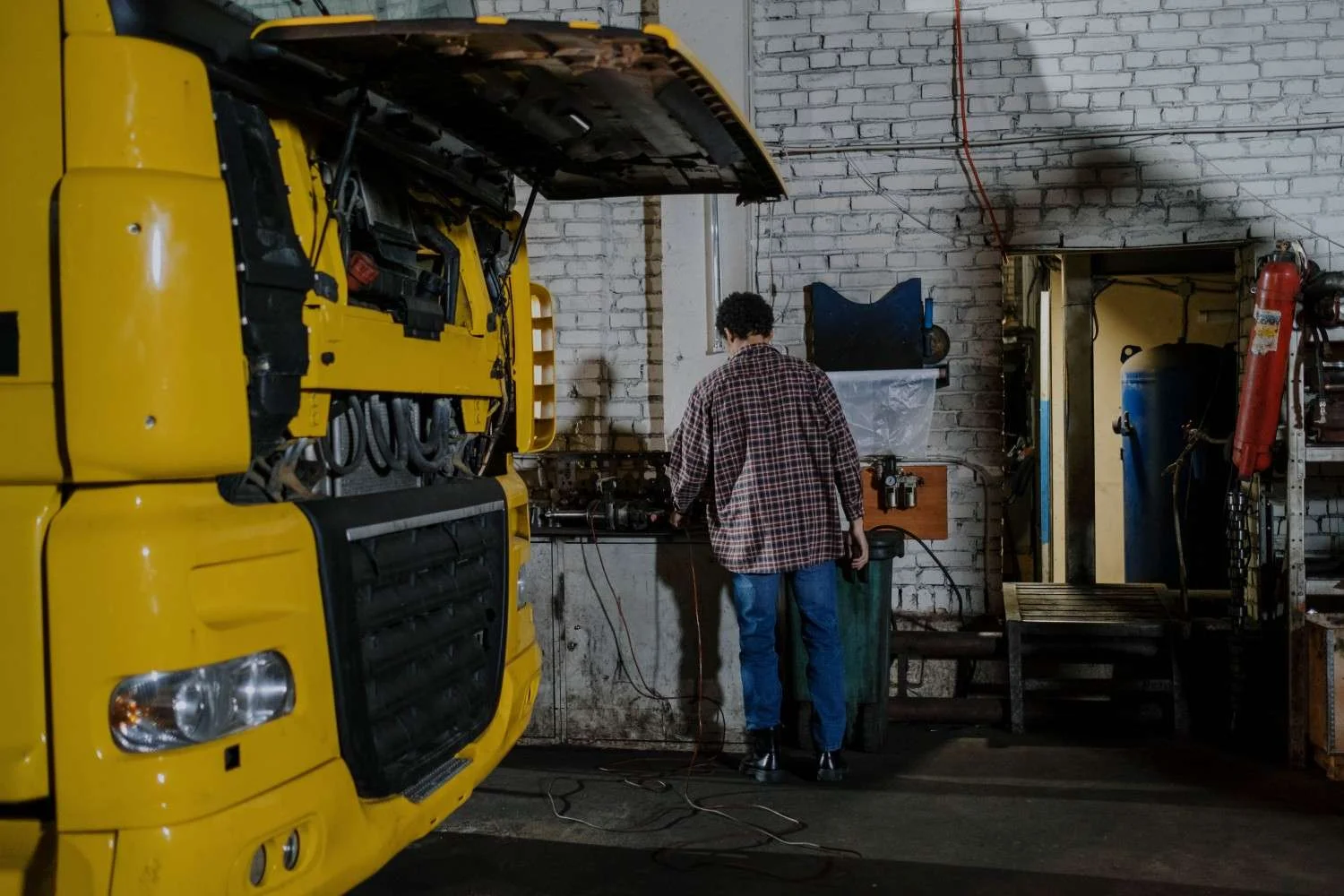
The difference between truck frame repair cost and truck frame replacement cost can be substantial.
Localized repairs such as crack welding, rust repair, reinforcement, or frame straightening may cost considerably less than replacing an entire frame or major rail section.
Truck Frame Replacement Cost
Which Is More Cost-Effective?
If the existing frame can be safely restored to the required structural specifications, truck frame repair is often considerably less expensive than full replacement. However, when damage is extensive or repair costs approach the cost of a replacement frame, replacement may provide better long-term value.
The best way to compare the two is through a professional frame inspection and detailed estimate that accounts for labor, parts, structural repairs, disassembly, and hidden damage.
Insurance may cover truck frame repair when the damage results from a covered collision or accident, but coverage depends on your policy, the type of coverage you carry, and the circumstances of the damage. If the frame was damaged in a crash, your insurer may cover eligible repairs subject to your deductible and policy limits.
Frame damage caused by rust, corrosion, neglect, overloading, or long-term deterioration is generally treated differently and may not be covered as collision damage. Your insurance provider can determine whether the specific damage qualifies for coverage based on the cause and terms of your policy.
To support an insurance claim, the repair facility may provide:
Truck frame damage often occurs as part of a larger collision. What looks like a bent frame may also involve damaged body panels, suspension components, steering systems, or other structural parts. When your truck cannot be safely driven after an accident, having towing and collision repair handled by the same facility can make the recovery process much easier.
At World Auto Body, we provide complete truck repair solutions, including:
If your truck has suffered significant frame damage, avoid driving it until it has been professionally inspected. Our team can help coordinate towing, assess the collision damage, determine the appropriate truck frame repair, and manage the restoration process from initial inspection through final repair.
The cost of a replacement truck frame varies by truck type, make and model, frame availability, labor, and installation requirements. A complete frame replacement can cost substantially more than localized repairs because the cab, body, suspension, drivetrain, and other components may need to be transferred.
Yes, many truck frames can be repaired when the damage is localized and the structural integrity of the frame can be safely restored. The appropriate method may include straightening, welding, reinforcement, or partial section replacement.
Driving with serious frame damage can be unsafe because structural problems may affect alignment, handling, suspension geometry, and the truck’s ability to respond properly in an accident. If you suspect frame damage, have the truck professionally inspected before continuing to drive it.
The truck frame repair cost depends on the truck’s size, damage severity, repair method, labor, parts, and hidden damage. Minor repairs may cost hundreds or a few thousand dollars, while extensive structural repairs can reach $10,000 or more.
Insurance coverage for a rotted or rusted frame depends on the cause of the damage and the policy. Corrosion from normal aging is generally treated differently from frame damage caused by a covered collision. Your insurer can confirm whether the specific damage qualifies for coverage.
Many damaged frames can be repaired, provided the damage can be safely corrected and the frame can be restored to the required structural specifications. A professional inspection is necessary to determine whether repair or replacement is appropriate.
Repair time varies according to the severity of the damage, truck type, parts availability, and required disassembly. Minor repairs may take a few days, while major structural repairs or frame replacement can take considerably longer.
Subframe coverage depends on the cause of the damage and the vehicle’s insurance policy. Collision-related subframe damage may be covered when the policy includes the applicable coverage, while deterioration or maintenance-related damage may not be covered.


3 COMMENTS
Mobile AL Auto Glass
September 9, 2026, 10:30 pm REPLYGreat info on the frame. There is a lot to consider even when thinking about how it impacts the windshield.
Knoxville Mobile Diesel
September 18, 2026, 10:33 pm REPLYTruck frames for diesel vehicles can be a major expense and this is valuable information for all who are interested or on the market.
Little Rock Mobile Diesel
September 18, 2026, 10:35 pm REPLYVery good information and considerations when someone is purchasing a new truck frame.