- July 12, 2026
- By WAB_DEV2
- In Uncategorized
- 296
- 0


Your RV roof is your first line of defense against rain, sun, wind, and road debris. Even a small crack, puncture, or failed seal can allow water to enter, leading to costly repairs, structural damage, mold growth, and interior deterioration if left untreated.
Learning how to repair an RV roof can help prevent small issues from becoming costly structural damage. While some minor maintenance tasks and simple repairs can be completed by experienced RV owners, more extensive damage often requires professional RV roof repair to ensure the roof remains watertight and structurally sound.
In this guide, we’ll explain the different types of RV roofs, common causes of damage, warning signs to watch for, how to repair an RV roof leak, and when it’s best to leave repairs to certified professionals.
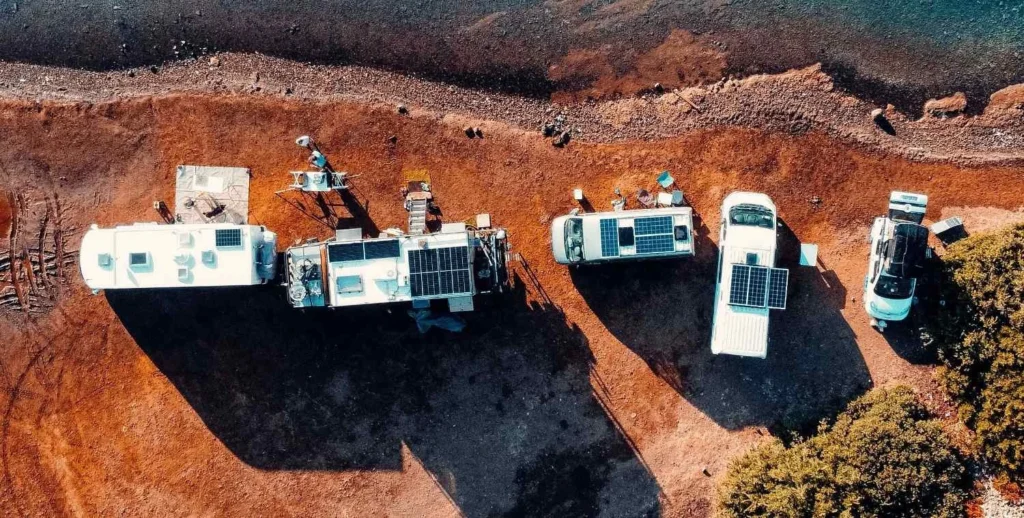
Before beginning any RV roof repair, it’s important to know which type of roof your RV has. Different materials require different repair methods, sealants, and maintenance procedures.
EPDM (Ethylene Propylene Diene Monomer) is one of the most common roofing materials found on RVs. It is lightweight, flexible, and resistant to weather, making it a popular choice for many manufacturers.
EPDM roofs typically require:
Proper EPDM roof repair helps extend the life of the roofing membrane and prevents moisture from reaching the underlying structure.
TPO (Thermoplastic Polyolefin) roofs offer improved UV resistance and durability compared to older rubber membranes. Although they require less maintenance than EPDM, they can still develop seam failures, punctures, or impact damage over time.
Professional TPO RV roof repair often involves specialized repair materials designed specifically for this type of membrane.
Many Class A motorhomes and premium RVs feature fiberglass roofs. These roofs are durable and attractive but may crack after collisions, falling branches, or prolonged exposure to harsh weather.
Fiberglass RV roof repair often involves:
Although less common on newer RVs, aluminum roofs are still found on many older models. They resist rust but may dent, loosen at seams, or develop leaks around fasteners.
Regardless of the roofing material, regular inspections and preventive RV roof maintenance help identify problems before major repairs become necessary.
Even well-maintained RV roofs experience wear over time. Understanding the most common causes of damage allows owners to address problems early and avoid expensive repairs.
Continuous exposure to sunlight, heavy rain, hail, snow, and fluctuating temperatures gradually weakens roofing materials. UV rays can dry out sealants, while moisture may penetrate small cracks and seams.
Low-hanging branches, storm debris, and falling objects can puncture roofing membranes or crack fiberglass roofs. Even minor impact damage should be inspected to prevent hidden leaks.
Sealants naturally deteriorate over time. Once they begin cracking or separating, water can enter around roof vents, skylights, antennas, and air conditioning units. Routine inspections and resealing are essential parts of effective RV roof maintenance.
Ignoring routine inspections allows minor problems to become major repairs. Dirt accumulation, clogged drainage areas, and neglected sealants all increase the risk of RV roof leaks.
Accidents involving low clearances, overhanging structures, bridges, or tree limbs frequently damage RV roofs. Unlike ordinary weather damage, collision-related roof damage may also affect the RV’s body panels, structural components, and framing. These situations often require complete RV collision repair, collision repair, and RV roof restoration performed by experienced technicians.
Many roof problems develop gradually before becoming obvious. Recognizing the warning signs early helps prevent water intrusion and structural deterioration.
Common indicators:
Even if damage appears minor, it’s important to perform a professional roof inspection before moisture spreads into insulation, wood framing, or electrical systems.
The appropriate repair method depends on both the roofing material and the extent of the damage. Small punctures or deteriorated sealant can often be repaired, while widespread deterioration or structural damage may require RV roof replacement. Using repair materials specifically designed for your roof type is essential for a durable repair.
A typical RV roof repair process includes:
Repairing an RV roof leak begins by locating the true source of the leak, which isn’t always directly above the visible water damage inside the RV.
The general repair process includes:
Although many owners attempt DIY RV roof repair, larger leaks or widespread membrane damage should be repaired professionally to avoid recurring water intrusion.
One of the biggest risks of delaying RV roof leak repair is hidden structural damage.
Water can travel well beyond the visible leak, affecting:
Over time, untreated leaks may cause mold growth, wood rot, roof delamination, and structural weakening that significantly increase repair costs. Repairing the leak early helps protect both your RV and its long-term value.
Not every damaged RV roof needs to be replaced. In many cases, a professional RV roof repair can restore the roof’s integrity and prevent further damage. However, extensive deterioration or widespread water intrusion may make a full replacement the better long-term investment.
Timely RV roof leak repair can significantly extend the life of your roof while avoiding more costly structural repairs.
A professional inspection is the best way to determine whether repairing or replacing the roof is the safest and most cost-effective solution.
While some maintenance tasks and small repairs can be completed by experienced RV owners, larger repairs often require specialized equipment, proper materials, and expert knowledge. Attempting complex repairs without the right experience can allow hidden leaks to continue or create additional damage.
Professional RV roof repair is recommended when your RV has:
At World Auto Body, our technicians inspect both visible and hidden damage to ensure the entire repair is completed correctly. In addition to RV roof repair, we provide RV Collision Repair, complete Collision Repair, structural restoration, body repairs, paint refinishing, and insurance claim assistance. If your RV cannot be driven safely after an accident, we can also arrange professional RV Towing directly to our repair facility.
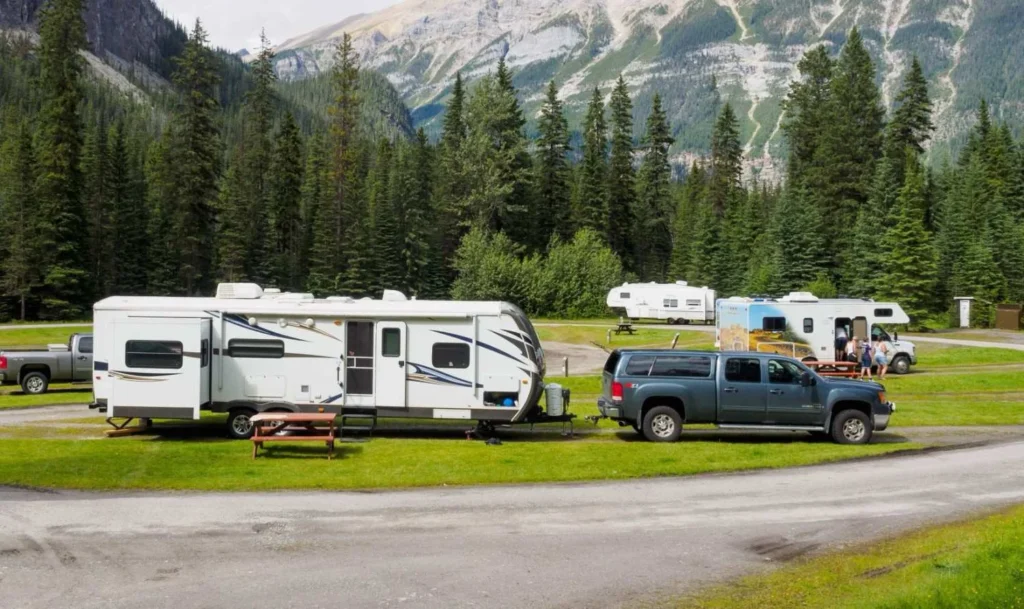
Not all RV roof damage is caused by aging or weather. Many roofs are damaged during collisions with low bridges, parking structures, tree branches, carports, or other overhead obstacles.
Impact damage can affect much more than the roofing material itself. A collision may also damage:
At World Auto Body, we specialize in RV collision repair and complete RV roof restoration. Our experienced technicians evaluate the full extent of the damage, restore structural integrity, repair exterior body damage, and return your RV as close as possible to its pre-accident condition.
Insurance coverage depends on both the cause of the damage and the type of policy you carry.
Many comprehensive RV insurance policies may cover roof damage resulting from:
If your RV roof was damaged in an accident or covered event, World Auto Body can help simplify the claims process by providing:
Routine maintenance is the best way to prevent expensive RV roof repairs and maximize the lifespan of your roof.
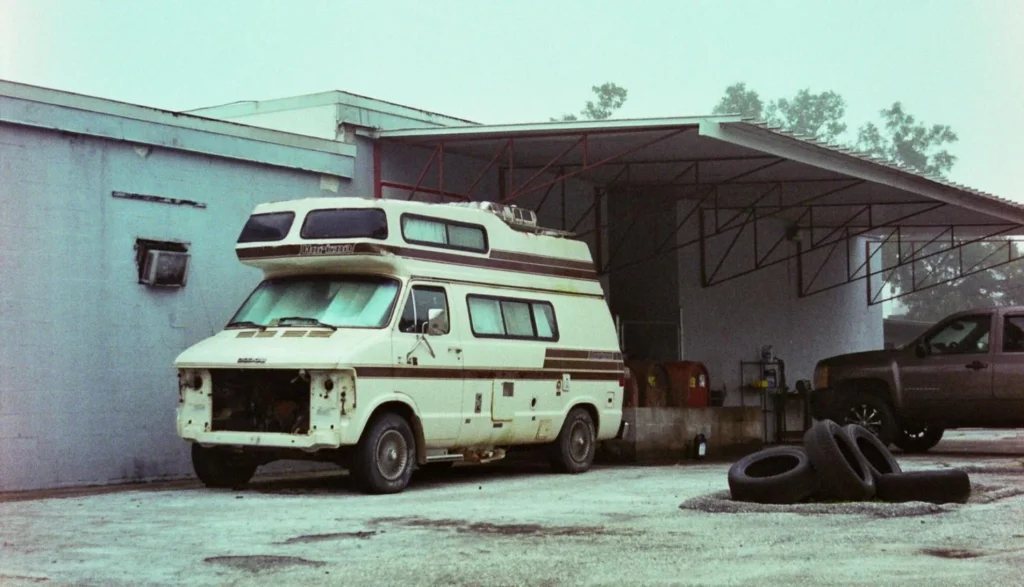
Whether you’re dealing with a small leak, cracked fiberglass, storm damage, or collision-related roof damage, prompt repairs are essential to protect your RV from further deterioration.
At World Auto Body, we provide professional RV roof repair and RV roof restoration for motorhomes, travel trailers, fifth wheels, camper vans, and other recreational vehicles. Our experienced technicians perform detailed inspections, identify hidden damage, and use proven repair methods to restore your roof’s strength, appearance, and weather protection.
When roof damage is the result of an accident, we also offer complete RV collision repair, structural restoration, body repairs, paint refinishing, and insurance claim assistance, all under one roof.
If you suspect your RV roof has been damaged, visit World Auto Body for a professional inspection and a detailed repair estimate. Our experienced team is committed to restoring your RV safely and helping you get back on the road with confidence.
Yes, you can reseal your RV roof if the existing roof is in good condition and the damage is limited to worn or cracked sealant. Be sure to use a sealant compatible with your roof material, such as EPDM, TPO, fiberglass, or aluminum. If you suspect hidden water damage or structural issues, a professional inspection is recommended.
The best tape depends on your roof type and the repair being made. High-quality roof repair tapes designed specifically for RV roofs are commonly used for temporary or permanent repairs on compatible roofing materials. Always follow the manufacturer’s recommendations for your roof membrane.
The first step is repairing the roof leak that caused the water intrusion. Once the leak has been stopped, damaged insulation, ceiling panels, or wood framing may need to be removed and replaced. Repairing the ceiling without fixing the roof leak will usually result in continued damage.
Each roofing material offers different advantages. EPDM and TPO roofs are lightweight and durable, fiberglass roofs provide excellent longevity and impact resistance, while aluminum roofs remain popular on some older RVs. The best choice depends on your RV model, budget, and maintenance preferences.
Over time, RV roof sealant can crack, shrink, dry out, or separate from roof components due to weather exposure and UV rays. Routine inspections and resealing help prevent leaks and extend the life of the roof.
Flex Seal may provide a temporary solution for minor leaks, but it is not typically considered a permanent repair for RV roofs. For long-lasting results, use repair materials specifically designed for your roof type or have the roof professionally repaired.
EPDM roofs generally have a rubber-like feel and may leave a slight chalky residue as they age. TPO roofs are usually smoother, brighter, and produce little to no chalking. If you’re unsure, check your owner’s manual or have your roof inspected by an RV repair professional.
Most manufacturers recommend inspecting your RV roof every three to six months and resealing it as needed. Sealants around vents, skylights, and roof accessories should be checked regularly to prevent water intrusion.
The cost varies depending on the size of the RV, roof material, condition of the existing sealant, and whether repairs are needed before resealing. A professional inspection can provide an accurate estimate based on your RV’s condition.
The lifespan depends on the roofing material, maintenance, and environmental conditions. With proper care and regular maintenance, many RV roofs can last 15 to 20 years or longer before requiring major repairs or replacement.
Knowing how to repair an RV roof can help you address minor issues before they become expensive structural problems. Regular inspections, timely RV roof leak repair, proper maintenance, and using the correct repair materials all play an important role in protecting your RV from water damage and extending the life of the roof.
While some small repairs can be handled by experienced owners, extensive leaks, collision damage, structural deterioration, or widespread roof failure are best left to professionals. At World Auto Body, we provide expert RV roof repair, RV roof restoration, RV collision repair, and insurance claim assistance to help restore your RV safely and efficiently.
If you’ve noticed signs of roof damage or suspect a leak, contact World Auto Body for a professional inspection and reliable repair solutions that will keep your RV protected and ready for your next adventure.


LEAVE A COMMENT