- July 23, 2018
- By WAB_DEV2
- In Blog, Repainting
- 499
- 0

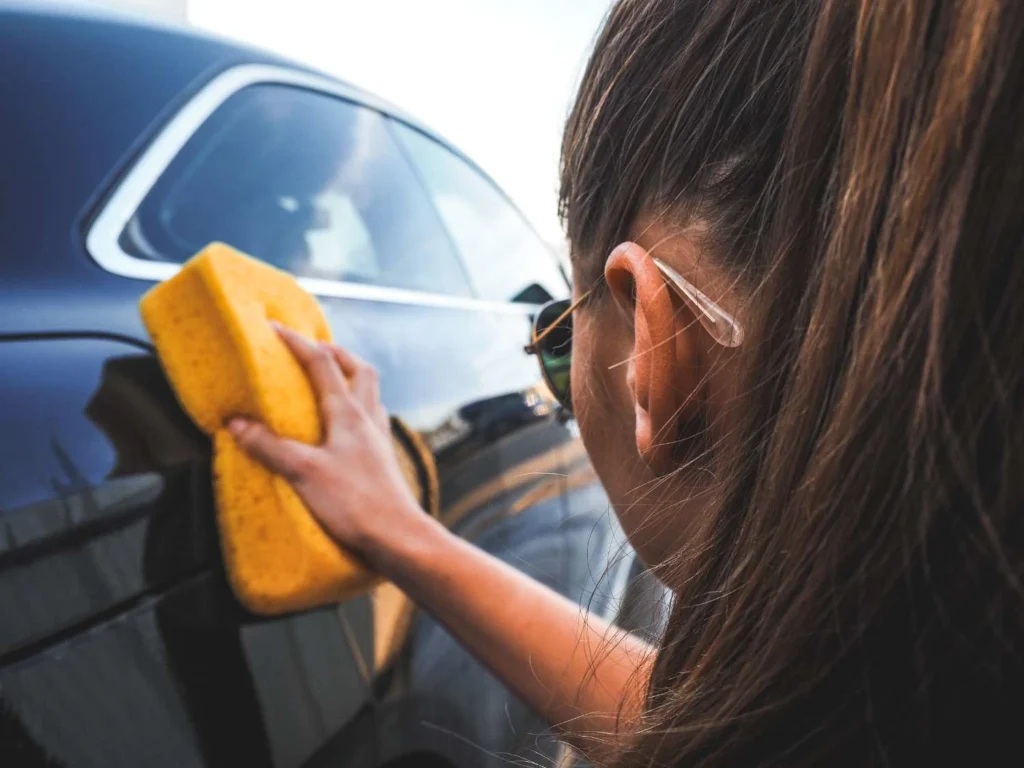
A new paint job can dramatically improve your vehicle’s appearance, but protecting that finish is just as important as getting the right auto paint repair or refinishing work. Whether you purchased a new vehicle or recently had your car repainted, the right new car paint protection routine can help prevent fading, scratches, oxidation, and other paint damage.
The best way to protect new car paint depends on how the vehicle was painted, how much protection you need, and how the car is used. Regular new car paint care, proper washing, and professional protection options such as ceramic coating and paint protection film can all help preserve a fresh, glossy finish.
If your vehicle has recently received fresh car paint, it’s also important to understand paint curing before applying certain protection products. Giving the finish enough time to cure allows the paint to develop its intended durability before additional coatings or treatments are applied.
In this guide, we’ll explain how to protect new car paint, how long fresh paint takes to cure, the best protection options, and how to maintain your finish for years to come.
Protecting new car paint is not about choosing a single product and applying it immediately. The best new car paint protection strategy combines proper paint care, safe washing, environmental protection, and the right protective product for your vehicle.
The ideal solution depends on how often you drive, where you park, your exposure to road debris and sunlight, how long you want the protection to last, and how much maintenance you’re willing to perform. A daily-driven vehicle that spends hours on highways may need a different level of protection than a weekend vehicle kept in a garage.
Before applying any coating, sealant, or wax to a newly painted car, make sure the paint has cured according to the refinishing system’s requirements and that your body shop or paint manufacturer has confirmed the product is safe to use.
Proper washing is the foundation of car paint protection. Dirt, road film, bird droppings, tree sap, insects, and other contaminants can remain on the surface and gradually affect the clear coat if they are not removed.
For effective new car paint care:
Avoid household dish soap, abrasive sponges, dirty towels, and brushes that can introduce fine scratches or swirl marks into the finish.
Regular washing does not replace a dedicated paint protection product, but it is one of the most important steps for keeping a new paint finish looking its best.
Paint protection film (PPF) is designed to provide a physical barrier between the vehicle’s paint and common road hazards. Unlike waxes and coatings, PPF adds a protective film over the surface that can absorb or resist certain types of impact and abrasion.
PPF is particularly valuable on areas that receive the most road exposure, including front bumpers, hood and hood edges, front fenders, side mirrors, door edges, rocker panels and other high-impact areas. Also it’s especially worth considering if you frequently drive on highways, commute long distances, follow trucks carrying loose materials, or want the highest level of protection against physical paint damage.
Depending on the product and installation, PPF can help protect against:
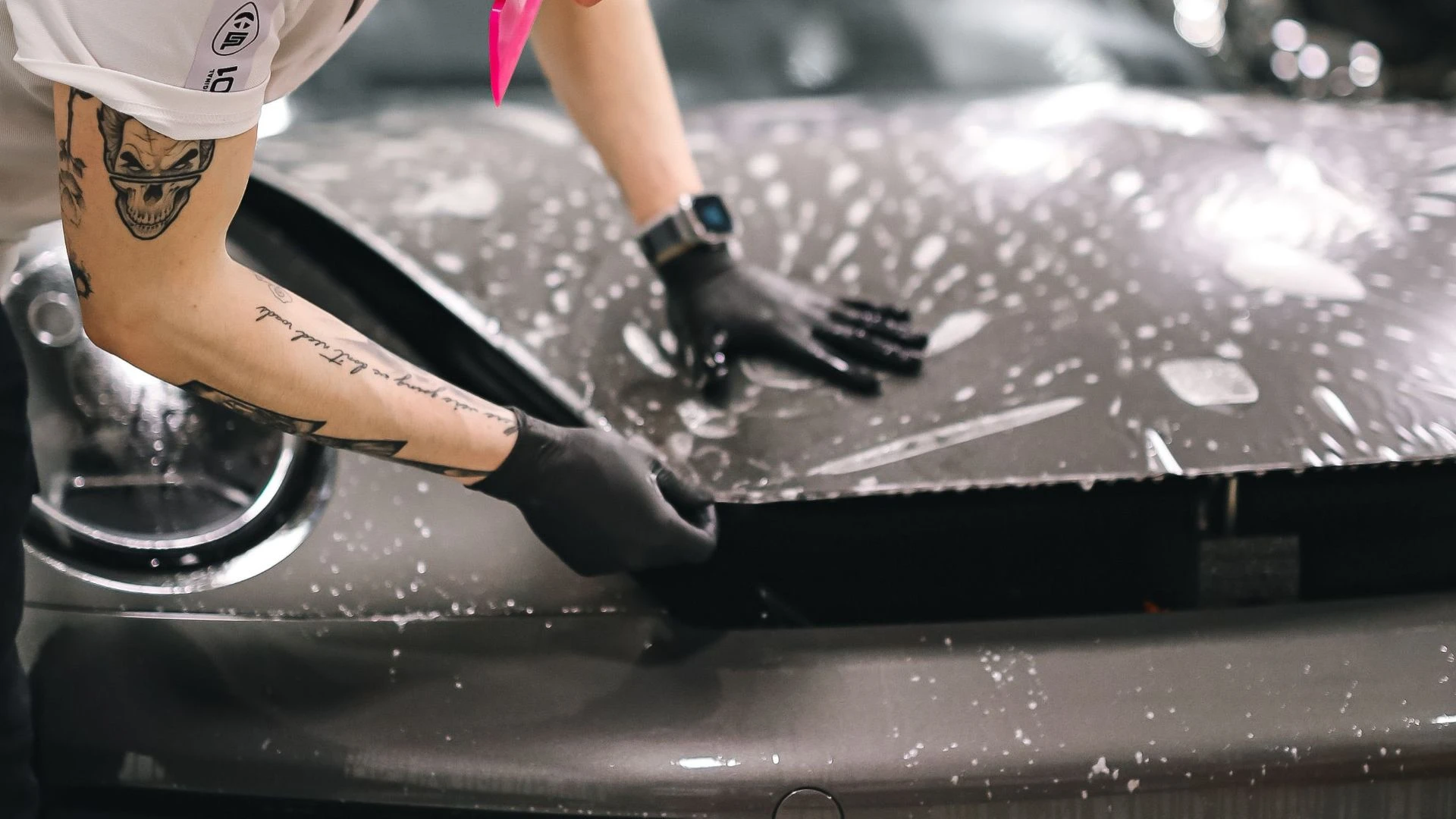
Ceramic coating creates a durable protective layer over the vehicle’s paint and clear coat. Professional ceramic coatings can improve water behavior, make contaminants easier to remove, and provide additional resistance to environmental exposure.
Common benefits include:
Ceramic coating is particularly useful for vehicle owners who want long-term car paint protection and easier maintenance.
However, ceramic coating should not be confused with PPF. A ceramic coating is primarily a chemical and surface-protection layer; it does not provide the same physical impact protection as a protective film.
A ceramic coating will not make your vehicle completely scratch-proof or prevent all rock chips. If your primary concern is highway debris and physical impact damage, PPF generally provides more direct protection against those hazards.
Paint sealants offer another option for protecting a vehicle’s finish. They are designed to create a protective layer over the paint that can help repel contaminants, improve gloss, and make routine cleaning easier.
Paint sealants can be a practical choice for drivers who:
Sealants generally require periodic reapplication, so they work best as part of an ongoing new car paint care routine rather than a one-time solution.
As with other paint protection products, always confirm that the paint has reached the appropriate curing stage before applying a sealant to a newly refinished vehicle.
Traditional car wax remains a simple way to add temporary protection and enhance the appearance of a fully cured paint finish.
Wax can:
Wax is best suited to vehicle owners who enjoy regular maintenance and want an affordable way to maintain the appearance of their paint.
For a newly painted car, do not assume that wax can be applied immediately after refinishing. Fresh automotive paint may still be releasing solvents while curing, so follow the recommendations provided by the body shop and paint manufacturer.
Paint protection isn’t limited to coatings and films. How you use and store your vehicle also has a major effect on the condition of the finish.
Whenever possible:
These simple habits can significantly reduce the amount of environmental stress placed on the clear coat.
There is no single best way to protect new car paint for every vehicle. Your driving habits should influence the type and level of protection you choose.
| Situation | Recommended Protection |
|---|---|
| Mostly city driving | Regular washing + sealant or ceramic coating |
| Frequent highway driving | PPF on high-impact areas + ceramic coating or sealant |
| Maximum rock-chip protection | Full or partial PPF |
| Vehicle parked outdoors | Ceramic coating or sealant + regular washing |
| Garage-kept vehicle | Regular washing + wax, sealant, or ceramic coating |
| Low-maintenance preference | Professional ceramic coating |
| Enjoy DIY detailing | Wax or paint sealant |
| Recently refinished vehicle | Follow curing requirements before applying protection |
The strongest approach can also combine different protection methods. For example, PPF can protect high-impact areas while ceramic coating is applied to other painted surfaces to make the vehicle easier to maintain.
One of the most important parts of new car paint protection is timing. Fresh paint should not automatically be treated the same way as fully cured factory paint.
The paint curing time can vary depending on the paint system, refinishing products, temperature, humidity, airflow, application process, and manufacturer requirements. Paint may feel dry to the touch before it has fully cured.
During the curing period:
Once the paint has reached the appropriate curing stage, you can begin a longer-term protection routine based on your vehicle and driving conditions.
Your vehicle’s paint does more than give it a clean, attractive appearance. The paint system also helps protect the underlying body panels from environmental exposure, moisture, and everyday wear. Even a high-quality factory finish or professionally refinished surface can gradually deteriorate when exposed to harsh conditions.
Daily driving exposes your paint to UV rays, road debris, dirt, bird droppings, tree sap, water spots, road salt, fuel, chemicals, and other contaminants. If these substances remain on the surface for too long, they can stain or degrade the clear coat and leave the finish looking dull, faded, or uneven.
This is why proper car paint protection should be part of your regular vehicle maintenance routine. Protecting the finish early can help preserve its appearance and reduce the risk of premature paint deterioration.
Several everyday conditions can gradually affect your vehicle’s finish:
New car paint protection is particularly important after a vehicle has been professionally refinished. Fresh automotive paint may require additional time to fully cure and harden, depending on the paint system, refinishing products, temperature, airflow, and application process.
During this period, following your body shop’s recommendations is essential. Avoid applying products such as waxes, sealants, or coatings until the paint has reached the appropriate curing stage and the repair facility confirms they are safe to use.
Once the paint has fully cured, a consistent maintenance routine can help protect the finish from environmental exposure and everyday wear.
The best approach to protecting new car paint isn’t simply applying the strongest available coating. It starts with understanding the condition of the paint and choosing protection that is appropriate for the vehicle.
For a newly painted car, this means allowing the finish to cure according to the refinishing system’s requirements, washing it properly, removing contaminants promptly, and avoiding products or techniques that can interfere with the finish.
Once the paint is fully cured, options such as paint protection film, ceramic coating, paint sealants, and wax can provide different levels of protection depending on your priorities, driving conditions, budget, and desired maintenance routine.
Ultimately, the best car paint protection is a combination of proper curing, gentle maintenance, timely cleaning, and the right protective product for your vehicle.
| Protection | Best For | Protects Against | Physical Impact Protection | Maintenance |
|---|---|---|---|---|
| PPF | Rock chips & road debris | Chips, impacts, light scratches | High | Low–moderate |
| Ceramic Coating | Long-term surface protection | UV, contaminants, water spots | Low | Low |
| Paint Sealant | Practical surface protection | Contaminants, water, UV exposure | Low | Moderate |
| Wax | Gloss & temporary protection | Basic contamination & water | Very low | High |
| Regular Washing | Every vehicle | Dirt & contaminants | None | Essential |
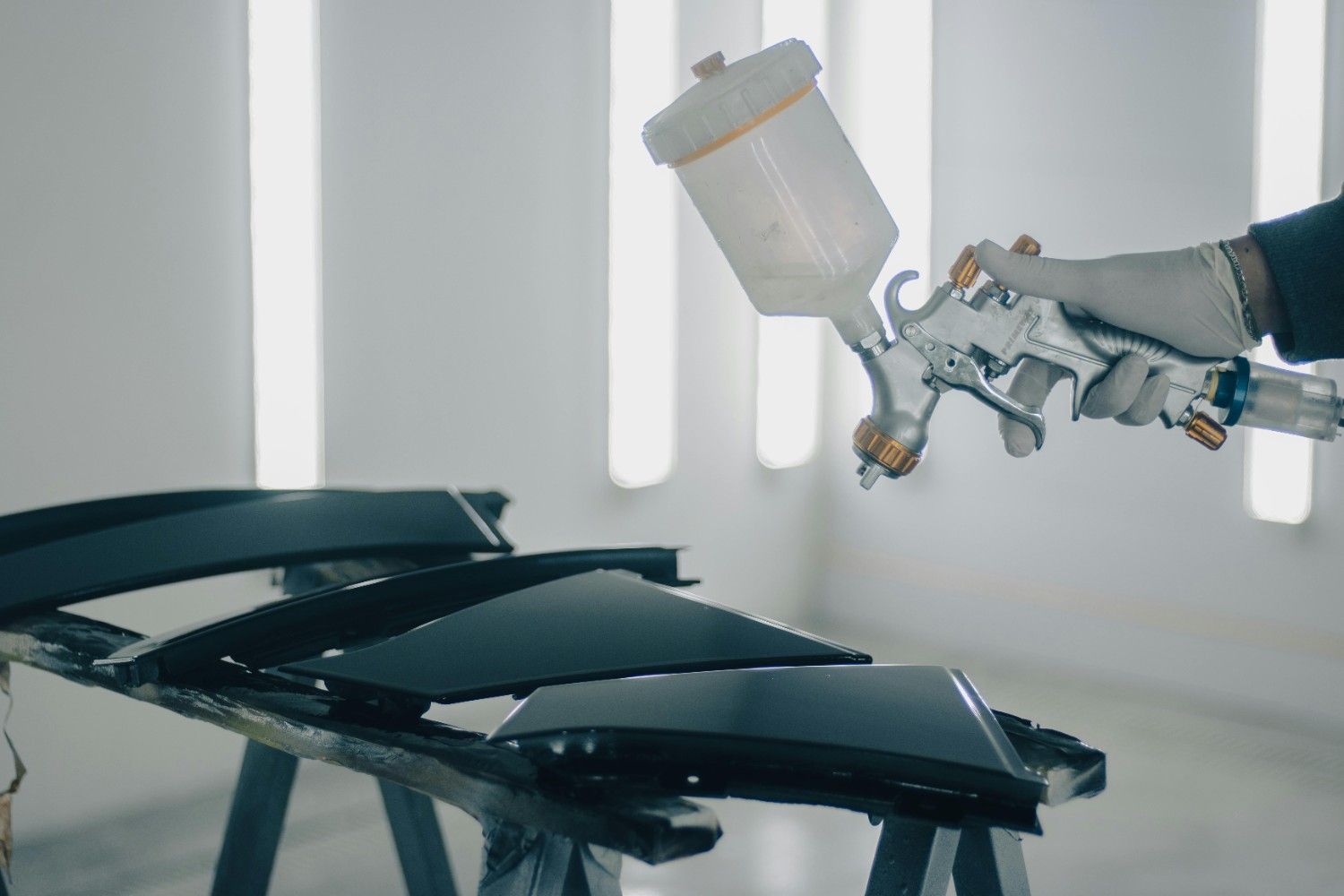
One of the most important things to understand before protecting new paint is the difference between drying and curing.
Paint drying time refers to how long it takes for the surface to become dry enough to touch. Paint curing time is the longer process during which the paint continues to harden and develop its final properties.
A surface can feel completely dry while the underlying paint is still curing. Depending on the paint system, application method, temperature, airflow, and refinishing process, full paint curing can take considerably longer.
Applying certain protection products too early can interfere with the curing process. Before using wax, sealants, ceramic coating, or other protective products on fresh paint, follow the recommendations from your body shop and paint manufacturer.
If your vehicle recently received professional refinishing, ask the repair facility when the finish is ready for additional car paint protection.
If your vehicle has recently undergone auto paint repair, paint refinishing, or car body repair, the aftercare process is especially important.
During the early curing period:
Proper aftercare gives the refinished surface time to cure while helping preserve the quality of the paint restoration.
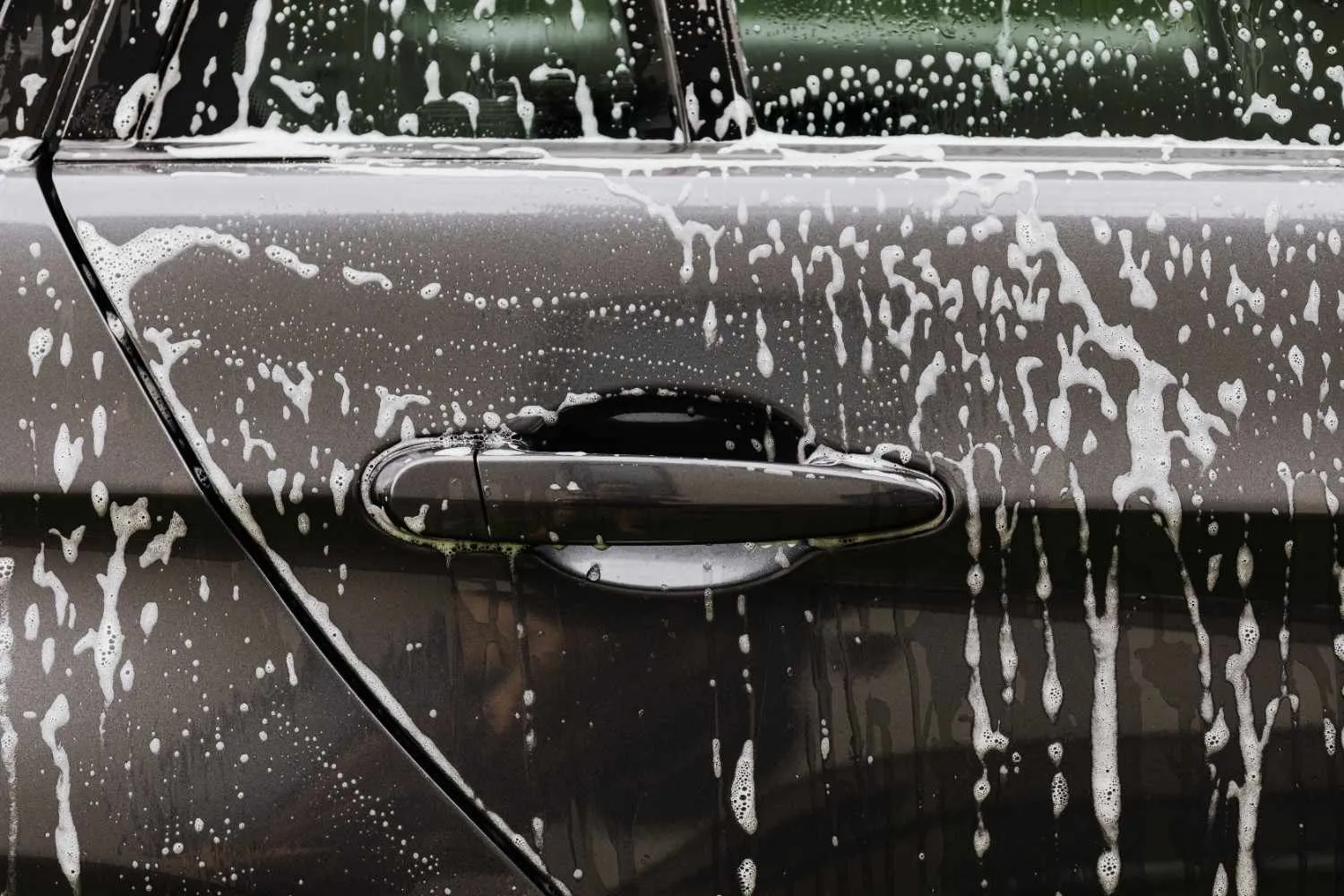
Once the paint is ready for washing, gentle hand washing is generally the safest approach.
Use:
Avoid stiff brushes, abrasive sponges, harsh chemicals, and dirty towels that can introduce scratches into the paint finish.
If your vehicle was recently repaired after an accident, follow the specific washing and maintenance instructions provided by your collision repair facility.
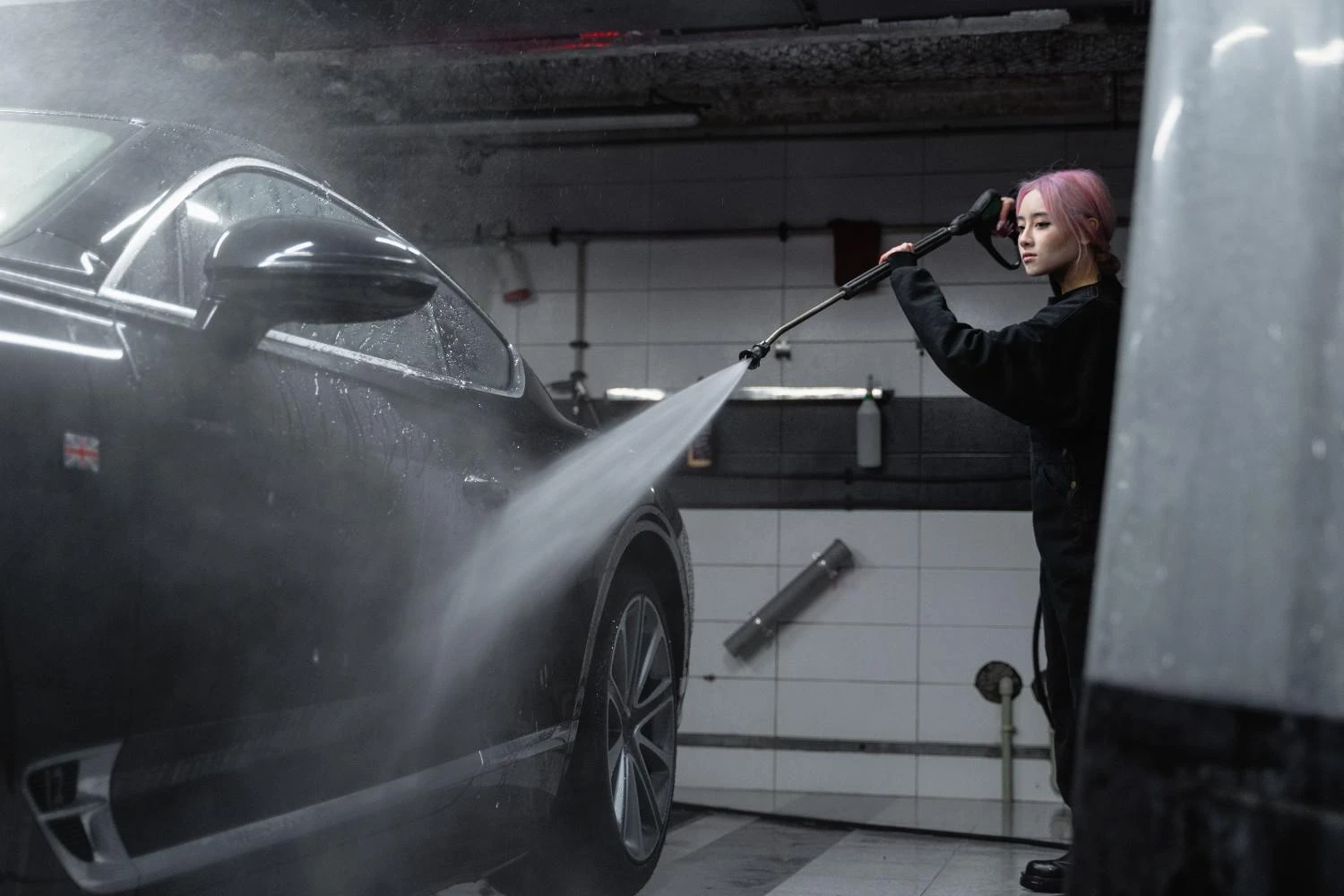
Even good-quality paint can deteriorate quickly when it is not properly maintained.
Dish soap and household detergents aren’t designed for automotive finishes and may be unnecessarily harsh on the paint and protective layers.
Dirt and grit trapped in microfiber towels can create fine scratches and swirl marks during washing or drying.
Rotating brushes and cloth strips can introduce scratches, particularly when dirt from other vehicles becomes trapped in the equipment.
Applying wax before the finish has sufficiently cured can interfere with the refinishing process. Always follow the recommended paint curing time.
Acidic or sticky contaminants can damage the surface when left on the vehicle for extended periods. Remove them carefully as soon as it is safe to do so.
Once your paint has fully cured, consistent new car paint care becomes the key to maintaining its appearance.
A good long-term routine includes:
Combining proper maintenance with professional car paint protection can help preserve the appearance and durability of your vehicle’s finish.
Protecting your vehicle’s paint starts with getting the paint repair and refinishing process right. Whether your vehicle has been damaged in a collision, developed scratches and chips, or requires a complete panel refinish, the quality of the underlying repair plays an important role in how well the finish looks and performs over time.
At World Auto Body, we provide professional auto paint repair, collision paint repair, and automotive refinishing for drivers throughout San Diego. Our experienced technicians use professional refinishing equipment, computerized color matching, and manufacturer-approved repair procedures to restore damaged paint and achieve a consistent, factory-quality finish.
Our paint services address a wide range of damage, including:
Our technicians carefully prepare each repaired surface before applying paint and clear coat. Proper preparation, accurate color matching, controlled application, and professional finishing help ensure the repaired area blends naturally with the rest of the vehicle.
At World Auto Body, quality paint repair is supported by ongoing technician training and manufacturer-approved repair procedures. We are an I-CAR Gold Class certified collision repair center and provide manufacturer-certified repairs for brands including Nissan, Hyundai, Kia, Genesis, Infiniti, and Volvo.
Our commitment to certified repair means we focus on more than simply making damaged paint look better. We follow appropriate repair procedures and use professional equipment and techniques designed to restore your vehicle’s appearance while supporting its
Choosing the right repair facility is an important part of protecting your vehicle’s new paint. At World Auto Body, we combine collision repair expertise with professional paint refinishing to provide a complete restoration experience.
Certified Expertise
Our I-CAR Gold Class certified technicians receive ongoing training and follow industry-recognized repair procedures.
Advanced Color Matching
Computerized color matching and professional blending techniques help match repaired areas with the vehicle’s existing finish.
Manufacturer-Approved Repair Methods
Our manufacturer certifications and OEM-focused repair procedures help ensure repairs are performed according to appropriate vehicle-specific standards.
Complete Collision Restoration
When paint damage is caused by an accident, we can address the complete repair—not just the visible paint damage. Our services include auto body repair, collision repair, frame repair, mechanical repairs, and refinishing.
Lifetime Warranty
We stand behind our qualifying auto paint and collision repairs with a lifetime warranty for as long as you own your vehicle.
Serving San Diego Since 1986
As a family-owned collision repair business, we’ve served San Diego drivers for decades with a focus on quality workmanship, professional service, and reliable vehicle restoration.
Whether you need auto paint repair after a collision, professional refinishing for damaged body panels, or guidance on caring for a newly painted vehicle, World Auto Body provides the expertise and complete repair services needed to restore your vehicle’s appearance and protect your investment.
The best approach combines proper washing, regular maintenance, and a suitable protection product. Paint protection film provides physical protection against road debris, while ceramic coating offers additional surface protection, gloss, and easier cleaning.
The required waiting period depends on the paint system and refinishing process. Follow your body shop and paint manufacturer’s recommendations before applying wax, sealants, ceramic coatings, or other products.
Paint drying time is when the surface becomes dry to the touch. Paint curing time refers to the longer process during which the coating hardens and develops its final properties.
Ceramic coating should generally not be applied until fresh paint has sufficiently cured. The appropriate timing depends on the specific paint system, so confirm with your refinishing professional first.
PPF can be worthwhile if you want strong physical protection against rock chips, road debris, and minor scratches, particularly on high-impact areas such as the hood, bumper, and fenders.
Use gentle washing techniques, clean microfiber materials, and avoid abrasive brushes. For stronger physical protection, paint protection film can help shield vulnerable areas from road debris and minor impacts.


LEAVE A COMMENT