- 297
- 4

How to Clean a Car After Body Repair: Safe Washing & Paint Care Guide
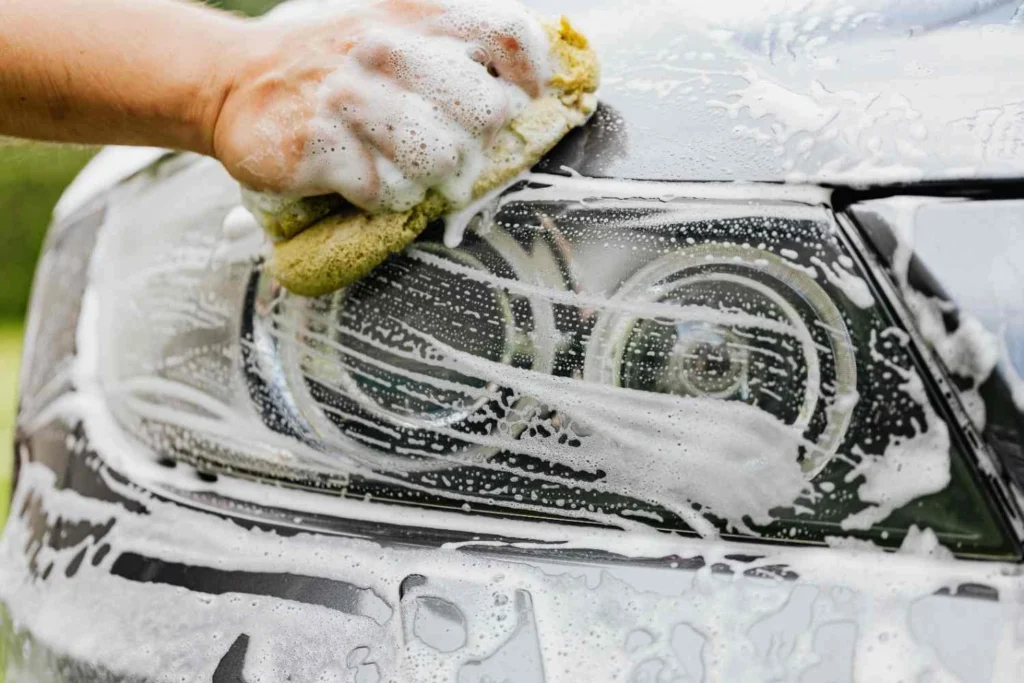
Getting your car back after auto body repair is a great feeling, but proper aftercare is important for protecting the new paint finish and repaired areas. Whether your vehicle received car body repair, collision repair, auto paint repair, or a combination of services, freshly repaired surfaces need time and careful maintenance.
If you’re wondering about the best ways to clean a car after a body repair, the safest approach is to avoid rushing into aggressive washing. Fresh body shop paint needs time to dry and cure before it can handle normal washing, pressure, chemicals, and paint protection products.
As a general guideline, wait around 7 to 14 days before hand washing freshly repaired areas, and avoid automated car washes during the early curing period. However, always follow the specific instructions provided by your body shop because paint drying time and paint curing time vary depending on the paint system, repair process, temperature, and application method.
This guide explains how to clean a car after body repair, what products to use, what to avoid, and how to protect new car paint after an accident or professional repair.
When Can You Wash Your Car After Body Repair?
The right time to wash a newly painted car depends on how the repair and refinishing were completed. Although automotive paint may feel dry within hours, the underlying coating can continue curing for much longer.
Post-Repair Washing Timeline
First 72 Hours: Avoid unnecessary washing, water exposure, and harsh contact with freshly repaired areas while the paint begins to stabilize.
7 to 14 Days: If washing is necessary and your repair facility approves it, a gentle hand wash using mild automotive soap and a soft microfiber mitt is generally preferable.
Around 30 Days: Depending on the paint system and repair instructions, more conventional washing methods may become appropriate. Automated washes should still be avoided if the finish has not fully cured.
60 to 90 Days: Waxing, polishing, and certain paint protection products may need to wait until the refinished surface has fully cured. Always follow the recommendations for your specific repair.
For more information, see our guide on when to wash your car after paint repair.
How Long Does Fresh Automotive Paint Take to Cure?
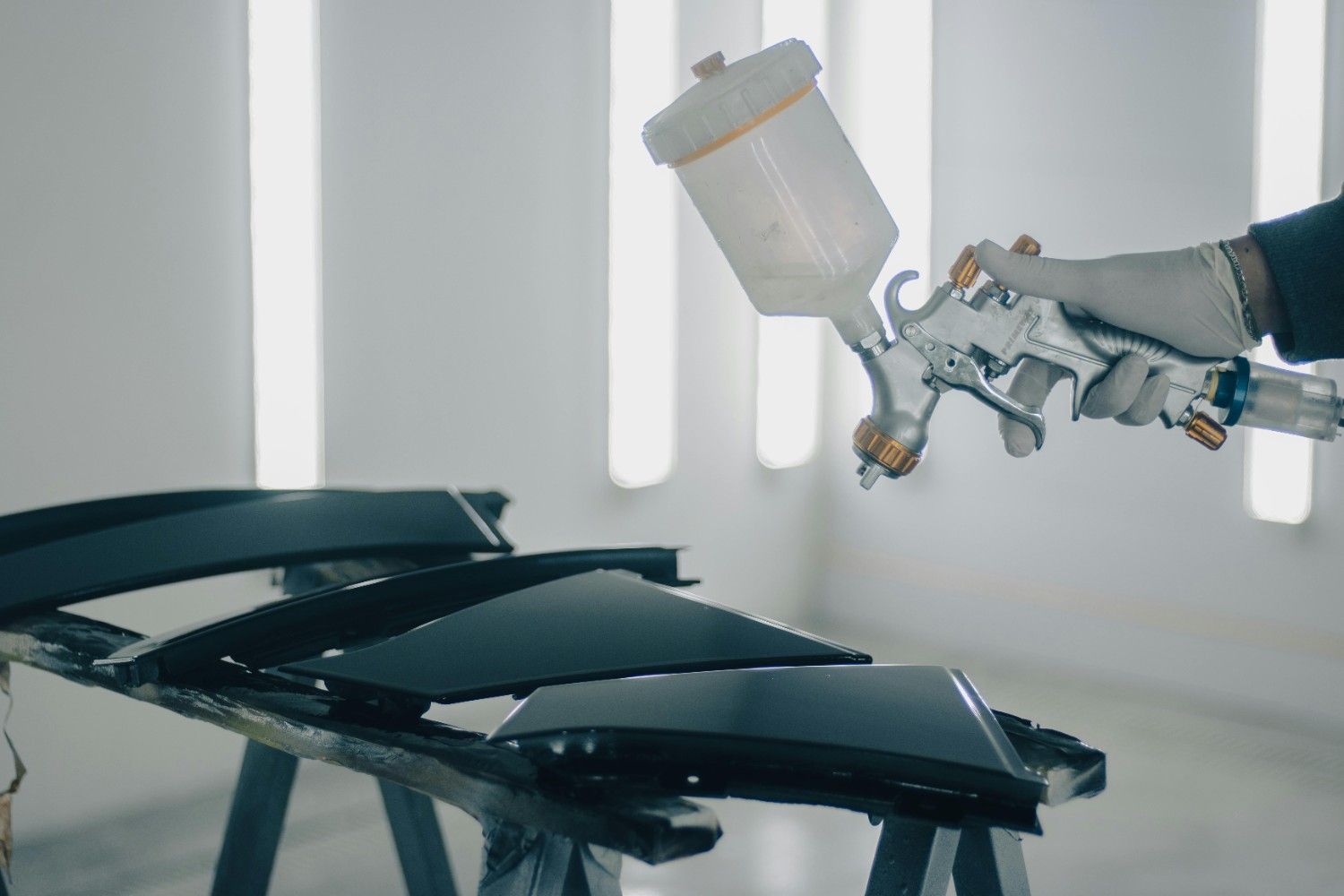
Fresh automotive paint can feel dry long before it has completely cured. Drying is the initial stage when solvents evaporate and the surface becomes touch-dry, while curing is the longer process through which the coating develops its final hardness and durability.
Depending on the paint system, application process, temperature, airflow, and whether the finish was professionally baked, complete paint curing time can vary significantly. Some professionally refinished systems may reach full cure relatively quickly, while other applications can require several weeks.
That’s why there isn’t one universal paint drying time that applies to every repair.
Why Fresh Paint Needs Extra Care
Fresh paint remains more vulnerable to pressure, friction, moisture, and chemicals while it continues curing. Improper cleaning during this period can interfere with the paint finish or leave marks on the surface.
- Softness and Pressure: Excessive pressure or friction can mark a newly refinished surface before it reaches its final hardness.
- Moisture Exposure: Excessive water, humidity, or trapped moisture can contribute to water spots or other finish problems.
- Chemical Sensitivity: Harsh cleaners, waxes, and certain sealants may interfere with the curing process when applied too early.
Following your repair facility’s aftercare instructions gives the new car paint the best opportunity to develop a durable, consistent finish.
Best Ways to Clean a Car After Body Repair
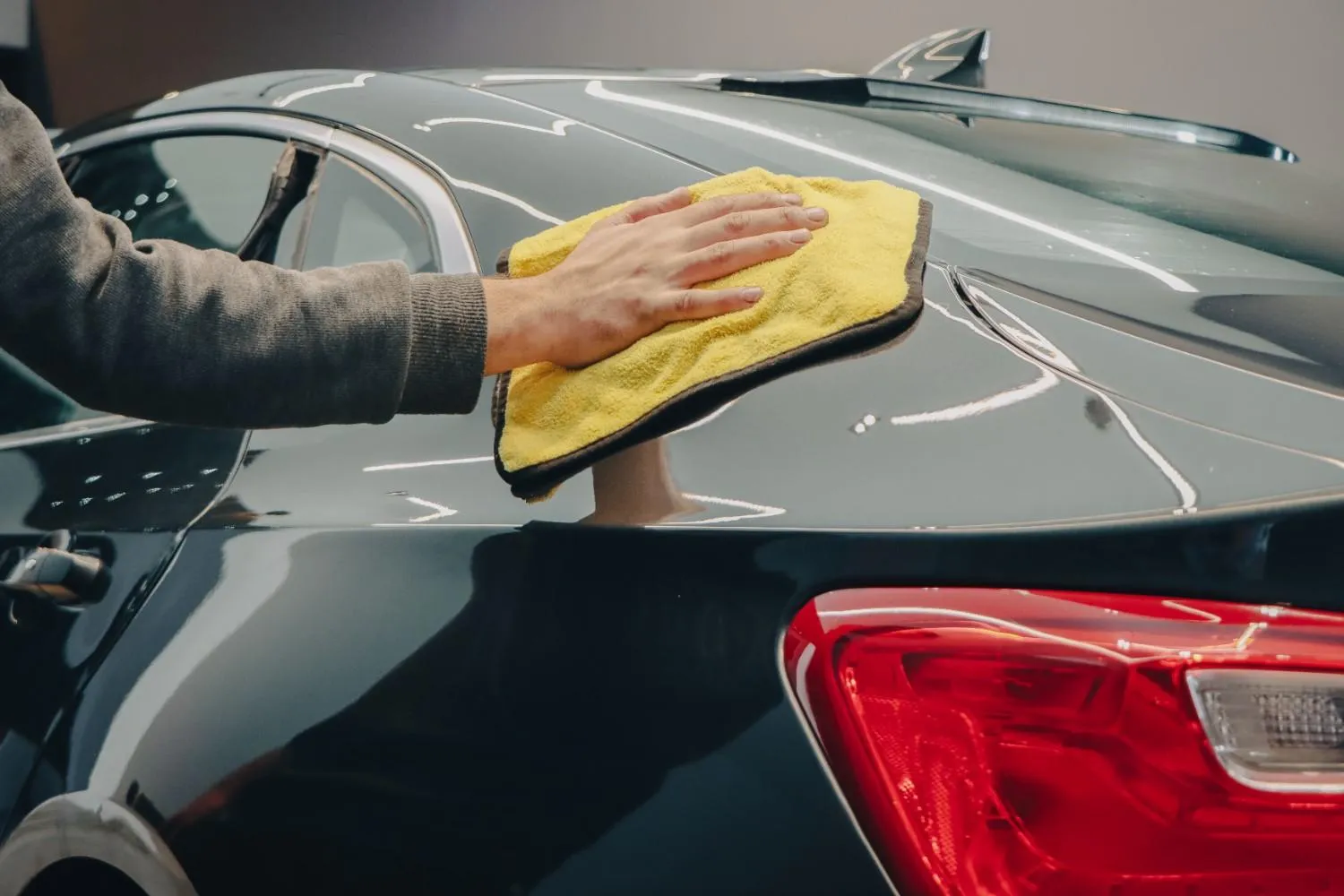
The best ways to clean a car after a body repair focus on minimizing friction while protecting the repaired paint finish. Once your body shop confirms that washing is appropriate, gentle hand washing is usually the safest approach.
A basic cleaning routine should include:
1. Inspect the Repaired Areas First
Before washing, look over the repaired panels for loose trim, unusual paint marks, damaged edges, or areas that may require additional attention. If you notice a possible repair issue, contact your body shop instead of trying to correct it yourself.
2. Rinse Away Loose Dirt and Debris
Begin by gently rinsing the vehicle to remove loose dust and road debris. Avoid aggressively spraying repaired edges or holding a high-pressure nozzle close to the surface.
3. Use pH-Neutral Car Wash Soap
Choose a mild automotive soap designed specifically for vehicle finishes. A pH-neutral car wash product can clean away dirt without unnecessarily stressing the clear coat or refinished surface.
4. Wash With a Clean Microfiber Mitt
A soft, clean microfiber wash mitt helps reduce friction and the risk of introducing scratches. Work gently from cleaner upper surfaces toward dirtier lower areas.
5. Use the Two-Bucket Washing Method
Using separate buckets for wash solution and rinsing can help prevent dirt and grit from being transferred back onto the vehicle. Rinse the mitt frequently and avoid continuing to use it once it becomes heavily contaminated.
6. Rinse Gently
Rinse thoroughly with clean water without directing excessive pressure toward fresh paint, panel edges, trim, or repaired seams.
7. Dry With a Clean Microfiber Towel
Don’t allow water to sit and evaporate on the vehicle when you can avoid it. Use a clean, soft microfiber drying towel and gently blot or glide it across the surface without aggressive rubbing.
What Should You Use to Clean a Car After Body Repair?
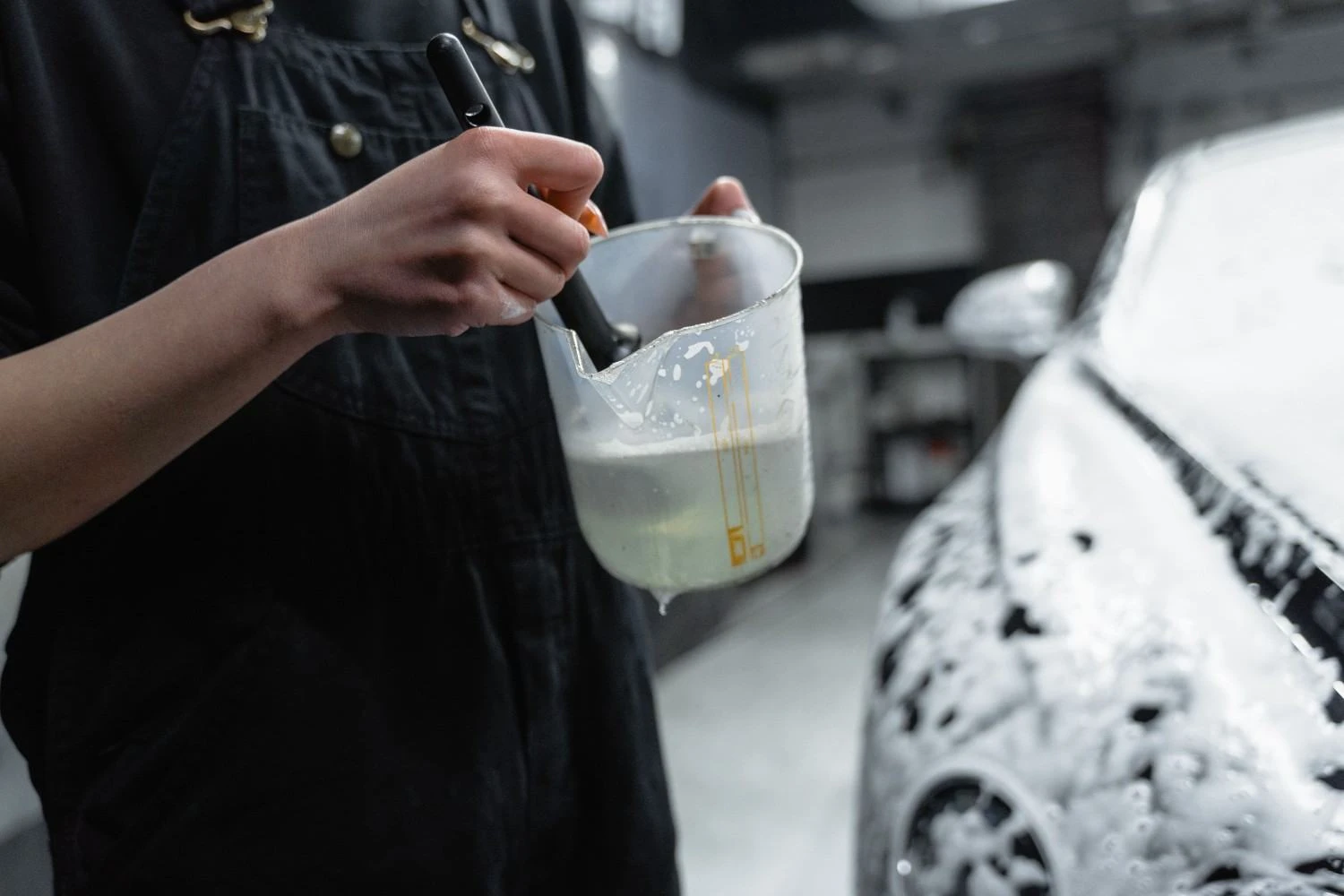
Choosing the right cleaning products is an important part of post-repair car care. The goal is to remove dirt without unnecessarily stressing fresh paint or the clear coat.
Best Car Wash Soap
Use a mild, automotive-specific, pH-neutral car wash soap. Avoid household detergents because they may be too harsh for automotive finishes and can interfere with existing paint protection products.
Best Towels and Wash Mitts
Use clean, soft microfiber towels and wash mitts designed for automotive surfaces. Keep separate towels for washing, drying, wheels, and other dirtier areas to reduce the chance of transferring abrasive particles onto the paint.
Products to Avoid
Avoid household detergents, abrasive cleaners, rough sponges, stiff brushes, and other products that can damage a newly painted car. Traditional waxes, polishes, and some sealants should also be avoided until the paint has reached the appropriate cure stage.
The right products help preserve the paint restoration, maintain the finish, and protect the repaired surface from unnecessary wear.
What Should You Avoid After Body Repair?
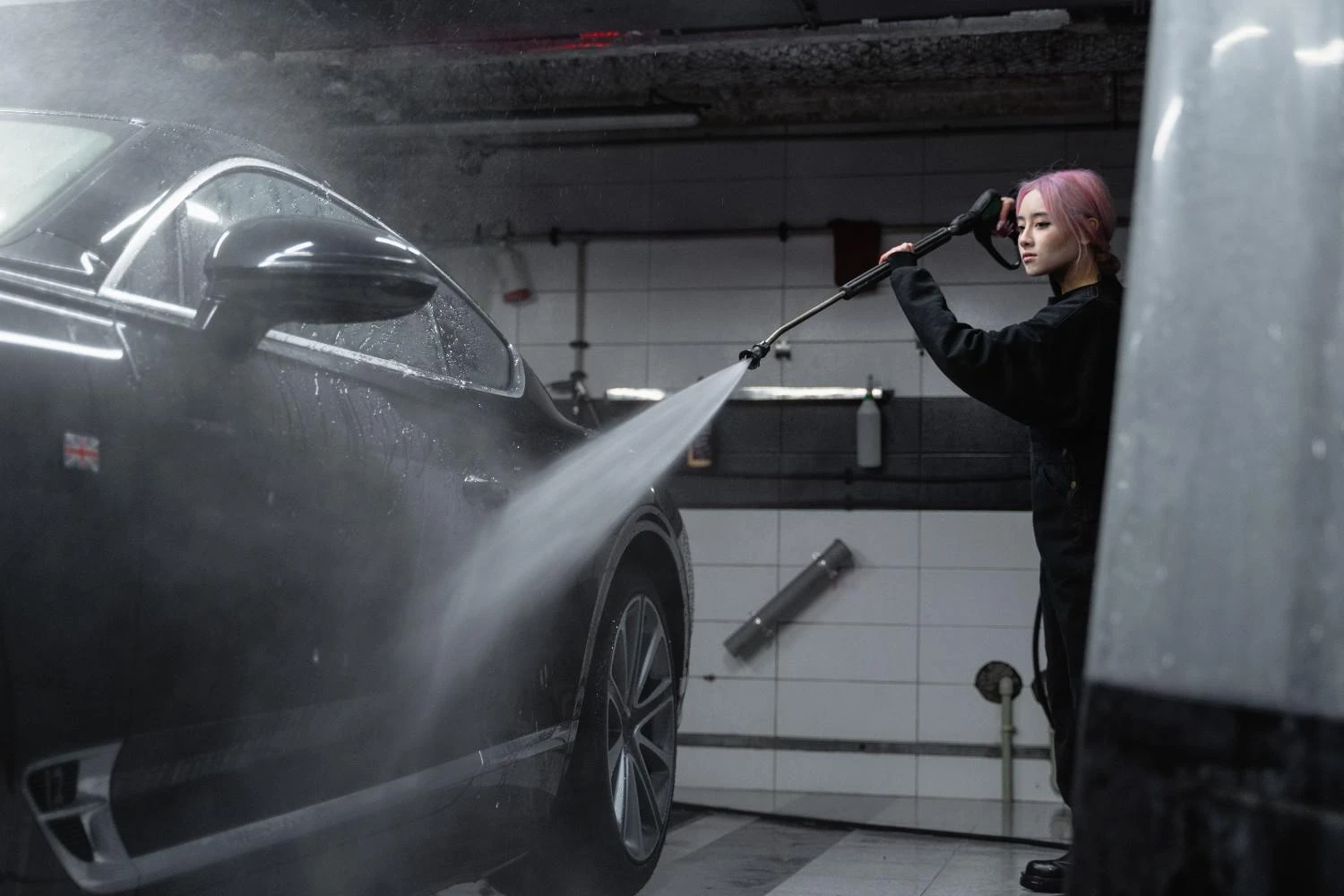
Fresh body shop paint requires more care than a fully cured finish. During the curing period, avoid activities and products that create excessive pressure, friction, heat, or chemical exposure.
Automatic Car Washes
Avoid traditional automated washes with rotating brushes or cloth strips while the paint is still curing. Dirt trapped in these systems can create scratches and swirl marks, while aggressive cleaning can be unnecessarily harsh on fresh refinishing.
High-Pressure Washing
High-pressure water can place unnecessary stress on fresh paint, repaired edges, seams, and trim. Keep pressure away from freshly repaired areas and follow your body shop’s recommendations.
Harsh Chemicals and Household Soap
Don’t use dish soap, laundry detergent, strong solvents, or household cleaners on fresh automotive paint. Use products specifically formulated for vehicle finishes.
Abrasive Sponges and Brushes
Rough sponges, stiff brushes, and abrasive materials can scratch the clear coat and newly refinished surfaces. Soft microfiber materials are a safer choice once washing has been approved.
Aggressive Scrubbing
Avoid scrubbing stubborn dirt aggressively. If a contaminant does not come away with gentle cleaning, allow the surface to remain undisturbed and seek professional guidance rather than risking damage to the repair.
Waxing and Polishing Too Soon
Wax, polish, and certain sealants may interfere with the curing process when applied too early. Wait until the paint has reached the appropriate cure stage according to your repair facility and paint-system recommendations.
How to Clean Common Areas After Body Repair
Not every part of your vehicle needs the same cleaning approach after auto body repair. Use this quick guide to safely care for repaired panels, painted plastics, glass, wheels, and other areas while protecting the fresh paint finish.
| Area | How to Clean It | What to Watch For |
|---|---|---|
| Repaired Body Panels | Gently hand wash with pH-neutral automotive soap and a clean microfiber mitt once washing is approved. | Avoid excessive pressure around fresh paint, panel edges, seams, and repaired areas. |
| Bumpers & Plastic Components | Use a gentle automotive cleaner and soft microfiber materials to remove dirt and road grime. | Avoid abrasive brushes that can scratch painted or textured plastic surfaces. |
| Windows, Mirrors & Trim | Clean glass with an automotive glass cleaner and use separate microfiber towels for trim. | Keep harsh chemicals away from freshly painted trim, molding, and panel edges. |
| Wheels & Tires | Use dedicated cleaning tools to remove brake dust, dirt, and road grime. | Keep wheel and tire contaminants from transferring onto freshly repaired body panels. |
| Door Jambs & Panel Gaps | Clean carefully with a soft microfiber towel and minimal water around repaired areas. | Avoid forcing water into seams, gaps, or recently repaired sections. |
| Fresh Paint Blends | Treat blended areas gently and avoid unnecessary rubbing while the finish continues curing. | Skip polishing, waxing, and aggressive cleaning until the paint is fully ready. |
When cleaning a recently repaired vehicle, gentle is better. Give freshly refinished surfaces time to cure, use clean automotive-specific products, and avoid excessive pressure or friction. If you notice peeling paint, loose trim, unusual marks, or another issue after washing, contact your body shop before attempting additional cleaning or correction.
How Often Should You Wash Your Car After Body Repair?
- During curing: Wash only when approved and keep cleaning gentle.
- After curing: Return to your regular washing routine to protect the paint finish and clear coat.
- Harsh conditions: Wash more frequently if exposed to road dust, coastal air, bird droppings, tree sap, or construction debris.
Hand Wash vs Touchless vs Automatic Car Wash
The best washing method depends on how recently your vehicle was repaired and the condition of the paint finish.
| Wash Method | Advantages | Considerations |
|---|---|---|
| Hand Wash | Most control and minimal contact when done correctly | Takes more time and requires proper technique |
| Touchless Wash | No brush contact and quick to use | High-pressure water and strong chemicals may be harsh on fresh repairs |
| Traditional Automatic Wash | Fast and convenient | Brushes or cloth strips may cause scratches and swirl marks |
Common Car Cleaning Mistakes After Body Repair
Many paint problems after collision repair aren’t caused by the repair itself—they can result from improper aftercare.
Washing Too Soon
Cleaning a vehicle before the refinished surface has sufficiently dried or cured can interfere with the paint finish and expose the repair to unnecessary stress.
Using Dirty Microfiber Towels or Dish Soap
Dirty towels can trap grit and drag it across the paint, while household dish soap is not formulated for automotive finishes. Use clean microfiber materials and automotive-specific soap instead.
Scrubbing Fresh Paint
Aggressive rubbing can mark soft paint and create unnecessary friction on a newly repaired surface. Let gentle cleaning do the work.
Waxing Too Early
Applying wax before the paint has cured can interfere with the refinishing process. Wait until your repair facility confirms that the finish is ready for wax or other protection.
Using a Pressure Washer Too Close
Holding a pressure washer too close to repaired panels, paint edges, trim, or seams can create unnecessary stress. Use appropriate distance and pressure once pressure washing is approved.
Professional Post-Repair Paint Care in San Diego
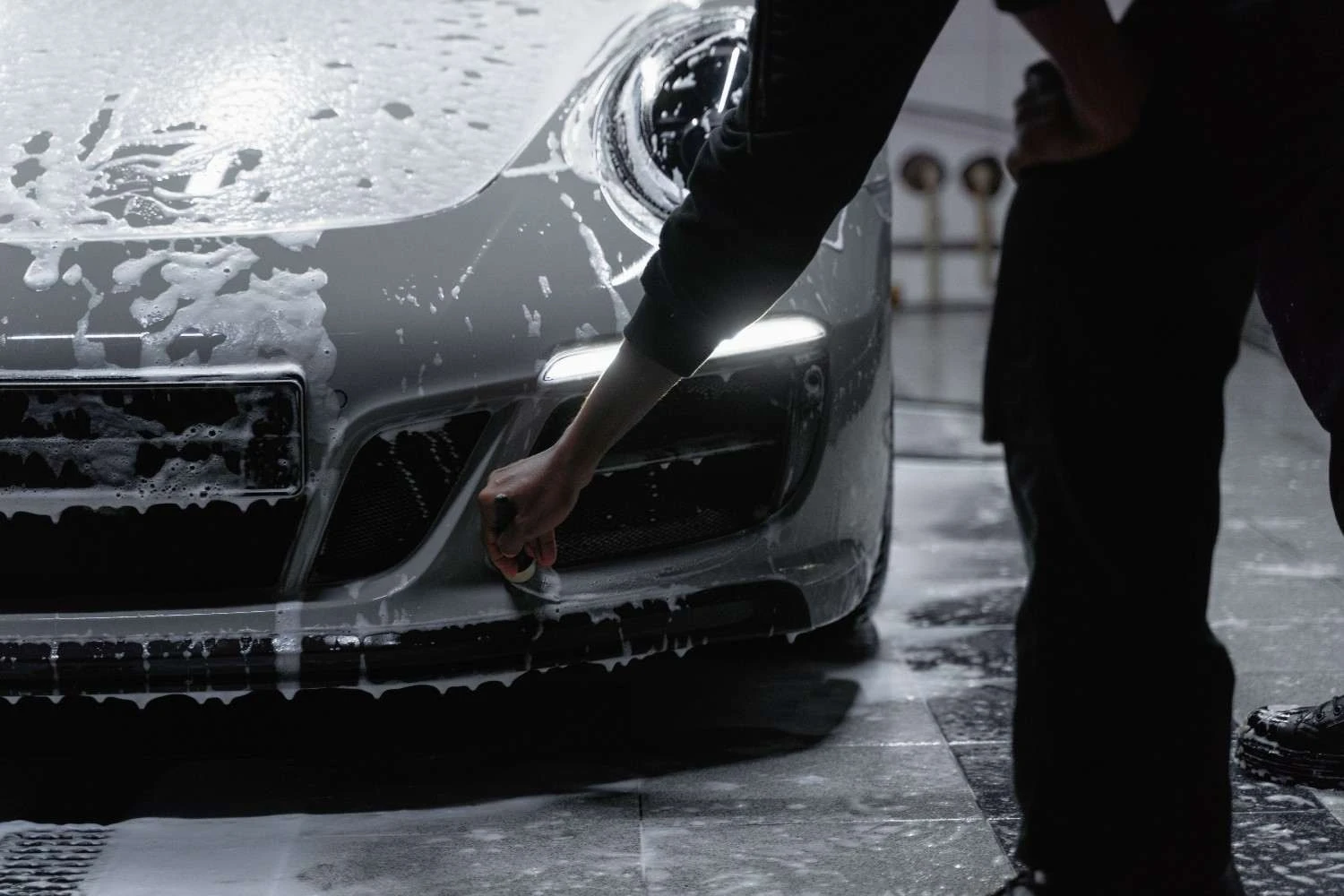
Professional post-repair paint care in San Diego starts with understanding that every accident repair and refinishing system can have different aftercare requirements. Avoid harsh automated washes, abrasive scrubbing, and unnecessary pressure while fresh paint and clear coat continue to cure.
At World Auto Body, we help restore vehicles after collision repair, auto body repair, and auto paint repair using professional refinishing methods and manufacturer-approved repair procedures. We can also help you understand the appropriate care routine for your newly repaired vehicle.
Whether your vehicle received a small panel repair or more extensive accident restoration, proper cleaning and maintenance can help preserve the paint finish and protect your investment.
Why Choose World Auto Body for Post-Repair Car Care?
Proper aftercare is an important part of protecting your vehicle after auto body repair. At World Auto Body, we don’t just restore your vehicle, we help you understand how to care for the repaired finish after it leaves our shop.
As an I-CAR Gold Class certified collision repair center, our technicians follow manufacturer-approved repair procedures and professional refinishing methods to restore your vehicle’s appearance and safety.
Our team provides:
- Professional Auto Body Repair for collision and exterior damage
- Auto Paint Repair and professional paint refinishing
- Collision Repair for minor and major accidents
- Guidance on caring for freshly repaired and newly painted surfaces
- Detailed repair inspections and quality checks
Whether you’ve had a dent repaired, a panel refinished, or extensive collision repair completed, following the right cleaning and maintenance routine can help maintain your vehicle’s appearance and protect its new car paint for years to come.

 How to Repair Rust on a Truck: Complete Rust Repair Guide
- August 23, 2026
 How Much Does Truck Frame Repair Cost?
- August 22, 2026


4 COMMENTS
Best Way to Protect New Car Paint | Paint Protection Guide
September 7, 2026, 8:52 am REPLY[…] your vehicle was recently repaired after an accident, follow the specific washing and maintenance instructions provided by your collision repair […]
Baton Rouge Auto Glass
September 9, 2026, 10:26 pm REPLYThere are a lot to consider such as how to properly clean, when to fix, when to replace a windshield. Great article on the details.
TUCSON AUTO GLASS CO.
September 18, 2026, 10:24 pm REPLYValuable info for anyone who has had a car accident and needs to know how to clean their car afterwards.
Auto Care Mechanic
October 6, 2026, 8:12 am REPLYThis is a very helpful guide because many vehicle owners focus on getting the body repair completed but overlook the importance of proper aftercare. Freshly repaired paint needs time to cure, and washing too soon or using strong chemicals, pressure washers, abrasive materials, or automatic car washes can potentially affect the finish. I especially like the reminder to follow the body shop’s specific instructions, since curing times can vary depending on the paint system and repair conditions. Once the recommended waiting period has passed, gentle hand washing with quality car-care products and soft microfiber towels can help preserve the repaired areas and keep the vehicle looking its best. Proper paint care after collision or auto body repair is a simple step that can make a big difference in maintaining both the appearance and value of a vehicle.