- June 21, 2026
- By WAB_DEV2
- In Blog, RV Body Repair Shops
- 626
- 0

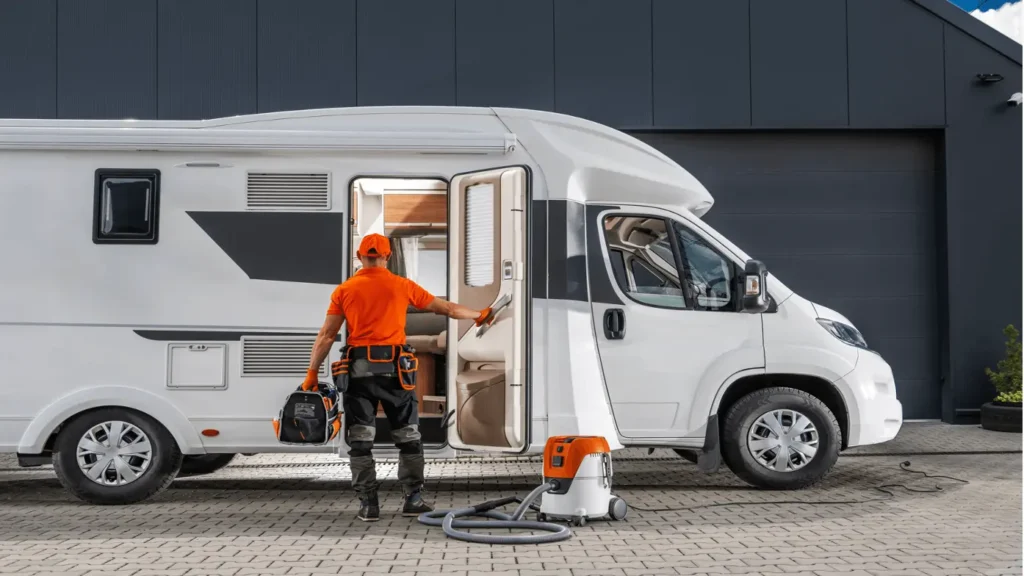
Finding a shop that can properly handle RV body repair is often harder than dealing with the damage itself. Many collision centers are equipped for passenger vehicles but lack the space, equipment, or material expertise required to repair large motorhomes, campers, travel trailers, and fifth wheels.
Whether you’re dealing with a parking lot scrape, RV collision repair, fiberglass cracking, sidewall damage, roof issues, or more extensive RV body damage, the first question is usually the same: Can this actually be repaired? In many cases, the answer is yes—but the repair process is very different from standard automotive bodywork.
In this guide, we’ll explain what RV body repair involves, which types of damage are commonly repairable, how repairs differ between RV classes, and what to expect when searching for a qualified repair facility in San Diego.
At World Auto Body, we work on more than passenger vehicles. We bring the same precision, repair standards, and attention to detail used in certified collision repair to motorhome body repair, camper body repair, and other large recreational vehicle repair projects.
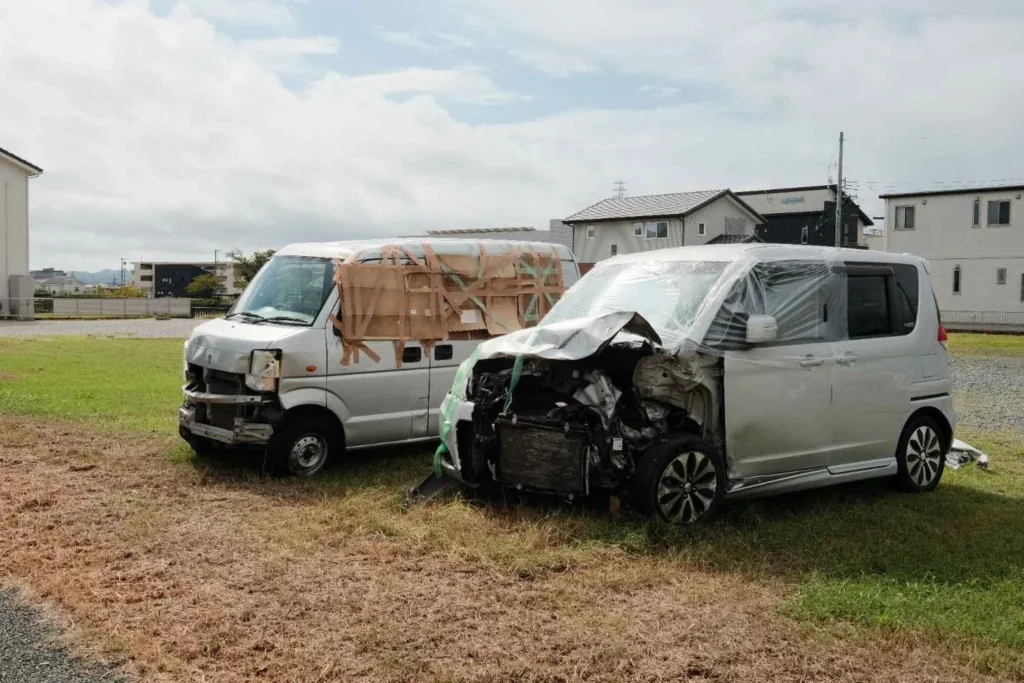
RV body repair is the process of restoring damaged exterior and structural components on motorhomes, campers, travel trailers, and other recreational vehicles. Repairs may include RV fiberglass repair, RV sidewall repair, roof repairs, panel replacement, dent removal, paint restoration, and structural corrections following an accident or impact.
Unlike standard automotive repairs, RVs often use fiberglass, aluminum, composite panels, and specialized framing systems that require different repair techniques. Their larger size, unique construction methods, and complex exterior surfaces make repairs more specialized than typical passenger vehicle bodywork.
Many forms of RV damage repair can be successfully restored when assessed and repaired by a shop equipped to handle large recreational vehicles and their unique materials.
Not all RV damage looks the same, and neither does the repair process. Recreational vehicles are exposed to hazards that passenger vehicles rarely encounter, including low-hanging branches, tight campground spaces, storage lot incidents, weather exposure, and long-distance travel. As a result, RV body repair often involves a mix of cosmetic, structural, and material-specific repairs.
RV Dent Repair
Dents can occur from minor impacts, parking incidents, road debris, or contact with fixed objects. While some dents affect only the outer surface, others can distort underlying support structures or create alignment issues in surrounding panels.
RV dent repair typically involves reshaping damaged areas, repairing panel distortion, and refinishing the affected section when necessary. The repair approach depends on the panel material, location, and severity of the impact.
RV Scratch Repair
Scratches are among the most common forms of RV exterior damage. Tree branches, storage facilities, narrow roadways, and campground obstacles can all leave visible marks on the vehicle’s surface.
Minor scratches may require polishing or refinishing, while deeper damage often requires sanding, repainting, and clear coat restoration. Proper color matching is especially important on larger RV surfaces where inconsistencies can be more noticeable.
RV Fiberglass Repair
Fiberglass is widely used on motorhomes, campers, and travel trailers because it is lightweight and durable. However, impacts can cause cracks, fractures, chips, and even delamination beneath the surface.
Fiberglass repairs often involve removing damaged material, rebuilding structural integrity, applying new fiberglass layers, and refinishing the repaired area. In some cases, what appears to be a simple surface crack may extend deeper into the panel structure, making proper inspection essential.
Because fiberglass panels are often large and highly visible, achieving a seamless repair requires careful surface preparation and professional refinishing techniques.
RV Sidewall Repair
Sidewall damage can result from collisions, backing accidents, campground obstacles, or prolonged exposure to moisture.
Repairs may involve correcting dents, replacing damaged sections, addressing water intrusion issues, or restoring structural support beneath the exterior skin. In severe cases, sidewall damage can affect the overall integrity of the RV and should be evaluated promptly.
RV Roof Repair
Roof damage often develops from tree strikes, falling debris, impact events, weather exposure, or neglected maintenance.
Small issues can quickly become larger problems if water penetrates the structure. Depending on the damage, repairs may involve sealing compromised areas, replacing damaged materials, restoring fiberglass components, or repairing structural sections beneath the roof surface.
Regular inspections help identify roof issues before they lead to costly secondary damage.
RV Panel Repair
Exterior panels can become damaged through collisions, road debris, or everyday wear and tear. Cracked, bent, or damaged panels not only affect appearance but may also expose underlying materials to moisture and environmental damage.
RV panel repair may involve reshaping, rebuilding, refinishing, or replacing damaged sections depending on the extent of the damage and the material involved.
RV Frame and Structural Repair
Structural damage is one of the most serious forms of RV body damage. It can occur during collisions, severe impacts, or incidents that place unusual stress on the vehicle’s frame.
Signs of structural damage may include alignment issues, uneven gaps, handling problems, or visible distortion in the vehicle’s body. Proper RV frame repair requires careful measurement, structural correction, and verification that the vehicle’s integrity has been restored.
Because the frame supports the entire structure of the RV, structural repairs should always be performed using proper equipment and repair procedures rather than temporary cosmetic fixes.
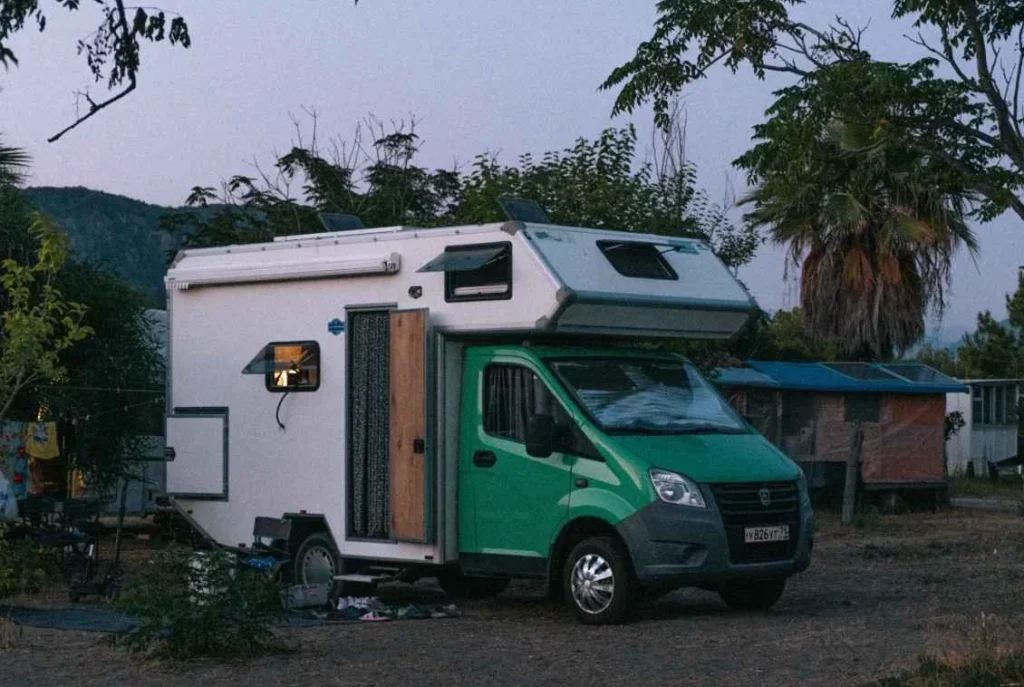
While the goal of every repair is the same, the repair process can vary significantly depending on the type of recreational vehicle involved. Different RV classes use different construction methods, materials, and structural designs, which directly affect how repairs are performed.
Class A motorhomes are among the largest recreational vehicles on the road. Their size, extensive fiberglass or aluminum body panels, and large sidewall sections can make repairs more complex than those on smaller vehicles.
Repairs often involve large panel restoration, fiberglass reconstruction, paint matching across wide surfaces, and structural corrections following collisions or sidewall impacts. Due to their scale, even minor damage may require specialized equipment and ample workspace.
Class B camper vans are built on traditional van platforms, making many repairs more similar to standard automotive bodywork. However, they often include custom exterior modifications, roof components, and specialized camper systems that require additional care during repairs.
Damage to doors, quarter panels, bumpers, and roof areas can typically be repaired using techniques similar to those used in collision repair for passenger vehicles, while still accounting for the vehicle’s unique camper conversion features.
Class C motorhomes combine a truck or van cab with a larger living area, creating unique repair considerations. The cab-over sleeping section found on many Class C models can be particularly vulnerable to impact damage and water intrusion.
Repairs often involve fiberglass restoration, front cap repairs, structural reinforcement, and exterior panel work. Proper alignment between the cab and coach sections is also important when repairing collision-related damage.
Travel trailers experience different stress forces than motorized RVs because they are towed rather than driven. Common repair needs include sidewall damage, rear-end impacts, frame stress, roof issues, and damage caused by backing incidents.
Travel trailer repair may involve exterior panel restoration, structural corrections, fiberglass work, and repairs around hitch and tongue components that experience significant towing loads.
Fifth wheels are designed with a specialized hitch system that places unique stress on the front section of the trailer. As a result, damage around the hitch connection area requires careful inspection and repair.
In addition to common sidewall and panel damage, fifth wheel repairs often involve structural evaluations, frame reinforcement, and restoration of large fiberglass front caps. Proper repair helps ensure the trailer maintains both structural integrity and towing stability.
A Class B camper van, a Class A motorhome, and a fifth wheel may all have visible exterior damage, but the repair strategy can be completely different for each vehicle. That’s why at World Auto Body every RV body repair begins with a thorough inspection. Understanding the vehicle’s construction, materials, and damage pattern allows us to develop a repair plan that addresses both visible issues and any underlying concerns that may not be immediately apparent.
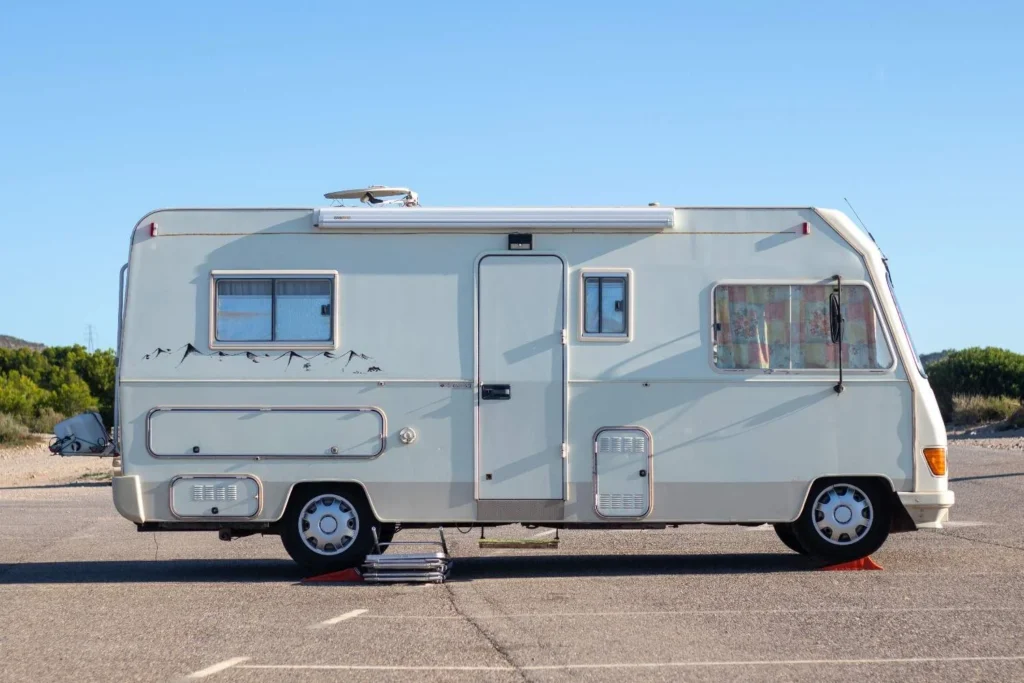
Not all RV repairs involve major accidents. Some repairs address purely cosmetic issues, while others require extensive structural evaluation and restoration. Understanding the difference helps RV owners set realistic expectations for repair scope, timelines, and potential insurance involvement.
Cosmetic damage affects the appearance of the RV without significantly impacting its structural integrity. Common examples include:
These repairs are often completed more quickly because they focus on restoring the vehicle’s appearance rather than correcting structural issues. Depending on the damage, repairs may involve refinishing, panel restoration, paint matching, or localized fiberglass work. While cosmetic damage may seem minor, addressing it early can help prevent moisture intrusion, corrosion, or further deterioration of exterior materials.
RV collision repair involves damage caused by impacts with vehicles, structures, fixed objects, or roadway obstacles. These incidents often affect more than what is visible on the surface.
A collision can damage:
Even relatively low-speed impacts can create hidden damage beneath exterior panels. For that reason, collision repairs typically begin with a more extensive assessment than cosmetic repairs.
Insurance involvement is often more common with collision-related repairs than with cosmetic damage.
Many RV owners choose to pay out of pocket for small scratches, minor dents, or isolated cosmetic issues. However, larger collision repairs involving structural damage, extensive panel replacement, or major restoration work are frequently handled through insurance claims.
A professional inspection can help determine the extent of the damage and provide the documentation needed when filing a claim.
Cosmetic repairs are generally faster because they involve fewer components and less disassembly. Collision repairs often require additional steps such as:
As a result, repair timelines can vary significantly depending on the severity and complexity of the damage.
RV body repair is not something every auto body shop can take on comfortably. The size of the vehicles alone creates logistical challenges, but the real complexity comes from materials, construction methods, and the level of precision required to restore them correctly.
Many collision centers are designed around passenger vehicles only. RVs, motorhomes, travel trailers, and fifth wheels are significantly larger and often require different repair procedures, materials, and workspace considerations. Large sidewall panels, fiberglass structures, roof sections, and oversized exterior components create challenges that aren’t typically encountered during standard automotive repairs. Shops that primarily handle cars may not have the capacity to perform these repairs efficiently.
Unlike most passenger vehicles, RVs often use combinations of:
Repairing these materials correctly requires different techniques than those used for traditional automotive steel panels. Proper restoration involves understanding how these materials behave, how damage spreads, and how repairs can be completed without compromising structural integrity or appearance.
World Auto Body bring the same disciplined repair approach used in our certified collision repair work to RV and motorhome projects.
That means focusing on:
Whether we’re repairing a passenger vehicle or an RV, our goal remains the same: restoring the vehicle correctly rather than simply covering up visible damage.
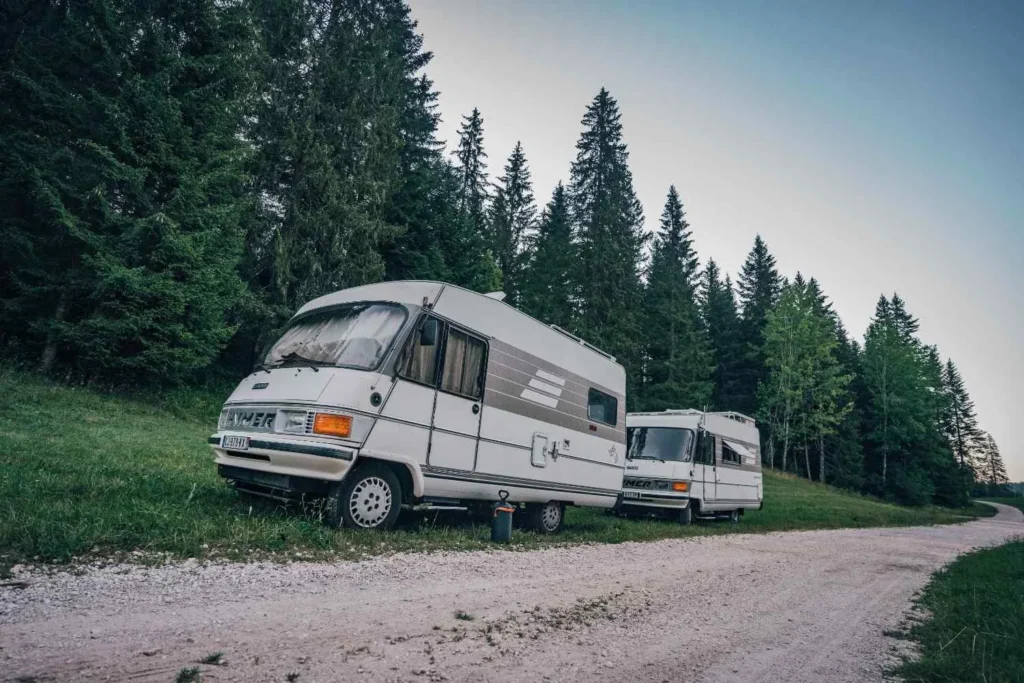
San Diego is one of the most RV-friendly regions in the country. From weekend trips to the desert and mountain campgrounds to extended coastal travel along Southern California, RVs, motorhomes, travel trailers, and campers are a common sight throughout the area. Because RVs spend significant time outdoors, even minor damage should be addressed before moisture and environmental exposure create larger problems.
San Diego’s climate is generally favorable for RV ownership, but coastal environments can still affect exterior materials over time.
Salt air, UV exposure, temperature fluctuations, and moisture can accelerate deterioration around damaged paint, fiberglass cracks, exposed seams, and compromised exterior surfaces. Prompt repairs help protect both the appearance and structural condition of the vehicle.
The size of the vehicle, construction methods, materials, and extent of damage all influence the repair process. That’s why many RV body repair projects require an in-person inspection before an accurate repair plan can be developed.
A proper assessment allows us to:
Many RV owners spend more time searching for a shop that will accept the job than they do researching the actual repair. Whether you’re dealing with fiberglass damage, a sidewall scrape, roof damage, or collision-related repairs, the first step is getting an accurate assessment from a team equipped to handle large recreational vehicles.
At World Auto Body, we evaluate the damage, explain your repair options, and provide a clear estimate so you can make an informed decision about your RV, motorhome, camper, travel trailer, or fifth wheel.
Schedule Your RV Body Repair Estimate and find out what’s possible before assuming the damage is beyond repair.
Many types of RV body damage can be repaired without replacing major components. Scratches, dents, fiberglass cracks, sidewall damage, and even some structural issues are often repairable. The decision between repair and replacement depends on the extent of the damage, the affected materials, and whether the damaged section can be restored safely and effectively.
RV body repair costs vary widely depending on the size of the vehicle, type of damage, materials involved, and labor requirements. Minor cosmetic repairs may cost a few hundred dollars, while extensive fiberglass reconstruction, structural repairs, or collision damage can cost significantly more. A professional inspection is the best way to determine an accurate repair estimate.
Yes. Many fiberglass cracks, chips, fractures, and localized damage areas can be repaired without replacing the entire panel. The repair process often involves rebuilding damaged fiberglass layers, restoring structural strength, and refinishing the surface to match the surrounding area. However, severe damage may require partial or full panel replacement.
In many cases, insurance covers RV collision damage when the loss falls within the terms of the policy. Coverage may apply to accidents, impacts, falling objects, weather events, and other covered incidents. Cosmetic wear, maintenance issues, or pre-existing damage are generally handled differently depending on policy terms and coverage levels.
Repair timelines depend on the complexity of the damage, availability of replacement parts, material requirements, and the size of the vehicle. Minor repairs may be completed relatively quickly, while extensive collision repairs, structural restoration, or large fiberglass projects can require additional time. A thorough inspection helps establish realistic expectations.
Many repair facilities are designed for passenger vehicles and may not have the space, equipment, or expertise needed for RV body repairs. Large vehicle dimensions, fiberglass construction, specialized materials, and extensive repair requirements can make RV projects more demanding than standard automotive repairs.
It can. While some cosmetic damage remains largely unchanged, scratches and surface damage can expose underlying materials to moisture and environmental conditions. Over time, this may contribute to additional deterioration, paint failure, or more extensive repairs than would have been required initially.
When searching for an RV body shop near you, look for a facility that is willing to inspect large recreational vehicles, explain repair options clearly, and has experience working with fiberglass, aluminum, sidewalls, roofs, and structural components. A thorough inspection and transparent estimate are often the best indicators of a professional repair process.
Many types of RV body damage—from fiberglass cracks and sidewall damage to dents, scratches, and collision repairs—can often be repaired successfully with the right equipment and expertise.
The key is working with a shop that understands large recreational vehicles, specialized materials, and proper repair procedures. At World Auto Body, we apply the same quality standards and attention to detail used in our collision repair work to every RV repair project.
If your RV, motorhome, camper, travel trailer, or fifth wheel has been damaged, schedule an inspection to explore your repair options.
Contact World Auto Body today to request your RV body repair estimate.


LEAVE A COMMENT