- 688
- 0

Insurance Claim Assistance After a Car Accident in San Diego
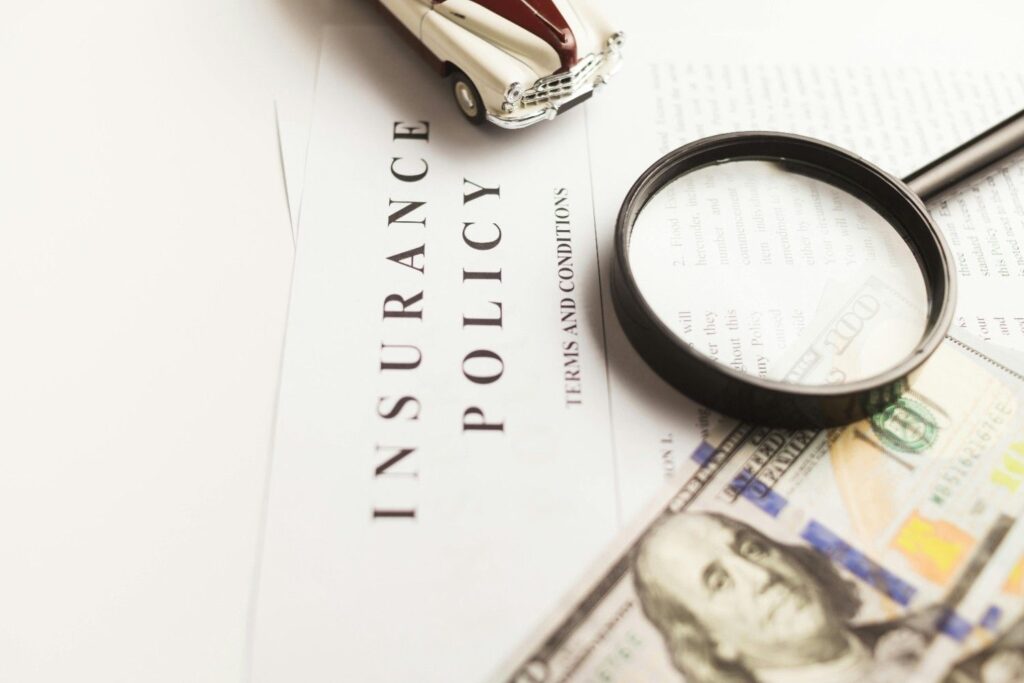
Whether you just got rear-ended on the I-5 or woke up to find a shopping cart dented your door in a Miramar parking lot, two things happen almost immediately: the stress sets in, and the questions start. How do you file a claim? Who do you call first, is it your insurance or the body shop? Will the insurance payout actually cover the repair you need?
At World Auto Body, we’ve walked thousands of San Diego drivers through this exact process. As an I-CAR Gold Class certified collision repair center, certified directly by Nissan, Kia, Volvo, Infiniti, Genesis, and Hyundai, we don’t just fix cars. We help our customers understand every step of the insurance claim process so they’re never left guessing. This guide covers everything: how to file, what to expect, where things go wrong, and how to protect yourself from a settlement that doesn’t go far enough.
What Is Insurance Claim Assistance?
Insurance claim assistance refers to the support a body shop provides to help customers navigate the claims process after a vehicle is damaged. This can include helping you document damage accurately, preparing a professional repair estimate, communicating with insurance adjusters, and ensuring the final settlement reflects the true cost of restoring your vehicle to pre-accident condition.
That last part matters more than most drivers realize. Insurance adjusters work on behalf of the insurer, their job is to settle claims efficiently, which doesn’t always align with getting your car repaired to the standard it deserves. A professionally documented estimate from a certified collision repair facility carries far more weight in the claims process than a photograph taken at the scene. It gives you a factual, defensible baseline for what the repair actually requires.
When your vehicle is certified for repair by the same manufacturers that built it (Hyundai, Kia, Genesis, Nissan, Infiniti, Volvo) that documentation carries additional authority. It signals to adjusters and insurers that the repair will be performed according to manufacturer-approved procedures, using the materials and techniques the carmaker specifies. That’s not something every shop can offer.
The Insurance Claim Process, Step by Step
Understanding how the process works before you’re in the middle of it is the single most effective way to protect yourself after an accident. Here’s how it typically unfolds, and where we come in.
Step 1: Document Everything at the Scene
Before a car moves, before calls are made, documents are needed. Photograph the damage from every angle, capture the positions of the vehicles, note road conditions, and collect contact and insurance information from all parties involved. If there are witnesses, get their information too. This documentation forms the foundation of your claim, and gaps in it can complicate the process significantly.
Step 2: Notify Your Insurance Company
You’re generally required to report an accident to your insurer promptly, even if you plan to file through the other driver’s policy. When you call, stick to the facts: where, when, and what happened. You are not required to speculate about fault or give a recorded statement without preparation. Know your rights before that first call.
Step 3: Get an Independent Estimate from a Certified Shop
This is the step most San Diego drivers skip and it’s often the most important one. Your insurer will send an adjuster or direct you to a preferred repair facility. That estimate may be accurate, or it may undervalue the repair by cutting scope, specifying aftermarket parts, or missing damage that isn’t visible without disassembly.
Getting your own written estimate from a certified collision center gives you an independent, professionally documented baseline. We provide free estimates at every World Auto Body location,no appointment pressure, no obligation. The estimate alone gives you leverage.
Step 4: Understand Your Coverage
Two types of coverage apply to most post-accident scenarios. Collision coverage applies when your vehicle is damaged in an accident, regardless of fault. Comprehensive coverage applies to non-collision events like vandalism, hail, falling objects, flood. Neither typically covers wear and tear, UV paint fade, or elective cosmetic work.
Your deductible is the out-of-pocket amount you’re responsible for before coverage kicks in. We offer deductible assistance programs for qualifying customers — ask our team about this when you come in for your estimate.
Step 5: Choose Your Repair Facility
In California, you have the legal right to choose where your vehicle is repaired. Your insurer cannot require you to use a specific shop, though they may recommend one. That recommendation is not a mandate.
Choosing a shop certified by your vehicle’s manufacturer matters. Our certifications from Nissan, Kia, Volvo, Infiniti, Genesis, and Hyundai mean we repair those vehicles according to the procedures and material specifications those manufacturers require, not a generic approximation of them. When an insurer reviews our estimate, they’re looking at a document backed by OEM-level authority.
Step 6: Repair and Final Inspection
Once coverage is confirmed and the repair order is signed, our I-CAR Gold Class-trained technicians begin the restoration process. I-CAR Gold Class is the collision repair industry’s highest standard for technician training, it means our team is current on the latest repair methods, safety system procedures, and structural repair techniques.
Before your vehicle leaves our facility, it goes through a detailed quality inspection. We don’t release a car until the repair meets the standard the manufacturer expects.
What Can Go Wrong With an Insurance Claim
Most insurance claim complications fall into a handful of predictable patterns. Knowing them in advance helps you avoid them.
The Estimate Doesn’t Cover the Full Repair
Initial insurance estimates are often written before the vehicle is disassembled. Once the damaged panels come off, additional damage is frequently discovered, crushed structural components, bent brackets, damaged wiring, or frame issues that weren’t visible externally. This is called a supplement, and it’s common.
Reputable shops handle supplements directly with the insurer and don’t ask you to absorb those costs out of pocket. Make sure you understand your shop’s supplement process before you agree to repairs.
Aftermarket Parts Are Specified Instead of OEM
Some insurance estimates specify aftermarket or recycled parts to reduce the settlement cost. For a vehicle still under manufacturer warranty, or for any Nissan, Kia, Volvo, Infiniti, Genesis, or Hyundai we’re certified to repair, we will clearly communicate to you and the insurer if aftermarket parts are being proposed and what the difference in quality and fit means for your specific vehicle.
The Shop Doesn’t Use Manufacturer-Approved Procedures
Modern vehicles, especially those with advanced driver assistance systems (ADAS), high-strength steel structures, and computerized safety systems, require precise, manufacturer-specified repair procedures. A shop that isn’t certified by the manufacturer may not have access to those procedures, the required equipment, or the training to perform the repair correctly.
This isn’t an abstract concern. An improperly repaired structural component or an ADAS sensor that isn’t recalibrated correctly can affect how your vehicle performs in the next accident. Certification matters, not as a marketing credential, but as a functional guarantee that the repair is done right.
You Accept a Settlement Before the Full Damage Is Known
Do not sign a final release with your insurer until the repair is complete and all damage has been identified and addressed. A final release typically closes your claim, any damage discovered after signing may not be covered. Let the repair process run its course before you agree to a final settlement figure.
How Deductible Assistance Works
Out-of-pocket costs are one of the biggest pain points for drivers navigating a claim. Your deductible can feel like punishment for an accident that wasn’t your fault.
We offer deductible assistance programs for qualifying customers. Ask our service team about current options when you come in for your free estimate. We’ll walk you through what’s available and help you understand how it applies to your specific situation.
Does Your Location in San Diego Affect Your Claim?
California has strong consumer protections for drivers navigating insurance claims, and San Diego drivers should know them. You have the right to choose your own repair shop. You have the right to a repair that restores your vehicle to its pre-loss condition. You have the right to dispute a settlement you believe is inadequate.
San Diego’s driving environment, dense freeway traffic on the 163, 805, and 15; crowded surface streets in Mission Valley, Downtown, and North County, means collision frequency is high and repair volume in our shops reflects the full range of what San Diego drivers face. We see everything from minor parking lot dents to significant structural damage from freeway accidents. The claims process looks different depending on severity, and our team has handled it all.
We have four locations across the San Diego area (Miramar, Encinitas, Escondido, and El Cajon) specifically to make the process as convenient as possible for drivers throughout the county.
When the Insurance Payout Doesn’t Reflect a Quality Repair
If an insurer’s estimate comes in below what a proper repair requires, you have options. First: get a written estimate from a certified facility. That document, especially one from a shop holding direct certifications from the manufacturer of your vehicle, allows giving you a professional, independent basis for disputing the insurer’s number.
Second: understand that the insurer’s estimate is an opening position, not a final verdict. Certified shops communicate with adjusters routinely and are experienced in supporting supplement claims with the documentation required to get them approved.
Third: if a dispute escalates, California’s Department of Insurance provides a claims dispute process. Most disputes, however, are resolved before that point when supported by thorough documentation from a certified facility.
A free estimate from World Auto Body gives you that documentation. It costs you nothing. It gives you a professionally prepared, itemized repair plan that serves as your baseline for every conversation that follows.
Why Certification Changes Everything in the Claims Process
We’ve mentioned our manufacturer certifications throughout this guide (Nissan, Kia, Volvo, Infiniti, Genesis, Hyundai), and the I-CAR Gold Class designation. It’s worth being direct about what those credentials mean in the context of an insurance claim.
An insurance adjuster reviewing a repair estimate from a certified facility is looking at a document that carries manufacturer authority. When we specify a repair procedure, that procedure is the one the automaker requires. When we specify materials, those are the materials the OEM specifies for that vehicle’s finish system, structural integrity, or safety component. That specificity is harder to dispute and harder to shortchange.
For drivers whose vehicles fall under one of our manufacturer certifications, this is a meaningful advantage. It means the repair isn’t just professionally done, it’s done to a documented, verifiable standard that the manufacturer itself endorses.
For every vehicle we repair, the I-CAR Gold Class standard ensures our technicians are trained on current procedures. Automotive repair technology changes constantly, high-strength steel alloys, aluminum structures, embedded sensors, ADAS calibration, and staying current isn’t optional for a shop that takes quality seriously.
What to Bring When You Come In for Your Free Estimate
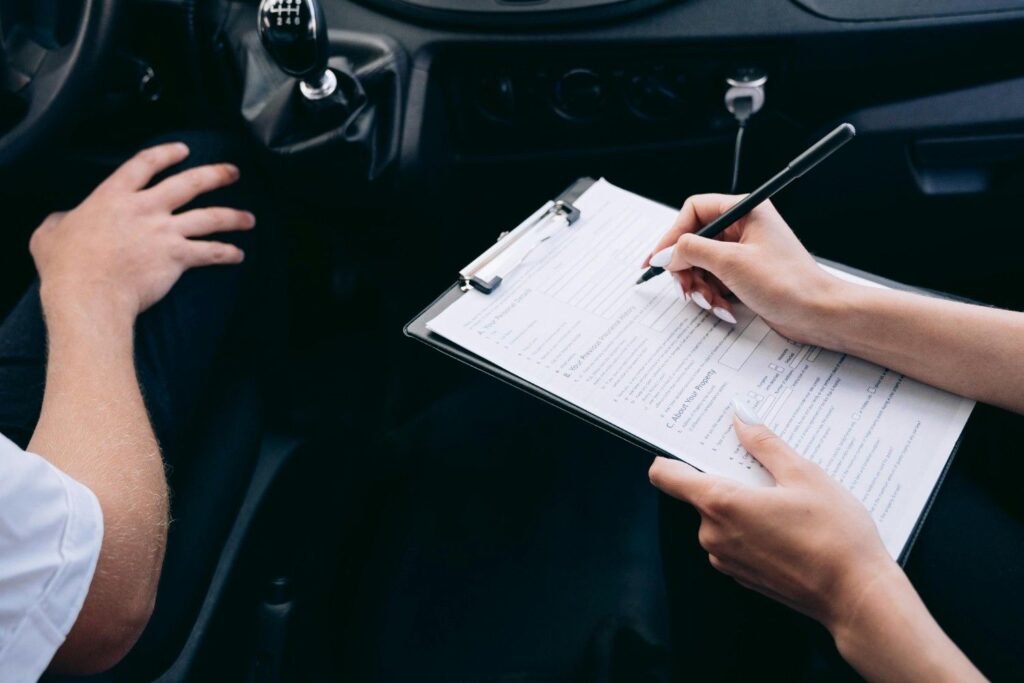
To make the most of your free estimate appointment, bring the following:
Your insurance information, including the claim number if you’ve already filed. Photos of the damage, including any you took at the scene. Your vehicle identification number (VIN), typically found on the driver’s side dashboard or door jamb. Any documentation you’ve received from the insurer, including their preliminary estimate if one has been issued.
You don’t need to have all of this to get an estimate, we can work with what you have. But the more information you bring, the more complete and useful your estimate will be as a tool for your claim.
File a Claim or Pay Out of Pocket
The decision depends on the cost of the repair relative to your deductible, the potential impact on your insurance rates, and whether the accident involved another party.
For minor damage like a small scratch, a door ding, where the repair cost is close to or below your deductible, paying out of pocket may be the more economical choice. For anything involving structural components, safety systems, or significant panel damage, filing a claim almost always makes sense. The cost of under repaired structural or safety-related damage isn’t visible at first, it shows up in the next accident.
A free estimate from our team gives you an accurate number so you can make that decision with real information, not guesswork. We’re not here to push you toward a repair you don’t need. We’re here to give you an honest assessment of what your vehicle requires and let you decide from there.
Frequently Asked Questions
What are the four types of claims in insurance?
The four most common types of auto insurance claims are collision claims, comprehensive claims, liability claims, and uninsured or underinsured motorist claims. Collision claims involve accident-related damage to your vehicle. Comprehensive claims cover non-collision damage like theft, vandalism, hail, or falling objects. Liability claims apply when you’re responsible for damage to another driver’s vehicle or injuries. Uninsured motorist claims help protect you if the other driver has little or no insurance coverage.
Is it worth claiming on your car insurance?
It depends on the extent of the damage, your deductible, and the potential impact on future premiums. For minor cosmetic damage that costs close to your deductible, paying out of pocket may make more financial sense. For larger repairs involving structural damage, safety systems, or multiple panels, filing a claim is usually the better option because repair costs can quickly exceed what most drivers expect.
What not to say in an insurance claim?
Avoid admitting fault, speculating about what happened, exaggerating damage, or making assumptions before the full inspection is complete. Stick to clear factual details about the accident, including time, location, and visible damage. It’s also important not to agree to a final settlement before a certified repair facility fully evaluates the vehicle for hidden damage.
What’s the biggest mistake people often make when dealing with an insurance claim?
One of the biggest mistakes is accepting the first estimate without getting an independent inspection from a certified collision repair center. Initial estimates are often written before disassembly, meaning hidden structural damage, sensor issues, or frame problems may not be included. Another common mistake is signing a final release before all damage is identified and properly repaired.
What are the 7 rules of insurance?
While insurance policies vary, several core principles guide most insurance claims:
- Act in good faith and provide accurate information
- Report claims promptly
- Document all damage carefully
- Understand your policy coverage and deductible
- Mitigate further damage when possible
- Cooperate with inspections and repair evaluations
- Keep detailed records of communication and repair documentation
Following these principles helps create a smoother and more successful claims process.
What are the most common claim denial reasons?
Claims are commonly denied because of policy exclusions, missed payment issues, lack of coverage, delayed reporting, insufficient documentation, or disputes over how the damage occurred. In some cases, insurers may also deny portions of a repair if they believe the damage existed before the accident or if supporting documentation is incomplete.
What do insurance companies not want you to know?
Many drivers don’t realize they have the legal right to choose their own repair facility in California. Insurance companies may recommend preferred shops, but the final decision belongs to you. Drivers should also know that initial estimates are not always final, and supplements are common once hidden damage is uncovered during repairs.
How to make a successful insurance claim?
The strongest insurance claims are built on documentation and professional repair evaluations. After an accident:
- Take clear photos of all damage
- Gather witness and insurance information
- Report the accident promptly
- Get an independent estimate from a certified collision repair center
- Keep records of all communication with the insurer
A detailed estimate from an I-CAR Gold Class certified facility provides strong documentation that supports the true cost of proper repairs.
What are the two main reasons for denying a claim?
The two most common reasons are lack of coverage and insufficient documentation. If the policy doesn’t include the type of damage being claimed, the insurer may deny coverage. Claims can also be denied if there isn’t enough evidence connecting the damage to the reported accident or if required information is missing.
Conclusion
The insurance claim process after a car accident is stressful by design but there are multiple parties involved, deadlines to meet, and financial decisions to make while you’re still processing what happened. Having a certified, experienced repair facility on your side changes the dynamic entirely.
At World Auto Body, our I-CAR Gold Class certified technicians and our direct manufacturer certifications mean you’re not just getting a repair estimate. You’re getting a professionally prepared document from a facility the manufacturer trusts, backed by technicians trained to the industry’s highest standard.
Your first step doesn’t cost anything. Schedule a free estimate at any of our four San Diego area locations, and let us walk you through what your vehicle needs and what your claim should cover. No pressure. No obligation. Just honest information from people who know how to get your car back on track. Visit us at worldautobody.com or call the location nearest you to get started.

 How to Repair Rust on a Truck: Complete Rust Repair Guide
- August 23, 2026
 How Much Does Truck Frame Repair Cost?
- August 22, 2026


LEAVE A COMMENT