- June 22, 2026
- By WAB_DEV2
- In Uncategorized
- 928
- 0


A mechanic repair estimate is often the first thing drivers look at when deciding whether to move forward with a repair. Yet for many vehicle owners, the estimate itself can feel confusing. Labor charges, parts pricing, diagnostic fees, and repair recommendations are listed on the page, but it’s not always clear what they mean or whether the final number is fair. The uncertainty usually isn’t about the repair itself. It’s about trust. Drivers want to know whether the estimate is accurate, whether the recommended repairs are necessary, and why one shop’s quote can look completely different from another’s.
In this guide, we’ll break down exactly how a mechanic repair estimate is created, what should be included in a written estimate, why prices vary between repair facilities, and how to evaluate an estimate with confidence before approving any work.
At World Auto Body, we create repair estimates every day for a wide range of vehicles and repair needs. Our estimates are built using manufacturer-approved procedures, professional inspections, and real diagnostic findings, not generic pricing calculators or rough guesses.

A mechanic repair estimate is a written document that outlines the expected cost of diagnosing and repairing a vehicle. It typically includes labor costs, parts costs, inspection findings, recommended repairs, and any additional services needed to restore the vehicle properly.
A proper estimate should do more than provide a price. It should explain what was found during the inspection, why repairs are recommended, and how the total cost was calculated. The best estimates help vehicle owners understand exactly what they’re paying for before any work begins.
Not all estimates are created equally. Some consist of a single number and a brief description, while others provide a detailed breakdown of the vehicle’s condition, recommended repairs, labor requirements, and parts pricing. A quality mechanic repair estimate should explain where the cost of the mechanic repair comes from rather than simply presenting a final total.
Every accurate estimate starts with an inspection. Because without a proper diagnosis, any estimate is simply an educated guess.
At World Auto Body, before recommending repairs, our trained technicians must identify the underlying issue and determine what is actually causing the problem. Depending on the concern, this may involve a vehicle inspection, diagnostic testing, visual assessment, or a more in-depth repair evaluation.
Labor costs represent the time required to perform the repair.
Repair facilities calculate labor using established labor guides, technician experience, equipment requirements, and local market conditions. Labor rates can vary significantly between regions and repair facilities, which is one reason estimates often differ from shop to shop.
A thorough estimate should clearly identify labor operations rather than grouping everything into a single charge.
Parts are often one of the largest components of a repair estimate.
The final price can vary based on whether the repair uses:
At our certified auto repair shop, estimates frequently account for manufacturer-approved parts and procedures to help ensure compatibility, performance, and long-term reliability.
One area that often causes confusion is the difference between recommended repairs and required repairs.
Required repairs address the immediate issue affecting the vehicle’s safety, reliability, or functionality. While the recommended repairs may address wear, maintenance concerns, or related issues that are not currently causing a failure but may require attention in the future.
A trustworthy estimate should clearly distinguish between the two so customers can make informed decisions.
| Estimate Line Item | What It Means | Why It Varies |
|---|---|---|
| Diagnostic Inspection | Time spent identifying the issue | Complexity of diagnosis and testing required |
| Labor Costs | Technician time needed for repairs | Labor rates, repair difficulty, and vehicle type |
| Parts Costs | Components needed for the repair | OEM vs. aftermarket parts and availability |
| Repair Recommendations | Additional suggested services | Vehicle condition and maintenance history |
| Shop Supplies | Materials used during repairs | Type of repair being performed |
| Taxes and Fees | Applicable local charges | State and local regulations |
The best estimates provide enough information for a customer to understand what is being repaired and why. If an estimate contains vague descriptions such as “repair vehicle” or “general service” without supporting details, it becomes difficult to evaluate the work being proposed.
A detailed repair estimate creates transparency. It allows customers to compare quotes intelligently, ask informed questions, and feel confident that the recommended repairs are based on actual findings rather than assumptions.
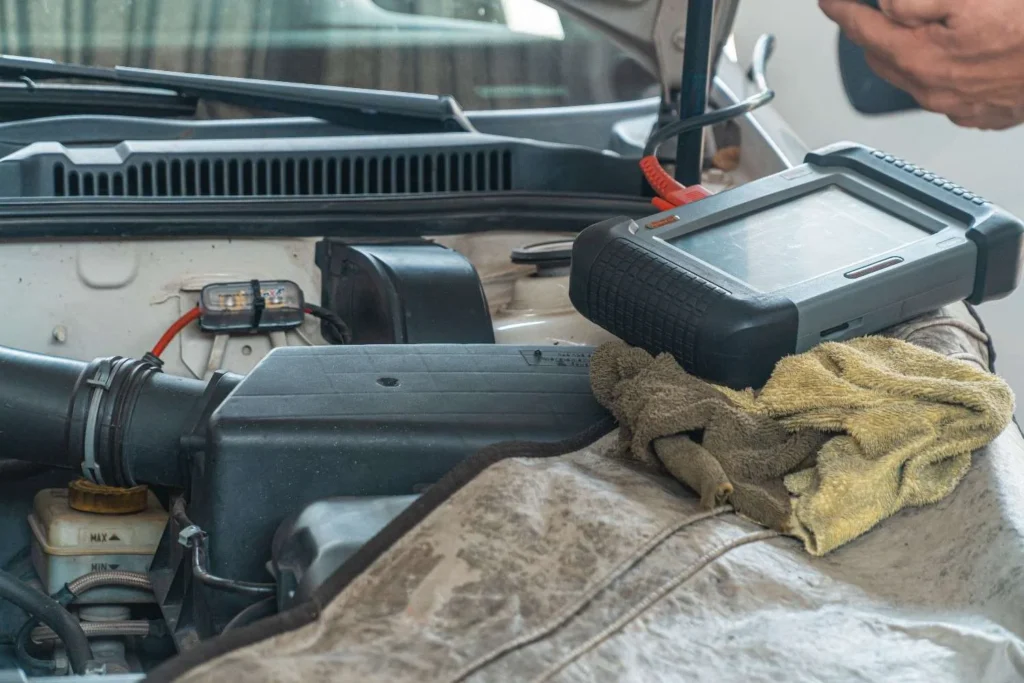
A mechanic repair estimate is not just a quick price. It follows a clear process to identify the issue, confirm what repairs are needed, and calculate accurate costs before any work starts.
We start by inspecting the vehicle and running any needed diagnostic tests. This may include a road test, computer scan, or mechanical inspection to find the real cause of the problem. Depending on the issue, this may involve road testing, computerized diagnostic testing, mechanical inspections, or a combination of several diagnostic procedures.
Next, we record everything we find, including test results, visual notes, measurements, photos, and repair recommendations. This ensures nothing is missed and everything is traceable. Proper documentation creates a clear record of what was discovered during the repair assessment and supports the recommendations included in the estimate.
We then create a detailed estimate showing required repairs, labor time, parts needed, pricing, taxes, and any additional recommendations. This is where the full cost is clearly outlined and provides transparency and gives customers a clear understanding of how the total cost was calculated..
Before any work begins, we go over the estimate with you so you can ask questions, understand the diagnosis, and review your options.
Nothing moves forward without your approval. Once the estimate has been reviewed, the customer decides whether to approve the repairs. This approval serves as authorization for the shop to begin the work outlined in the estimate.
After approval, our trained and certified technicians begin the repair process using the procedures outlined in the estimate. If we find additional issues during the repair, we document them, explain the situation, and get your approval before doing any extra work. This communication process helps prevent unexpected surprises when the final invoice is presented.
This process ensures transparency, accuracy, and control. You know exactly what’s being repaired, why it’s needed, and how the cost is built, before anything begins. A well-documented estimate is often one of the strongest indicators that a repair facility values accuracy, communication, and accountability.
It’s common to see very different prices for what looks like the same repair. This doesn’t always mean someone is wrong. It usually means the estimates were built differently.
The type of parts used has a big impact on price:
OEM parts usually cost more but follow manufacturer standards. Aftermarket or used parts can lower the price but may differ in quality, fit, or warranty.
Labor pricing varies by shop based on experience, tools, training, and overhead. Shops using advanced diagnostic equipment and certified repair procedures often have higher labor rates than budget-focused shops. This reflects structure, not necessarily quality.
Some shops perform a full diagnostic inspection, while others rely on a quick visual check. A more detailed inspection may reveal hidden issues, leading to a higher but more accurate estimate. Lower quotes can sometimes miss underlying problems.
Certified shops follow manufacturer repair guidelines, including:
Generic estimates may not include these steps, which can change pricing significantly.
A proper estimate should always be explainable line by line.
The lowest estimate isn’t always the best, and the highest isn’t automatically the most accurate. What matters is clarity, documentation, and whether the estimate reflects a complete and honest assessment of the vehicle.
A mechanical repair estimate is only as accurate as the information behind it. That’s why two shops can look at the same vehicle and produce different results. The difference usually comes down to how deeply the vehicle is inspected, what data is used, and how the estimate is built.
Certified technicians work from manufacturer repair information, structured labor guides, and OEM parts data. This reduces guesswork and makes the estimate reflect the real repair requirements instead of assumptions.
Accurate estimates depend heavily on proper diagnostics. By which, a full inspection can reveal issues that aren’t obvious at first, especially in modern vehicles with sensors, modules, and electronic systems. Without this step, estimates can easily miss underlying problems.
Even with a detailed process, some issues only appear after disassembly. That’s why professional shops document everything and always get approval before any additional work is done.
A reliable mechanic repair estimate should always include:
In San Diego, everyday driving conditions as freeways, coastal air, tight parking, and stop-and-go traffic can all affect vehicle wear and repair needs. That’s why in-person inspections are essential.
Quick online quotes often miss important details, while a proper shop evaluation ensures the estimate reflects the real condition of the vehicle.
A professional estimate process should always feel structured:
At World Auto Body, we follow this process to make sure every estimate is clear, documented, and based on real findings—not guesswork.
A trustworthy mechanic repair estimate should give you clarity, not confusion. The goal is not just to show a price, but to clearly explain what’s wrong, what it takes to fix it, and why the cost is what it is.
At World Auto Body, we provide written estimates built from real inspections and diagnostic findings. We take time to break down labor, parts, and repair recommendations so you know exactly what you’re approving before any work begins.
There’s no pressure and no guesswork, just a clear, documented repair plan based on your vehicle’s actual condition. If you want a mechanic repair estimate you can confidently rely on, we’re here to help.
Contact us and request your free repair estimate today.
A repair estimate is a written breakdown of the expected cost to diagnose and fix a vehicle. It includes labor, parts, and diagnostic findings. A proper estimate should explain what is wrong with the vehicle and how the repair cost was calculated, not just provide a single total price.
An auto repair estimate is written by first inspecting or diagnosing the vehicle, identifying required repairs, and then listing labor operations, parts needed, and associated costs. It should also include repair recommendations and documentation of findings so the customer can understand exactly what they are paying for before approving any work.
Mechanic rates vary depending on location, vehicle type, and shop certification level. In general, labor rates reflect technician experience, diagnostic equipment, and overhead costs. Certified shops with manufacturer-level procedures may charge higher rates, but they typically include more detailed diagnostics and more precise repair planning.
The most expensive repairs usually involve major engine components, transmission systems, or advanced electronic and safety systems. On modern vehicles, sensor calibration and complex diagnostic systems can also significantly increase repair costs due to specialized tools and labor requirements.
A repair estimate is a pre-approval document that outlines expected costs before work begins. A repair order is created after approval and authorizes the shop to perform the repairs. The estimate is informational, while the repair order is the official instruction to proceed with work.
We provide ranges because final repair costs can change based on hidden issues discovered during inspection, parts availability, and the exact condition of the vehicle once disassembly begins. A range helps set realistic expectations while still reflecting the most accurate diagnostic information available at the time.
A maintenance and repair estimate combines both routine service costs and necessary repair work. Maintenance includes scheduled services like oil changes or inspections, while repair estimates focus on fixing identified mechanical or structural issues. Both are itemized to help customers understand total vehicle care costs.
Estimate pricing is typically guaranteed for a limited period, depending on parts pricing and labor rate stability. Once approved, the estimate remains valid for the agreed scope of work, but changes may occur if additional issues are discovered during repairs or if parts prices change unexpectedly before approval.
Not all repairs are automatically covered under an estimate. The estimate only includes the issues identified during the inspection or diagnostic process. If additional problems are discovered later, they are documented separately and discussed with the customer before any further work is performed.
A mechanic repair estimate is only useful when it’s clear, detailed, and based on real diagnostics, not guesswork. Transparency and documentation are what separate a confusing quote from a trustworthy one.
When you understand how estimates are built: labor, parts, diagnostics, and recommendations, you can make more confident repair decisions.
At World Auto Body, we write estimates based on what we actually find on the vehicle, using manufacturer-aligned procedures and clear communication to avoid surprises later.
If you need a second opinion or a clear written estimate, we’re here to help.


LEAVE A COMMENT