- April 2, 2026
- By WAB_DEV2
- In Repainting
- 8097
- 0

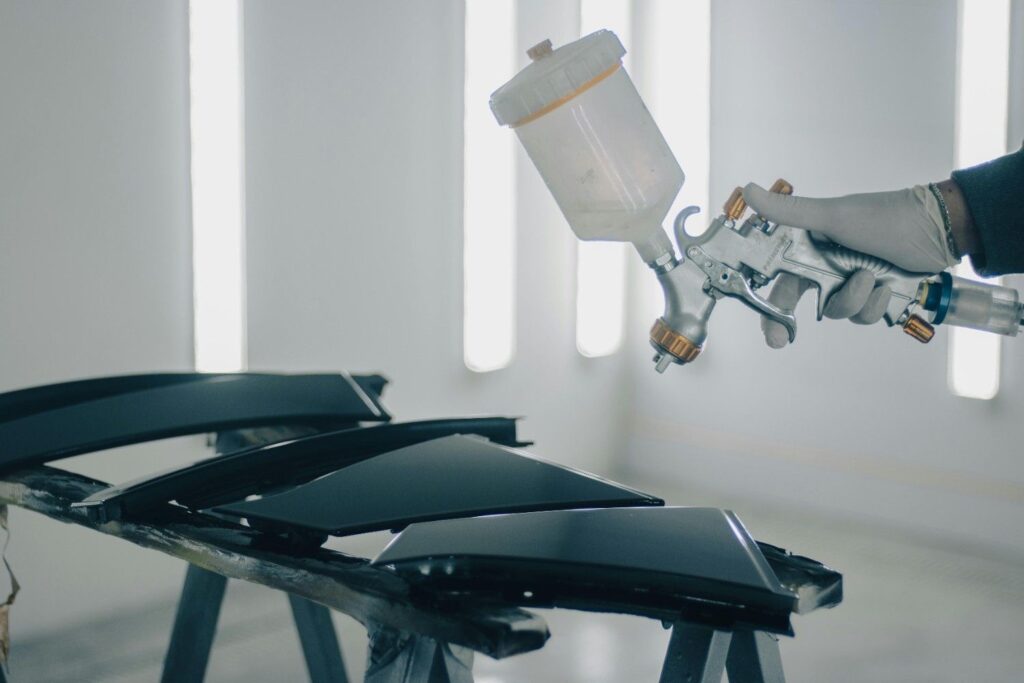
When customers ask us this question, they’re usually looking for a clear, honest number, not vague ranges or confusing estimates.
Here’s the reality:
Painting a car can cost anywhere from $1,000 to $10,000+, depending on the quality, prep work, and the type of shop you choose. In San Diego, most drivers typically pay between $3,000 and $6,500 for a professional, long-lasting paint job.
But that’s just the surface.
In our experience working with drivers across San Diego, the biggest mistake people make is assuming all paint jobs are the same; they’re not. Two quotes can differ by thousands of dollars because of what happens before the paint even touches your car.
In this guide, we’ll break down:
If you’re trying to figure out whether to repaint your car or just want a realistic estimate before getting quotes, this will give you the clarity most shops don’t.
The cost to paint a car typically ranges from $1,000 to $10,000+, depending on the quality of work, materials used, and the condition of the vehicle.
In San Diego, most drivers pay between $3,000 and $6,500 for a quality, long-lasting repaint done by a professional auto body shop.
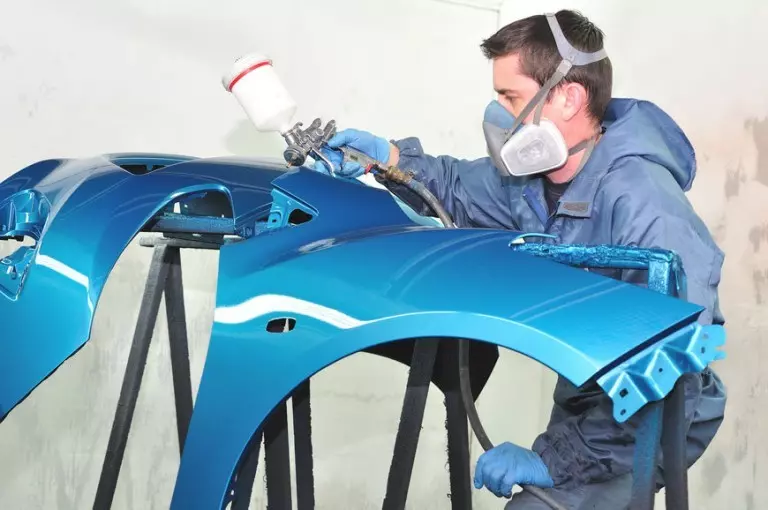
The biggest cost factors include:
Repainting your car is usually worth it if:
It may not be worth it if the car’s value is lower than the cost of the paint job.
One of the biggest misconceptions we see is this:
Most people think they’re paying for paint.
In reality, you’re paying for preparation and labor.
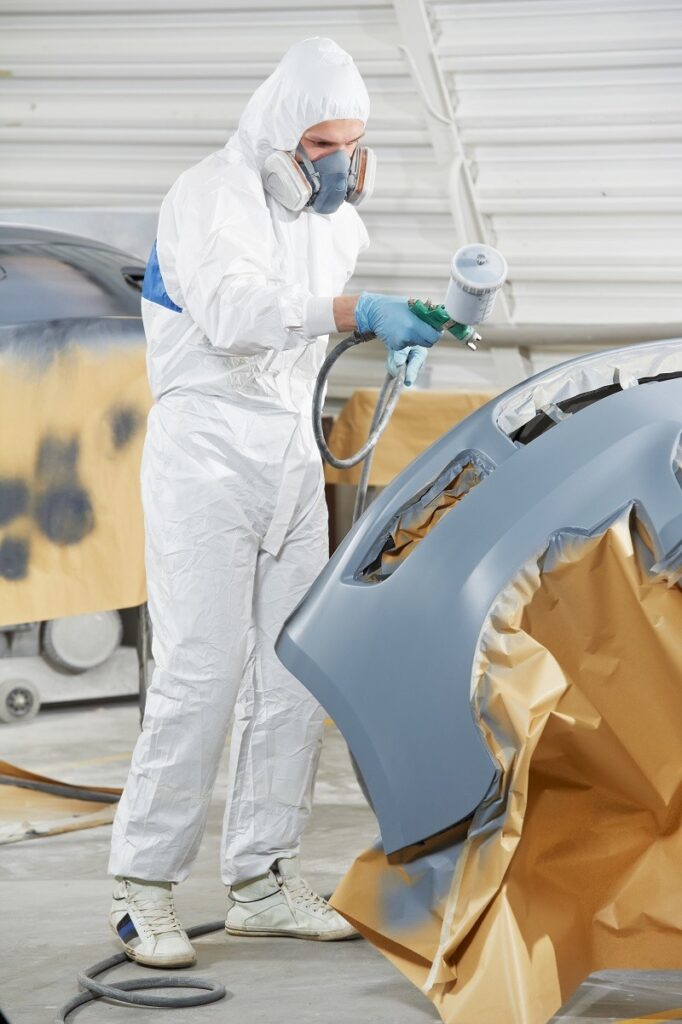
A high-quality paint job is not just spraying color on your car. It’s a detailed, multi-step process that determines how your car will look months and years later, not just the day you pick it up.
Preparation is the most important part of the entire process.
Before any paint is applied, we typically:
If this step is rushed or skipped, the final result will look uneven, peel early, or fail completely.
This is why two quotes can be drastically different.
A cheaper shop often cuts corners here.
For a proper paint job, certain parts of the vehicle may need to be removed or carefully masked, including:
If this is not done correctly, you’ll see overspray, rough edges, or paint lines around components.
Once the surface is prepped, we apply:
Higher-quality jobs use better materials and apply multiple layers for depth and consistency.
The clear coat is what gives your car:
Low-cost jobs often use thin or low-quality clear coats, which is why they fade quickly, especially under strong sun exposure like we see in San Diego.
After painting, the vehicle goes through:
This step ensures the finish looks smooth, reflective, and factory-level.
Not all paint jobs are created equal.
When customers ask us for pricing, the first thing we clarify is this:
What level of finish are you expecting?
Because the difference between a $1,000 job and a $7,000 job is not just price. It’s durability, appearance, and how long it actually lasts.
Here’s a realistic breakdown based on what we see daily in San Diego.
This is the lowest-cost option and usually offered by high-volume or chain shops.
What you get:
What it looks like:
How long it lasts:
Best for:
What to watch out for:
In San Diego’s sun and coastal conditions, these paint jobs tend to fade faster due to UV exposure and salt air.
This is what most of our customers are actually looking for.
What you get:
What it looks like:
How long it lasts:
Best for:
San Diego Insight:
This is the sweet spot for most drivers here. It balances cost, durability, and protection against sun damage.
This is premium-level work, often done for show cars or full restorations.
What you get:
What it looks like:
How long it lasts:
Best for:
| Paint Type | Cost Range | Quality Level | Lifespan | Best Use |
|---|---|---|---|---|
| Budget | $500 to $1,500 | Low | 1 to 3 years | Temporary fix |
| Mid-Range | $2,500 to $6,000 | High | 5 to 10 years | Daily drivers |
| Premium | $7,000 to $15,000+ | Very High | 10+ years | Show or restoration |
Two shops quoting the same price can still deliver completely different results.
The difference usually comes down to:
That’s why we always recommend looking beyond the number and asking what’s included in the process.
If you’ve ever received multiple quotes for a paint job, you’ve probably noticed how widely prices can vary.
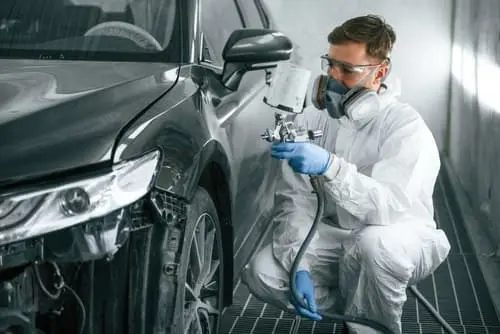
That’s because the cost is not fixed. It depends on several key factors that directly impact the time, materials, and level of work required.
Here’s what actually drives the price.
This is the biggest cost factor.
If your vehicle has:
Then additional repair work is required before painting even begins.
What this means for cost:
In our experience, cars that need bodywork can increase the total cost by 30% to 50% or more.
Larger vehicles require more materials and more labor.
Why:
More surface area means:
Not all paint is the same.
You’ll typically see:
Impact on price:
Higher-quality paint systems can significantly increase cost, but they also last longer and look better over time.
Repainting your car the same color is always more affordable.
Changing the color requires:
Result:
A full color change can increase the cost by 20% to 40% or more.
Prep work is where most of the time goes.
Higher-end jobs include:
Lower-cost jobs often skip or rush these steps.
This is one of the main reasons cheaper paint jobs fail quickly.
Where you go matters.
In a market like San Diego, pricing can also reflect:
Labor rates in San Diego are higher than many other areas, which directly impacts pricing.
But there’s also another factor many people overlook:
Environmental exposure
This makes higher-quality paint jobs more important locally, even if they cost more upfront.
Faster jobs are usually cheaper, but that often means:
A proper paint job typically takes:
This is one of the most important questions we get, especially after customers see the price.
The honest answer is:
Repainting a car is worth it in some cases, and not worth it in others.
It depends on your goals, your car’s condition, and how long you plan to keep it.
In our experience, repainting makes sense when:
If you’re keeping your vehicle for several years, a quality paint job can:
You’re not just paying for looks, you’re protecting the car.
If your car has:
Repainting can prevent deeper damage that becomes much more expensive to fix later.
Repainting is often worth it for:
In these cases, restoring the finish makes a real difference.
A professional repaint can make your car look:
This is very different from quick cosmetic fixes or detailing.
There are also situations where repainting does not make financial sense.
If your car is worth $3,000 and the paint job costs $5,000, it’s usually not a good investment.
In most cases, you won’t recover that cost if you sell the car.
If the engine, transmission, or structure has problems, it’s better to fix those first.
Cosmetic work should come after the car is mechanically sound.
While a fresh paint job can improve appearance, it typically only increases resale value by a small percentage.
Most buyers care more about:
Many customers ask us whether they should wrap the car instead.
Here’s a quick comparison:
| Option | Cost | Lifespan | Finish Quality |
|---|---|---|---|
| Paint | $3,000 to $10,000+ | 5 to 10+ years | Permanent, high-quality |
| Wrap | $1,500 to $4,000 | 3 to 5 years | Good, but not equal to paint |
Wraps are a good temporary option, especially for color changes.
But they don’t offer the same durability or long-term value as a professional paint job.
If your goal is long-term quality and protection, repainting is usually the better choice.
If your goal is short-term appearance or budget flexibility, a wrap may make more sense.
After working with hundreds of vehicles, we’ve seen the same mistakes over and over again when it comes to car paint jobs.
Most of them come down to misunderstanding what really matters.
Here are the key insights we wish every car owner knew before getting a quote.
We’ve had many customers come to us after getting a low-cost paint job elsewhere.
At first, it looked fine. But within months, they started noticing:
Fixing a bad paint job often requires stripping and repainting the entire vehicle, which ends up costing more than doing it right the first time.
If there’s one thing that determines the outcome, it’s this:
The final result depends on how well the car is prepared before painting.
Skipping or rushing prep leads to:
This is where experienced shops invest the most time, even though it’s the part customers never see.
Some shops offer “quick paint” services designed to:
There’s nothing wrong with that, as long as expectations are clear.
The problem happens when customers expect a long-lasting, factory-quality finish from a budget-level job.
Matching your car’s existing color is not as simple as using a paint code.
Factors like:
Can affect how the new paint blends with the rest of the car.
That’s why proper blending techniques are critical, especially for partial repaints.
In San Diego, we see paint deterioration faster than many other areas because of:
This makes it even more important to choose:
Cutting corners here shows up quickly.
Many people think repainting is just about appearance.
In reality, it also:
A failing paint job can eventually turn into structural damage if ignored.
We understand why people search for pricing online.
But here’s the truth:
No accurate estimate can be given without seeing the vehicle.
Two cars that look similar can have completely different needs once inspected closely.
Many drivers wait too long before repainting their car.
By the time they decide to fix it, what could have been a straightforward paint job turns into body repair, rust treatment, and much higher costs.
Here are the key signs we tell our customers to watch for.
This is one of the most common issues we see.
You’ll notice:
Once the clear coat fails, the underlying paint is exposed and begins to deteriorate faster.
At this stage, polishing will not fix the issue. Repainting is usually required.
In sunny areas like San Diego, UV exposure breaks down paint over time.
Signs include:
If caught early, detailing may help.
If severe, repainting is the only way to restore the finish.
Rust is not just cosmetic. It spreads.
Early signs:
If addressed early, rust can be treated before repainting.
If ignored, it can lead to structural damage and much higher repair costs.
Surface scratches can often be polished out.
But deeper damage that goes through the paint layer will:
Repainting damaged panels helps protect the vehicle and maintain its condition.
If your car has been in an accident and repairs were done poorly, you may notice:
A proper repaint or blending process restores a uniform, factory-like finish.
Sometimes, it’s not about damage.
You may simply want:
In these cases, repainting can completely change how your car looks and feels.
Even if repainting doesn’t fully return its cost, poor paint condition can:
A well-done paint job can improve first impressions significantly.
At some point, research stops being helpful and the next step is getting clarity on your specific car.
Here’s when we recommend taking action.
Even a quick inspection can give you a much more accurate picture than anything online.
Delaying often leads to higher costs later, especially when rust or deeper damage is involved.
When we evaluate a vehicle, we look at:
From there, we provide a realistic range and recommendation, not just a number.
In San Diego, we always advise acting sooner rather than later because:
A small issue today can turn into a much bigger repair within months.
Most drivers in San Diego pay between $3,000 and $6,500 for a professional paint job, depending on the vehicle and level of prep required.
Repainting the same color is usually cheaper, typically ranging from $2,500 to $6,000, since it requires less disassembly and prep.
A full color change can cost $4,000 to $10,000+, because it involves painting additional areas like door jambs, engine bay edges, and trim.
Wrapping is usually cheaper upfront, costing around $1,500 to $4,000, but it doesn’t last as long as paint and doesn’t provide the same level of finish or protection.
Proper care can extend these timelines.
Most professional paint jobs take anywhere from a few days to a couple of weeks, depending on the level of work required.
Yes, but proper blending is required to match the existing paint. This is commonly done for:
Painting a car is not a one-size-fits-all service.
The cost depends on:
While prices can range from $1,000 to $10,000+, most drivers in San Diego will fall somewhere in the $3,000 to $6,500 range for a result that actually lasts.
The key takeaway is simple:
You’re not just paying for paint. You’re paying for the process, the protection, and the long-term outcome.
If you’re in San Diego and want a clear, honest assessment, we’re here to help.
At World Auto Body, we take the time to evaluate your vehicle properly and guide you toward the right solution, whether that’s a full repaint, partial repair, or a more cost-effective alternative.
Reach out to us for an estimate and we’ll walk you through exactly what your car needs and what it will realistically cost.


LEAVE A COMMENT